10 Essential Japanese Sauces for Restaurants: A Complete Guide for Food Service Buyers
- Share
- Issue Time
- Aug 13,2026
Summary
Discover 10 essential Japanese sauces for restaurants, from teriyaki and yakiniku to donburi, unagi, tonkatsu and sashimi soy sauce. Learn applications and B2B sourcing tips.
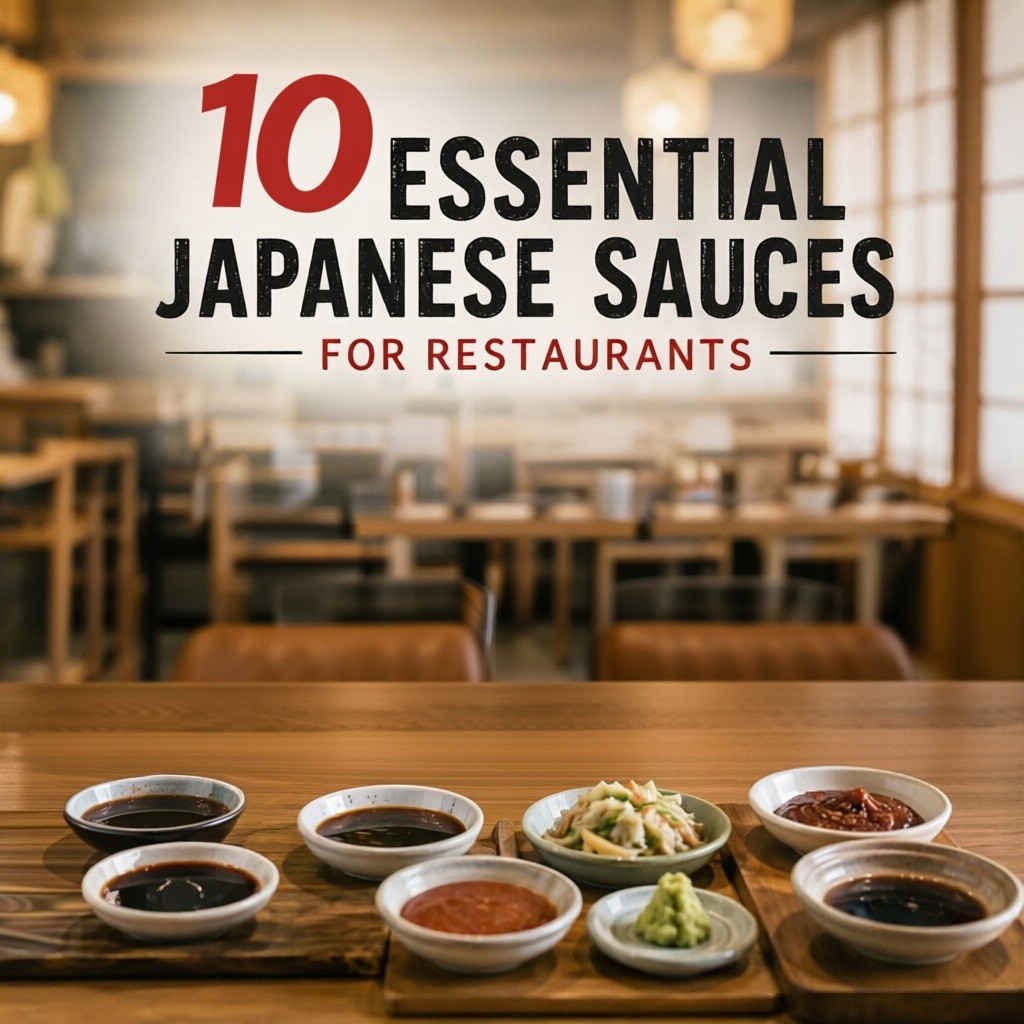
Japanese cuisine has become a major part of the global food service market. From sushi and ramen to yakitori, yakiniku, katsu, and donburi, restaurants increasingly need a versatile selection of Japanese sauces to create authentic flavors while maintaining consistency across every dish.
For restaurant chains, food service distributors, central kitchens, food manufacturers, and private-label brands, choosing the right sauces is about more than flavor. The right sauce supplier can also help simplify kitchen operations, standardize recipes, reduce preparation time, and develop customized products for different markets.
So, what are the essential Japanese sauces that restaurants should consider?
In this guide, we introduce 10 important Japanese sauce categories and explain their typical applications, flavor profiles, and commercial uses. We also look at how an experienced OEM/ODM manufacturer such as Yinghok can help food businesses develop customized Japanese sauce solutions.
1. Teriyaki Sauce
Best for: Chicken, beef, seafood, grilled vegetables, rice bowls, and fusion dishes
Teriyaki sauce is one of the most recognizable Japanese-style sauces in international food service.
Its characteristic profile combines sweetness, saltiness, umami, and a rich sauce aroma, often creating a glossy coating when used for grilling or glazing. Yinghok describes its teriyaki sauce as suitable for grilling meats, seafood, and other ingredients, as well as for Japanese and Asian fusion dishes.
Common Restaurant Applications
· Teriyaki chicken
· Teriyaki beef
· Teriyaki salmon
· Chicken rice bowls
· Grilled vegetables
· Japanese burgers
· Asian fusion dishes
For restaurant chains, teriyaki sauce is particularly useful because one standardized formula can support multiple menu items.
What B2B Buyers Should Consider
When sourcing wholesale teriyaki sauce, restaurants should evaluate:
· Sweetness level
· Saltiness
· Viscosity
· Glazing performance
· Color
· Stability during cooking
· Packaging size
For halal-focused food businesses, Yinghok also provides a Halal-certified teriyaki sauce option.
2. Yakiniku Sauce
Best for: Japanese BBQ, grilled beef, pork, chicken, and dipping
Yakiniku means Japanese-style grilled meat, and yakiniku sauce is an essential condiment for restaurants serving Japanese BBQ.
Compared with teriyaki sauce, yakiniku sauce is generally designed specifically to complement grilled meat. It can be used as a dipping sauce, marinade, or finishing sauce.
Yinghok's Yakiniku Sauce is positioned for grilled and pan-fried meats and is available for restaurant and retail applications.
Common Restaurant Applications
· Japanese BBQ restaurants
· Beef yakiniku
· Pork yakiniku
· Chicken BBQ
· Grilled seafood
· Korean-Japanese fusion BBQ
· Meat dipping stations
Why It Matters for Restaurants
A standardized yakiniku sauce allows restaurant operators to deliver a consistent flavor even when different employees prepare the same dish.
For large chains, this can help reduce recipe variation and simplify kitchen training.
3. Yakitori Sauce
Best for: Grilled chicken skewers and other grilled meats
Yakitori is one of Japan's most recognizable street-food and restaurant dishes. The sauce used during grilling plays an important role in developing its characteristic savory and aromatic flavor.
Yinghok's Yakitori Sauce is formulated as a pre-mixed seasoning for poultry and meat. The product can be applied before grilling to help ingredients absorb flavor during preparation.
Common Applications
· Chicken skewers
· Chicken wings
· Chicken thighs
· Duck
· Grilled meat skewers
· Japanese BBQ menus
For food service operators, ready-to-use yakitori sauce can simplify preparation and help staff reproduce the same flavor profile across multiple locations.
4. Tonkatsu Sauce
Best for: Pork cutlets, chicken katsu, fried foods, and rice bowls
Tonkatsu sauce is a thick Japanese-style sauce traditionally associated with breaded and fried pork cutlets.
Its flavor is typically sweet, tangy, savory, and aromatic, making it particularly effective for balancing the richness of fried foods.
Yinghok's Tonkatsu Sauce is designed specifically for pork cutlets and can also be used with grilled meats and rice bowl applications.
Common Restaurant Applications
· Tonkatsu
· Chicken katsu
· Katsu curry
· Katsu sandwiches
· Fried shrimp
· Croquettes
· Rice bowls
Why Restaurants Like Tonkatsu Sauce
Its thick consistency allows the sauce to remain on the surface of fried foods instead of running off quickly.
This makes it particularly useful for:
· Dine-in plating
· Takeout meals
· Bento boxes
· Ready-to-eat meals
5. Unagi Sauce
Best for: Grilled eel, seafood, rice bowls, grilled meats, and glazing
Unagi sauce is closely associated with Japanese grilled eel dishes.
It typically provides a rich, sweet-savory flavor and is commonly used to season and glaze grilled eel.
Yinghok's Unagi Sauce is formulated for eel dishes but can also be used for grilled meats, seafood, pan-fried dishes, braised foods, and rice-based applications.
Common Applications
· Unagi don
· Grilled eel
· Seafood rice bowls
· Grilled chicken
· Roasted seafood
· Char siu-style dishes
· Braised meats
A Versatile Restaurant Sauce
Although its name is associated with eel, unagi sauce can have broader commercial applications.
Restaurants can use it as:
· A glaze
· A finishing sauce
· A dipping sauce
· A braising ingredient
· A rice bowl topping
This makes it a useful addition to menus that need a rich Japanese-style sweet-savory flavor.
6. Donburi Sauce
Best for: Japanese rice bowls
Donburi refers to Japanese rice bowl dishes, and donburi sauce is designed to bring together the rice and toppings with a balanced savory-sweet flavor.
Yinghok's Beef Bowl Sauce is specifically positioned as a donburi sauce for gyudon and restaurant applications. The product is available in a wide range of food service and bulk packaging formats.
Common Applications
· Gyudon
· Chicken donburi
· Beef rice bowls
· Katsu bowls
· Japanese fast-food rice bowls
· Ready-to-eat rice meals
Donburi Sauce vs. Teriyaki Sauce
These two sauces are often confused.
Donburi sauce:
Designed primarily to season rice bowls and balance rice with meat or other toppings.
Teriyaki sauce:
Designed primarily for glazing, grilling, and coating meat or seafood.
A restaurant can use both sauces in the same menu, but they serve different culinary purposes.
Yinghok's custom rice bowl sauce range includes Japanese Beef Bowl (Donburi) Sauce alongside other customized rice bowl solutions.
7. Sashimi Soy Sauce
Best for: Sashimi, sushi, raw seafood, tofu, and cold dishes
Soy sauce is fundamental to Japanese cuisine, but restaurants often need different soy sauce formulations for different applications.
Sashimi soy sauce is specifically formulated for raw foods such as sashimi and raw fish. Yinghok describes its sashimi soy sauce as having a mild, mellow flavor, moderate saltiness, rich umami, and a light soy aroma, allowing the natural flavor of seafood to remain prominent.
Common Applications
· Sashimi
· Sushi
· Raw fish
· Tofu
· Cold dishes
· Steamed egg
· Dipping sauces
For sushi restaurants, choosing a soy sauce specifically designed for raw seafood can provide a different eating experience from using a general-purpose cooking soy sauce.
Yinghok also offers a Halal sashimi soy sauce option for businesses serving halal-compliant menus.
8. Takoyaki Sauce
Best for: Takoyaki, Japanese street food, fried snacks, and fusion dishes
Takoyaki sauce is a thick, savory-sweet Japanese-style sauce commonly associated with takoyaki.
It is particularly useful for restaurants and food service businesses operating Japanese street-food concepts.
Common Applications
· Takoyaki
· Okonomiyaki-style dishes
· Fried snacks
· Japanese street food
· Fusion appetizers
· Fried seafood
For commercial kitchens, a ready-to-use takoyaki sauce helps standardize flavor and simplify preparation during high-volume service.
Yinghok's broader custom Meat & BBQ Sauce portfolio includes takoyaki, teriyaki, yakitori, and other Japanese-style sauces for restaurant and food service applications.
9. Udon & Noodle Sauce
Best for: Udon, yakisoba, stir-fried noodles, and dry noodles
Japanese noodle dishes require sauces with different flavor and viscosity characteristics from dipping or meat sauces.
Yinghok's Custom Noodle Sauces & Bases category includes products such as Yakisoba Sauce, Udon Sauce, Beef Soup, and Spicy Noodle Dressing, targeting noodle shops, instant noodle manufacturers, street-food businesses, and takeout meal operations.
Common Applications
· Udon
· Yakisoba
· Stir-fried noodles
· Dry noodles
· Takeout noodle meals
· Instant noodle production
Why Customization Matters
Commercial noodle manufacturers may need different:
· Salt levels
· Sweetness
· Spiciness
· Umami intensity
· Viscosity
· Dilution ratios
A custom noodle sauce allows the manufacturer to create a more distinctive flavor profile instead of relying on a generic commercial formula.
10. Japanese-Style Ponzu Sauce
Best for: Seafood, salads, hot pot, grilled foods, and dipping
Ponzu is a popular Japanese-style citrus-seasoned condiment known for its refreshing acidity and savory flavor.
It can provide a lighter alternative to sweeter and thicker sauces such as teriyaki or unagi sauce.
Yinghok's Custom Salad & Kimchi Sauce range includes Japanese-style and ponzu sauce solutions, alongside salad dressings and other customized products.
Common Applications
· Sashimi
· Seafood
· Japanese hot pot
· Grilled meat
· Cold salads
· Vegetables
· Dumpling-style dipping
· Tofu
For restaurants looking to offer lighter-tasting Japanese dishes, ponzu can be an important part of the sauce portfolio.
Japanese Sauce Selection Guide for Restaurants
Different restaurant concepts require different sauce combinations.
| Restaurant Concept | Recommended Japanese Sauces |
Sushi Restaurant | Sashimi Soy Sauce, Ponzu |
Ramen Restaurant | Noodle Sauces & Bases, Japanese Seasonings |
Japanese BBQ | Yakiniku Sauce, Teriyaki Sauce |
| Yakitori Restaurant | Yakitori Sauce, Teriyaki Sauce |
Tonkatsu Restaurant | Tonkatsu Sauce, Donburi Sauce |
| Donburi Restaurant | Donburi Sauce, Unagi Sauce, Teriyaki Sauce |
| Japanese Street Food | Takoyaki Sauce, Yakitori Sauce |
Asian Fusion Restaurant | Teriyaki, Yakiniku, Ponzu, Unagi |
Food Factory | Custom Noodle Sauces, Rice Bowl Sauces, Meat & BBQ Sauces |
Retail Brand | Private Label Teriyaki, Yakiniku, Tonkatsu, Unagi and other Japanese sauces |
What Should B2B Buyers Look for in a Japanese Sauce Supplier?
Choosing 10 sauces for a restaurant menu is only the first step. For commercial buyers, the supplier behind those sauces is equally important.
Formula Customization
Different markets have different preferences for:
· Sweetness
· Saltiness
· Acidity
· Spiciness
· Aroma
· Color
· Viscosity
A professional OEM manufacturer should be able to adjust formulas according to your menu and target market.
Yinghok's Japanese seasoning and Asian sauce programs support customized flavor profiles and private-label solutions.
Consistent Batch Quality
Restaurant chains cannot afford major flavor differences between production batches.
A reliable supplier should maintain consistent:
· Flavor
· Color
· Texture
· Aroma
· Raw material specifications
This is particularly important when sauces are distributed to multiple restaurant locations.
Flexible Packaging
Different customers require different packaging formats.
Yinghok's product portfolio includes packaging options ranging from retail-size bottles to larger food-service and bulk formats, depending on the sauce category.
For B2B buyers, packaging can be customized according to:
· Restaurant use
· Food service distribution
· Supermarket retail
· Private label
· Industrial production
Food Safety & Compliance
International buyers should also evaluate a supplier's food safety system and documentation.
Yinghok's Japanese seasoning portfolio lists HACCP, FDA, BRC, Halal, and other compliance capabilities, supporting food service, supermarket, grocery, and factory applications.
For buyers serving halal markets, dedicated Halal versions are also available for selected sauces such as teriyaki, yakitori, unagi, and sashimi soy sauce.
Why Choose Yinghok for Custom Japanese Sauces?
Yinghok specializes in OEM/ODM Asian sauces and Japanese seasonings for restaurants, food service businesses, distributors, retailers, and food manufacturers.
Its current product portfolio covers multiple sauce categories, including:
· Custom Rice Bowl Sauces
· Custom Meat & BBQ Sauces
· Custom Noodle Sauces & Bases
· Custom Sushi Sauces
· Custom Japanese Seasonings
· Custom Simmering Sauces
This allows B2B customers to source multiple Japanese-style products from one manufacturing partner rather than managing numerous sauce suppliers.
Yinghok also states that it has more than 20 years of Japanese flavor development and food production experience, with OEM/ODM, private-label, customization, and wholesale capabilities.
Build a Complete Japanese Sauce Portfolio With One Supplier
For a Japanese restaurant, the goal is not simply to purchase one popular sauce.
A well-planned sauce portfolio can cover the entire menu:
Sushi → Sashimi Soy Sauce
Grilled Chicken → Yakitori Sauce
Japanese BBQ → Yakiniku Sauce
Grilled Meat → Teriyaki Sauce
Eel → Unagi Sauce
Tonkatsu → Tonkatsu Sauce
Rice Bowls → Donburi Sauce
Takoyaki → Takoyaki Sauce
Noodles → Udon/Yakisoba Sauce
Seafood & Cold Dishes → Ponzu
This approach can simplify procurement while giving restaurant operators more flexibility to develop and standardize their menus.
Conclusion
Japanese cuisine uses a wide variety of sauces, and each one has a specific role.
The 10 essential Japanese sauces for restaurants include:
1.Teriyaki Sauce – grilling and glazing
2.Yakiniku Sauce – Japanese BBQ and grilled meat
3.Yakitori Sauce – chicken skewers and grilled meat
4.Tonkatsu Sauce – pork cutlets and fried foods
5.Unagi Sauce – eel, seafood, and rich glazes
6.Donburi Sauce – Japanese rice bowls
7.Sashimi Soy Sauce – sushi, sashimi, and cold dishes
8.Takoyaki Sauce – Japanese street food
9.Udon & Noodle Sauce – Japanese noodle dishes
10.Ponzu Sauce – seafood, salads, dipping, and lighter dishes
For restaurant chains and food businesses, the best sauce supplier should provide more than ready-made products. Consistent quality, flexible formulation, private-label packaging, food safety compliance, and scalable wholesale production are essential for long-term growth.
With a broad range of custom Asian sauces and Japanese seasonings, Yinghok can help restaurant groups, distributors, retailers, and food manufacturers develop Japanese-style sauce solutions tailored to their menus and markets.
Looking for a custom Japanese sauce supplier? Contact Yinghok to discuss your OEM/ODM requirements and request samples for your next menu or private-label project.
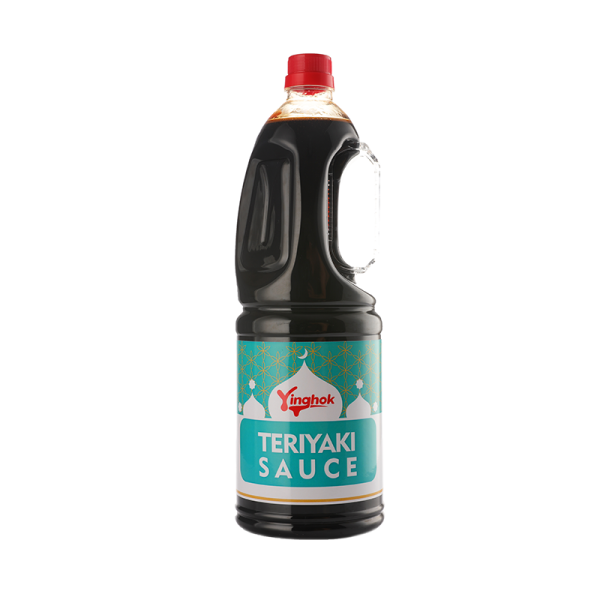
Halal certified teriyaki sauce with smooth flavor, ideal for halal catering and various cooking needs.
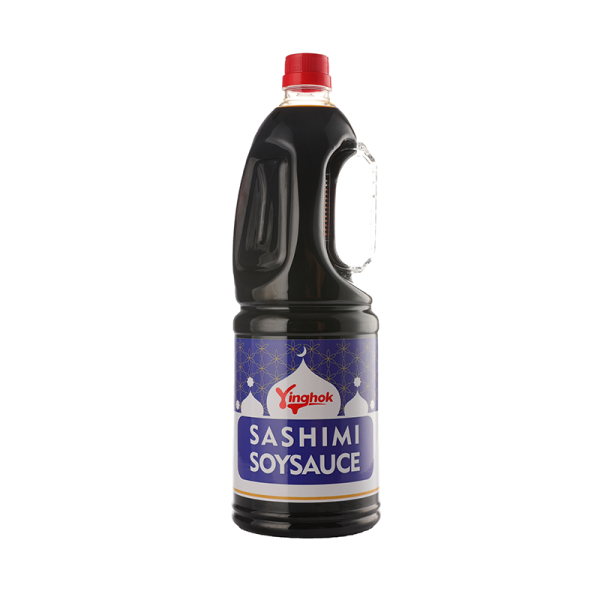
Halal certified sashimi soy sauce with smooth and delicate taste, perfect for halal Japanese cuisine and daily dining.
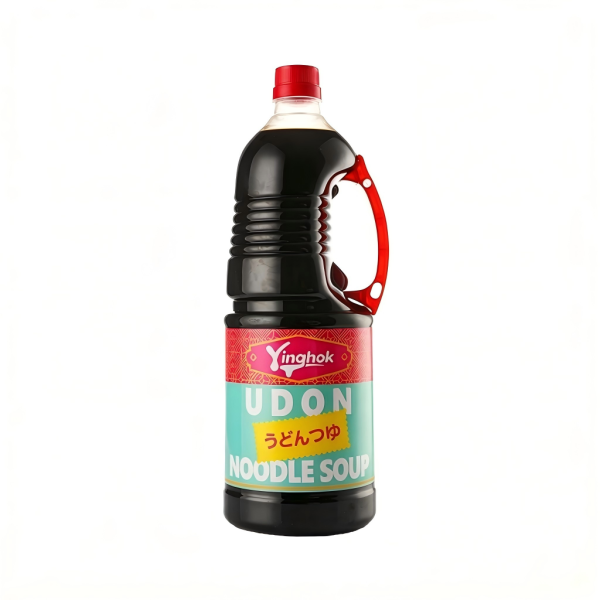
Wholesale smooth and flavorful udon noodle sauce. Enjoy traditional Japanese udon taste conveniently at home.
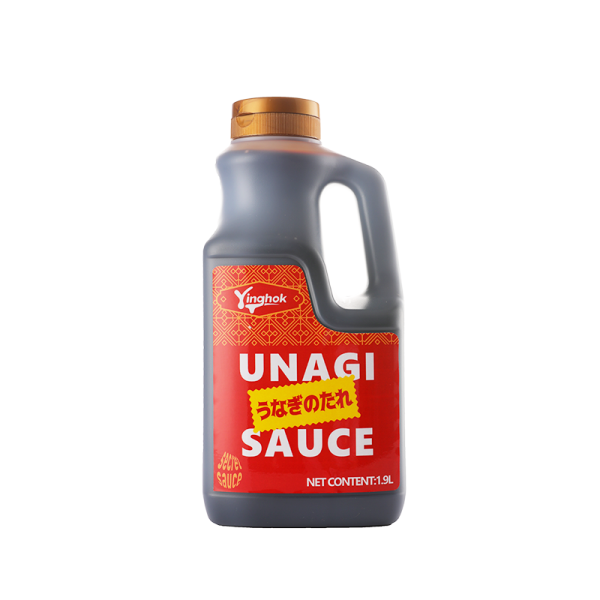
Unagi sauce is the core seasoning sauce for eel in Japanese cuisine, characterized by its rich sweet-and-savory flavor.