A Beginner's Guide to Sake and Fruit Wine: Easily Start Your Yinghok Journey
- Share
- Issue Time
- Dec 16,2025
Summary
Discover the ultimate beginner's guide to sake and fruit wine. Learn how to choose, taste, and craft these exquisite beverages with Yinghok's expert insights. Start your sake journey today!
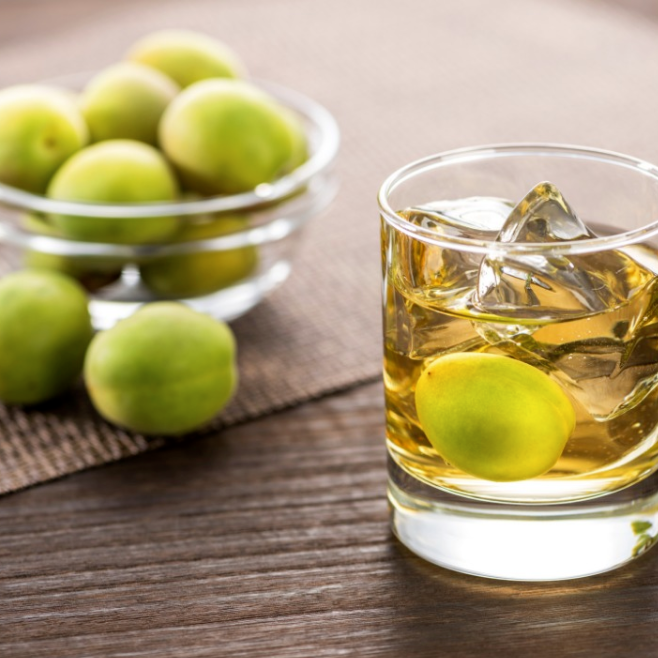
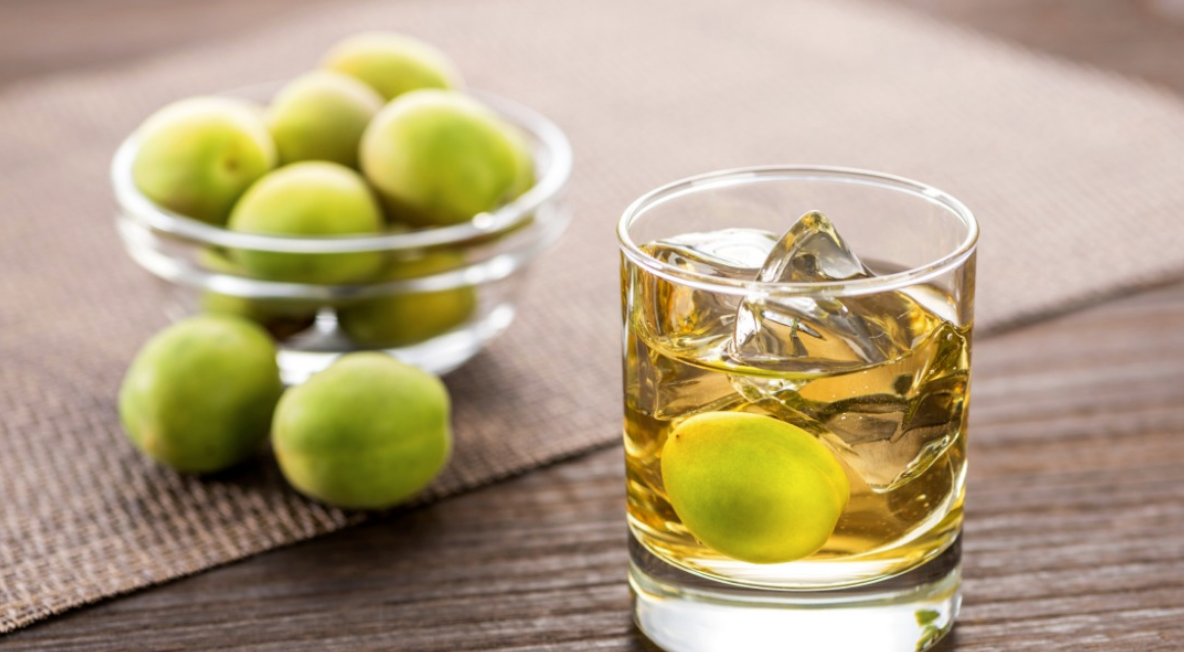
Exploring the world of sake and fruit wine can seem daunting for beginners, but with the right knowledge, tools, and guidance, anyone can develop a deep appreciation for them and even brew their own unique creations. At Yinghok, we are dedicated to providing comprehensive insights to help enthusiasts explore the rich and diverse world of traditional and innovative wines. This guide aims to unveil the mysteries of sake and fruit wine brewing, introducing you to various types of sake and fruit wine and providing practical steps to help you confidently embark on your brewing journey.
What is Sake? An Ancient Rice Wine
Sake, often referred to as Japanese rice wine, is an alcoholic beverage with a history spanning centuries, deeply rooted in Japanese culture, etiquette, and cuisine. While often compared to wine, sake is actually brewed in a way that is closer to beer. Sake brewing does not rely on the naturally occurring sugars in fruit; instead, it begins with polishing rice, removing the outer layers of the grain to expose the starchy core. The degree of rice polishing plays a crucial role in the flavor, aroma, and grade of sake.
The brewing process employs a unique parallel fermentation system. Aspergillus oryzae (also known as Aspergillus mold) is added to steamed rice, converting starch into fermentable sugars, while yeast converts these sugars into alcohol. This carefully controlled process ultimately produces a refined beverage with an alcohol content typically between 14%~15%.
Sake boasts an extremely diverse range of flavors, from dry and crisp to sweet and rich. Depending on the brewing method, rice variety, and water quality, sake may exhibit subtle aromas of rice, yuzu, peach, pineapple, cherry, hawthorn or a hint of umami. Sake can be enjoyed chilled, at room temperature, or slightly warmed, making it an ideal pairing for many other cuisines besides traditional Japanese dishes.
What is Fruit Wine? A Feast for the Taste Buds
Fruit wines are alcoholic beverages made from fermented fruits other than grapes. They come in a wide variety of types and colors, and are renowned for their rich flavors and fragrant aromas. Commonly used fruit wine ingredients include yuzu, peach, pineapple, cherry, hawthorn, blueberries, mangoes, and more. Each fruit contributes a unique natural sweetness, acidity, and flavor to the wine.
The fermentation process is relatively simple: the naturally occurring sugars in the fruit are converted into alcohol by yeast. However, the wide variety of fruits results in a diverse range of wine styles, from light and refreshing to rich and sweet. Some fruit wines emphasize a crisp and refreshing taste, while others develop a rich, jam-like flavor or floral notes.
Types of Sake Worth Exploring
For beginners, understanding the main types of sake can greatly reduce the difficulty of the selection process. Each type boasts a unique flavor, aroma, and balance of taste, allowing beginners to find the sake that best suits their palate.
Junmai sake is brewed using only rice, water, yeast, and koji (rice koji), without the addition of any distilled alcohol. This results in its full-bodied character and rich umami flavor. Junmai sake is undoubtedly an excellent starting point for beginners who enjoy a rich and savory taste or plan to pair sake with hearty dishes such as grilled meats, stews, or other flavorful meals.
Ginjo sake is brewed using a rice polishing process, where at least 40% of the outer layer of the rice is removed. This highly refined processing gives Ginjo sake its elegant and fragrant aroma, typically with notes of fruit and floral aromas such as apple, pear, or melon. Ginjo sake is a good choice for those who enjoy aromatic wines or are beginners with a delicate palate.
Daiginjo sake represents the pinnacle of sake brewing, made with rice polished to a ratio of 50% or higher. The resulting sake has an extremely refined, complex, and smooth taste, with a rich and unforgettable aroma and silky smooth mouthfeel. Although usually more expensive, Daiginjo is undoubtedly the best choice for beginners who want to experience the highest level of sake.
Popular Fruit Wines for Beginners
Fruit wines are known for their approachable flavors and rich aromas, making them an excellent choice for beginners looking to explore alcoholic beverages beyond traditional grape wines.
Peach Wines
Known for their rich aromas and gentle sweetness, peaches are light and smooth, making them especially popular during the warmer months. Their approachable taste makes them ideal for beginners who prefer soft, aromatic, and low-acidity drinks.
Cherry Wine
It blends natural sweetness with a pleasant tartness, resulting in a full-bodied and rich flavor. Its deep ruby red color and bright palate make it visually and sensually appealing. It's a great choice whether enjoyed on its own or paired with desserts and cheeses.
Sake and Fruit Wine Tasting and Pairing Tips
How to Taste Sake
• Depending on the type, it can be served slightly chilled or warm.
• Use a small tulip-shaped glass to concentrate the aroma.
• Gently swirl the wine, inhale its aroma, and then take a sip.
• Note the umami, sweetness, acidity, and body.
How to Taste Fruit Wine
• Serve chilled.
• Use a standard wine glass to appreciate the aroma and flavor.
• Sip slowly, savoring the rich fruit flavors.
• Evaluate the sweetness, acidity, and finish.
Perfect Pairings
• Sake pairs wonderfully with sushi, tempura, and light seafood.
• Fruit wine pairs well with cheese platters, poultry, desserts, and spicy dishes.
Why Choose Yinghok to Start Your Sake and Fruit Wine Journey?
At Yinghok, we blend tradition and innovation, providing high-quality ingredients, expert guidance, and state-of-the-art equipment to meet the needs of both beginners and experienced winemakers. Our carefully selected sake rice, Aspergillus, yeast strains, and fruit varieties ensure exceptional quality in every batch. Whether you aspire to create delicate sake or a full-bodied fruit wine, Yinghok offers the tools and knowledge you need to enhance your winemaking experience.
Conclusion: Start your craft journey today!
Brewing sake and fruit wine is a joyful pursuit, blending art, science, and cultural heritage. With patience, precision, and passion, you can create delightful beverages that connect you with centuries-old traditions. Embrace the learning process, experiment boldly, and enjoy the process.
Start your brewing journey today and experience the premium ingredients and expert support from Yinghok Brewery. Unleash your palate's potential and create a unique brew. Whether enjoyed alone or shared with friends, your journey into the world of sake and fruit wine will be a memorable one.
Explore more with Yinghok. Visit our website or contact our customer service team for personalized guidance, expert advice, detailed recipes, and exclusive brewing kits. Join our passionate brewing community to elevate your brewing skills to new heights. Your dream sake or fruit wine starts here—start your brewing journey today!
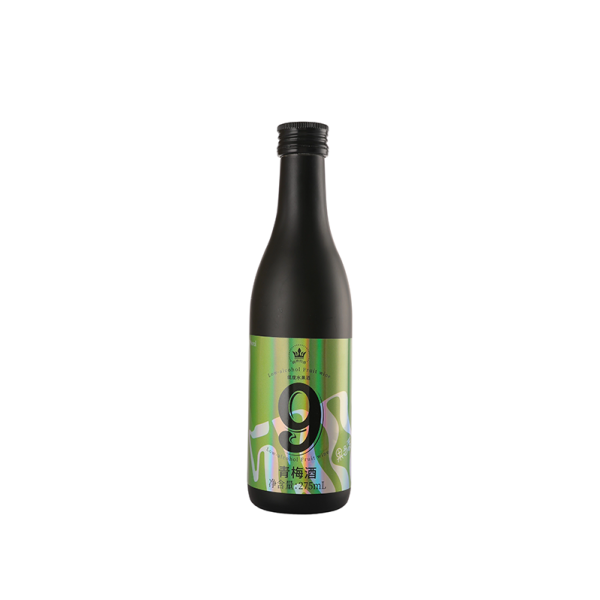
Fruit sake is a sake based wine with a variety of fresh water concentrated juice, which has a unique taste.
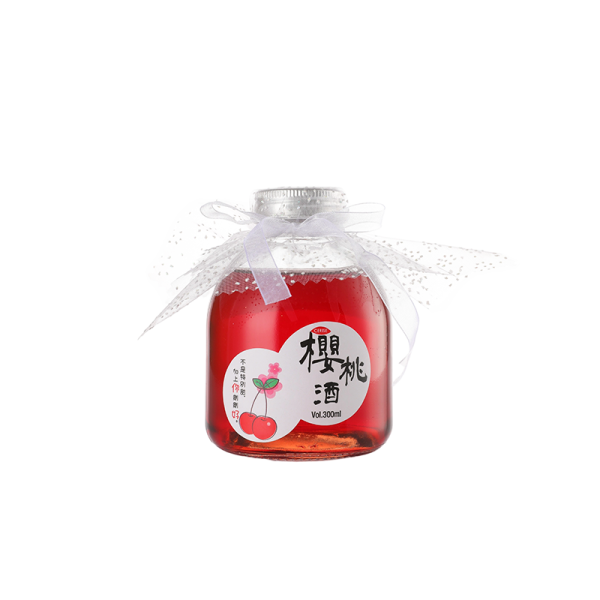
Fruit sake is a sake based wine with a variety of fresh water concentrated juice, which has a unique taste.
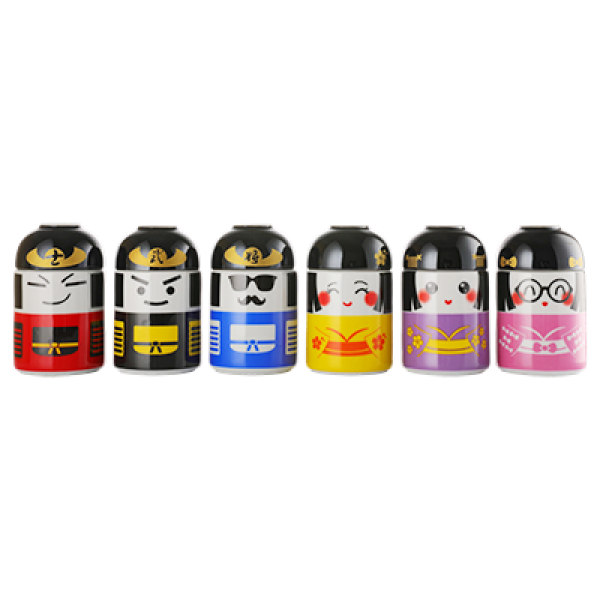
Sake is a traditional Japanese alcoholic beverage. Characterized by its clear appearance, crisp taste, and subtle aroma.
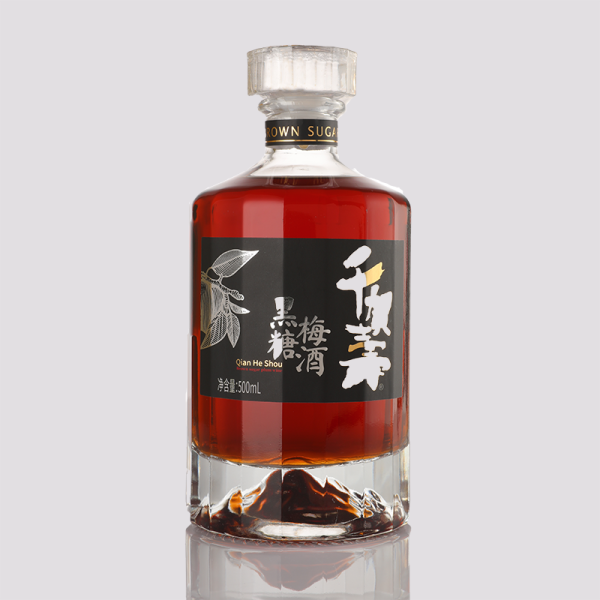
Brown sugar plum wine is a type of liquor made by blending sake as the base wine with green plum juice, black sugar and edible alcohol.