How to Work Effectively with Your Asian Sauce Supplier
- Share
- Issue Time
- Jan 27,2026
Summary
Explore proven strategies to optimize partnerships with Asian sauce suppliers. Learn how Yinghok helps you build reliable, high-quality, and seamless supply chains.
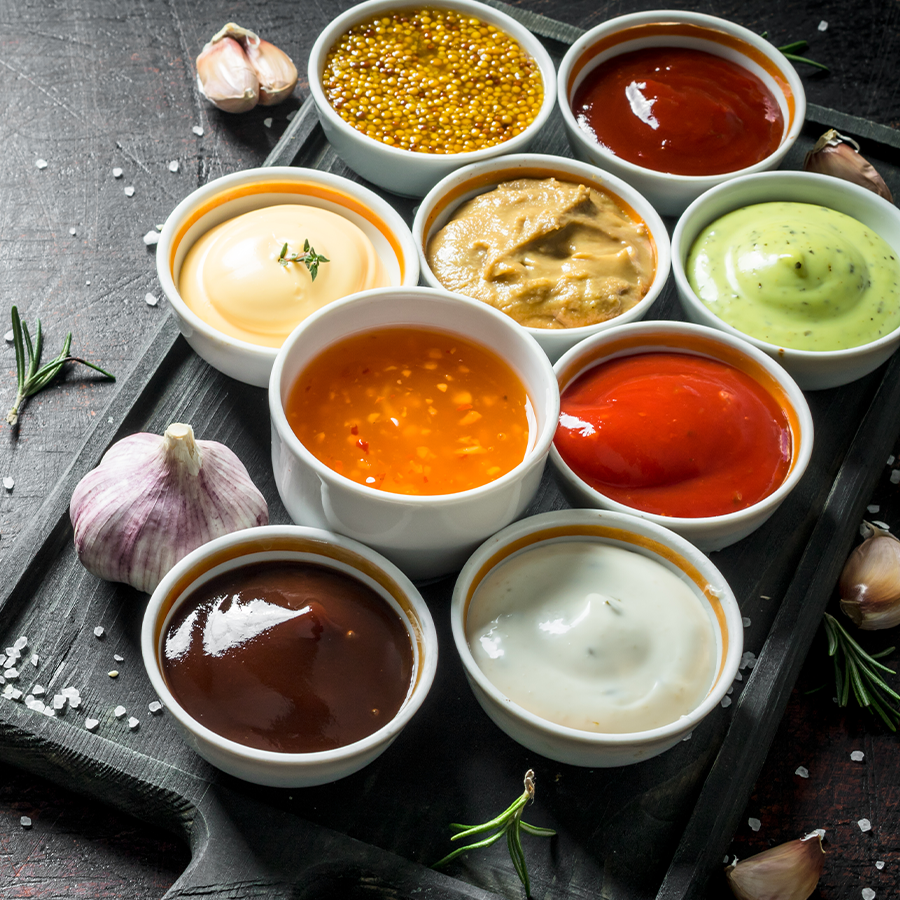
In today's globalized food industry, building strong and reliable relationships with Asian sauce suppliers is crucial, not only for product quality but also for timely delivery and long-term growth. As a leading supplier, Yinghok understands the nuances of maintaining supplier relationships in this rapidly changing market. This guide provides a clear and concise explanation of strategic approaches to working effectively with Asian sauce supplier, focusing on best practices, communication strategies, quality assurance, and cultural considerations.
Understanding the Asian Sauce Market: Key to Success
Before establishing a partnership, a deep understanding of the Asian sauce industry is essential. This includes a thorough understanding of regional flavor profiles, sourcing methods, production processes, and quality standards. Asia boasts one of the world's richest culinary traditions, giving rise to a diverse range of sauces—from staples like soy sauce, hoisin sauce, and oyster sauce, to chili sauce, fish sauce, and various fermented and specialty sauces. Each sauce reflects a unique regional flavor, raw materials, and traditional production methods.
Recognizing the diversity and complexity of these products helps businesses make more informed decisions when selecting suppliers and product lines, thus better aligning with target markets. For example, Japanese soy sauce, Korean fermented sauces, Southeast Asian fish sauce, and Chinese compound sauces all follow different standards, fermentation methods, and flavor characteristics, all of which significantly impact product positioning and consumer acceptance.
Yinghok emphasizes the importance of market intelligence—understanding the entire supply chain, key sourcing regions, production capacity, and international regulatory requirements. With this knowledge, businesses can better control quality, ensure compliance, optimize costs, and reduce supply risks. Ultimately, comprehensive information support ensures your partnerships are built on a solid foundation of expertise, transparency, and mutual understanding, paving the way for long-term, sustainable success in the global Asian sauce market.
Choosing the Right Asian Sauce Supplier: The Criteria for Successful Partnerships
In the Asian sauce industry, choosing the right supplier is the first and most crucial step in building long-term, successful partnerships. Reliable suppliers not only ensure consistent product quality but also help maintain brand reputation, guarantee supply continuity, and enhance market competitiveness. The following key criteria need careful evaluation:
1. Product Quality and Consistency
In the food industry, quality is non-negotiable. Your suppliers must comply with internationally recognized food safety and quality management systems, such as HACCP, ISO 22000, BRC, and FDA standards (where applicable). In addition to certifications, you should also require:
Detailed product specifications and ingredient lists
Microbiological and chemical testing reports
Allergen claims and shelf-life verification
Batch-to-batch consistency documentation
Consistency in taste, texture, color, and performance is crucial—especially for private label and foodservice customers who rely on consistent flavors in their final products.
2. Production Capacity and Scalability
Qualified suppliers must be able to meet your current business volume needs as well as future growth requirements. Key evaluation points include:
Daily and monthly production capacity
Lead-time delivery for standard orders and peak seasons
Ability to scale up during promotional periods or market expansion
Flexibility to handle small-batch trial orders, custom formulations, or emergency replenishment.
A strong manufacturing partner should provide not only production capacity but also operational flexibility and reliable delivery performance.
3. Supply Chain Transparency and Traceability
Modern food companies require end-to-end traceability from raw material sourcing to finished product delivery. A trustworthy supplier should provide:
Clear records of raw material sourcing regions
Traceable batch and lot number systems
Transparent logistics and export processes
Stable partnerships with upstream raw material suppliers
This transparency reduces food safety risks, improves recall management, and strengthens your compliance with international regulations.
4. Reputation and Market Validation
Before finalizing a partnership, conduct thorough due diligence:
Review client case studies and customer testimonials
Request referrals or letters of recommendation
Evaluate their track record in export markets
Assess their experience serving retailers, distributors, and food service brands
Suppliers with a good reputation and long-term client relationships are more likely to provide consistent quality, reliable service, and professional support.
5. Cultural Compatibility and Business Mindset
Successful long-term partnerships are more than just contracts and prices. Understanding the differences in communication styles, negotiation strategies, and decision-making processes across cultures helps avoid misunderstandings and friction. A culturally compatible partner will:
Communicate proactively and transparently
Demonstrate flexible problem-solving capabilities
Prioritize long-term cooperation over short-term gains
Yinghok assists clients in screening potential suppliers through rigorous factory audits, quality system assessments, and capability evaluations, ensuring that each partner meets international standards as well as your specific product and market requirements.
Establishing Effective Communication with Asian Sauce Suppliers
Clear, efficient, and consistent communication is the foundation of any successful international sourcing partnership. While language differences, time zones, and cultural differences can present challenges, these can be effectively addressed through structured processes and professional coordination.
1. Establishing a Clear Communication Mechanism
To avoid misunderstandings and delays:
Utilize bilingual account managers or professional interpreters when necessary.
Identify preferred communication channels (email, video calls, WeChat, WhatsApp, etc.)
Develop clear response times and escalation procedures
Document key decisions and technical details in writing.
Structured communication ensures that needs are clearly understood and accurately implemented.
2. Set Expectations from the Outset
At the outset of cooperation, clearly define:
Product specifications and quality standards
Packaging, labeling, and regulatory requirements
Order quantity, delivery cycle, and delivery schedule
Payment terms, contract terms, and scope of liability
Clear communication and coordination beforehand can prevent disputes, reduce errors, and improve operational efficiency throughout the cooperation process.
3. Regular Updates and Performance Feedback
Continuous communication should include:
Regular updates on production progress
Pre-shipment inspection confirmation
Quality performance evaluation
Post-delivery feedback and continuous improvement discussions
This increases transparency, strengthens accountability, and allows potential issues to be identified and resolved before they escalate.
4. Practice Cultural Sensitivity and Mutual Respect
Respecting local business customs, holidays, and negotiation methods helps build trust and long-term partnerships. A collaborative mindset and respectful communication typically result in:
Faster problem resolution
Higher supplier commitment
Prioritization during peak seasons or periods of supply shortage.
Yinghok strongly recommends working with a dedicated account manager who understands Asian manufacturing culture, export processes, and food technology standards. This ensures smooth coordination, efficient problem-solving, and a more stable and scalable supply relationship.
Contract Negotiation and Pricing Strategies
Effective negotiation is the foundation for building successful and sustainable supplier relationships. In the Asian sauce sourcing market, a well-structured contract and pricing strategy not only controls costs but also ensures stable supply, consistent quality, and long-term competitiveness.
1. Understand Market Pricing Before Negotiation
Before negotiating, conduct comprehensive market research to establish a reasonable price benchmark. This includes:
Comparing prices across different countries, regions, and supplier tiers
Understanding how raw material price fluctuations (soybeans, chili peppers, sugar, salt, etc.) affect pricing
Analyzing cost differences between traditionally fermented sauces, brewed sauces, and compound sauces
Differentiating between low-cost suppliers and value-driven manufacturers with stronger quality systems
Such preparation can help you avoid paying excessively high prices and the risks of quality or compliance issues due to excessively low prices.
2. Focus on Total Cost of Ownership (TCO), Not Just Unit Price
The lowest unit price rarely results in the lowest total cost. A professional procurement strategy must consider the following factors:
Logistics and freight costs
Import duties and customs clearance fees
Quality inspection, testing, and compliance costs
Risk costs associated with delays, rework, or rejected goods
Inventory holding and supply disruption risks
Suppliers with slightly higher unit prices but better quality consistency, shorter delivery cycles, and fewer problems typically offer significantly lower total operating costs in the long run.
3. Leverage Long-Term Partnership Incentives
Suppliers are more willing to offer favorable prices and service levels if they see long-term cooperation potential. You can negotiate more favorable terms through:
Annual sales commitments or growth plans
Long-term framework agreements
Exclusive partnerships in specific markets or channels
Joint product development or private label projects
In return, you can usually obtain more favorable prices, production priority, stable supply allocation, and technical support.
4. Negotiate Flexible and Risk-Controlled Payment Terms
Reasonable payment terms can improve cash flow and reduce financial risk. Depending on your stage of cooperation with your client and order size, payment options include:
Partial prepayment, with the balance paid upon shipment documents.
Repeat orders can extend payment terms. Letters of credit or other trade finance instruments. Performance-based payment milestones for new product development.
A balanced payment structure protects the interests of both parties and supports long-term cooperation, rather than one-off transactions.
With deep industry experience and local negotiation expertise, Yinghok helps clients build contracts, assess hidden costs, and negotiate win-win agreements, supporting stable supply, healthy profits, and sustainable business growth.
Ensuring Quality Control and Food Safety Standards
In the food industry, quality and safety are paramount—they are the cornerstones of brand trust, compliance, and long-term market success. A systematic, multi-layered quality control system must be implemented when sourcing Asian sauces.
1. Pre-shipment Inspection and Product Verification
All goods undergo rigorous inspection before leaving the factory, including:
Visual inspection of packaging, labeling, and pallets
Random sampling based on AQL standards
Sensory evaluation (taste, odor, color, texture)
Laboratory testing for microbiological, chemical, and physical indicators
This ensures that only products that fully comply with specifications and regulatory requirements are shipped.
2. Third-Party Testing and Independent Verification
To ensure objectivity and compliance, independent accredited laboratories should be engaged to conduct verification for:
Food safety parameters (microorganisms, heavy metals, additives, contaminants)
Nutritional value and ingredient compliance
Specific regulatory requirements of various countries (EU, FDA, UK, etc.)
Third-party verification can significantly reduce compliance risks and provide strong documentation for customs clearance and market audits.
3. Continuous Process Monitoring During Production
Quality control should not rely solely on final inspection. A professional quality control system should include:
Incoming material inspection
Process quality checks at critical control points
Hygiene and cleanliness audits
Process parameter monitoring (fermentation time, temperature, mixing ratios, etc.)
Early control can prevent defects, rather than waiting until the end to discover them.
4. Full Traceability and Batch Management System
Reliable suppliers must implement a complete traceability system that enables:
Full tracking from raw material suppliers to finished product batches
Rapid identification of affected batches when quality issues occur
Efficient recall management when necessary
Complete documentation required for regulatory and customer audits
Traceability is now a core requirement of the global food supply chain, not an option.
5. Closed-Loop Feedback and Continuous Improvement
When deviations or nonconformities occur:
Root cause analysis should be conducted immediately.
Corrective and Preventive Actions (CAPAs) must be implemented.
Improvement plans should be documented and tracked.
Subsequent audits should confirm their effectiveness.
This closed-loop system ensures that quality issues are systematically eliminated, rather than repeatedly tolerated.
Yinghok provides end-to-end quality management solutions, including supplier audits, production monitoring, pre-shipment inspection, and compliance verification—helping clients minimize risk, ensure consistency, and protect their brand reputation in global markets.
Cultural Factors and Building Trust
Understanding how cultural differences can significantly impact your working relationships:
Respect for Hierarchy: Recognizing the importance of respect and seniority in Asian business cultures.
Patience and Relationship Building: Investing time in building trust through face-to-face meetings, social interactions, and ongoing engagement.
Adaptability: Being able to accept negotiation styles and decision-making processes that differ from Western norms.
By building mutually respectful, culturally aware partnerships, Yinghok helps clients establish long-term, mutually beneficial relationships with Asian sauce suppliers.
Managing Logistics and Delivery to Ensure Timely Supply
Efficient logistics management ensures your products arrive on time and in good condition:
Coordinate Production Cycles: Coordinate production plans with transportation and customs clearance schedules.
Select Reliable Freight Forwarders: Partner with experienced logistics providers familiar with the Asian market.
Optimize Packaging: Ensure packaging protects products during transport and complies with destination regulations.
Contingency Planning: Develop backup plans and buffer inventory strategies to address potential delays or disruptions.
Yinghok provides end-to-end logistics support, including customs clearance, warehousing, and distribution, to streamline your supply chain.
Post-Delivery Inspection and Continuous Improvement
Upon product arrival, a comprehensive inspection is conducted to verify quality and compliance. A feedback mechanism is established to:
Address Defects or Discrepancies: Communicate with suppliers promptly and take corrective action.
Monitor Supplier Performance: Track key performance indicators such as on-time delivery, defect rate, and response time.
Foster Continuous Improvement: Collaborate on process improvements, new product development, and innovation initiatives.
Yinghok values the continuous development of its suppliers to ensure ongoing quality improvement and continued partnership success.
Conclusion: Establish Strategic Partnerships with Your Asian Sauce Suppliers
Effective partnerships with Asian sauce suppliers require a strategic, detail-oriented approach that combines rigorous supplier vetting, transparent communication, stringent quality control, cultural understanding, and efficient logistics. As a trusted partner, Yinghok adheres to these principles, helping clients build seamless, robust, and reliable supply chains to support their global business growth and competitive advantage.
By adopting these comprehensive strategies, your business can fully unlock the potential of Asian sauces—providing customers with authentic flavors while maintaining operational excellence. Trust Yinghok's expertise to guide you through transforming supplier relationships into strategic assets that drive success.
Partner with Yinghok today and transform your supply chain with premium Asian sauces and professional sourcing solutions. Get in touch with our team now and start your journey toward smarter, safer, and more profitable sourcing.
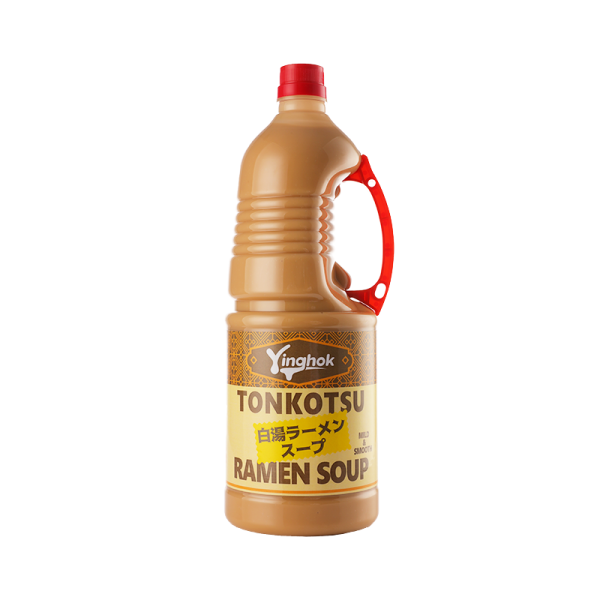
The tonkotsu ramen soup is the soul of Japanese tonkotsu ramen, rich, mellow and delicious without being greasy.
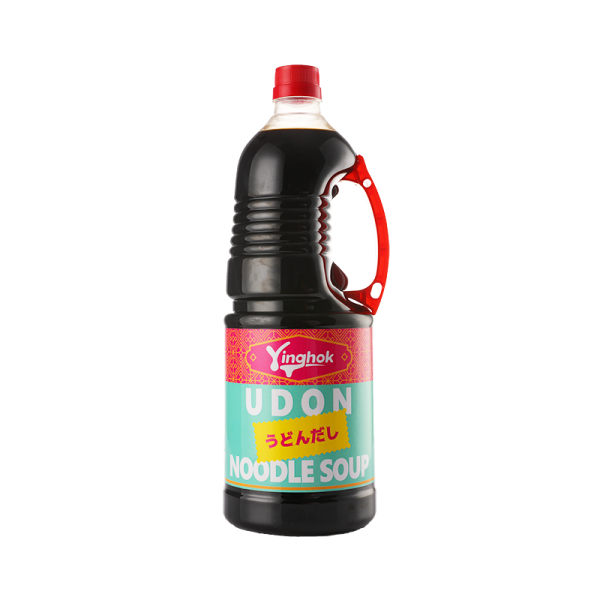
Udon noodle sauce is a specially formulated flavor - enhancing liquid for udon noodles, which can greatly enhance their taste.
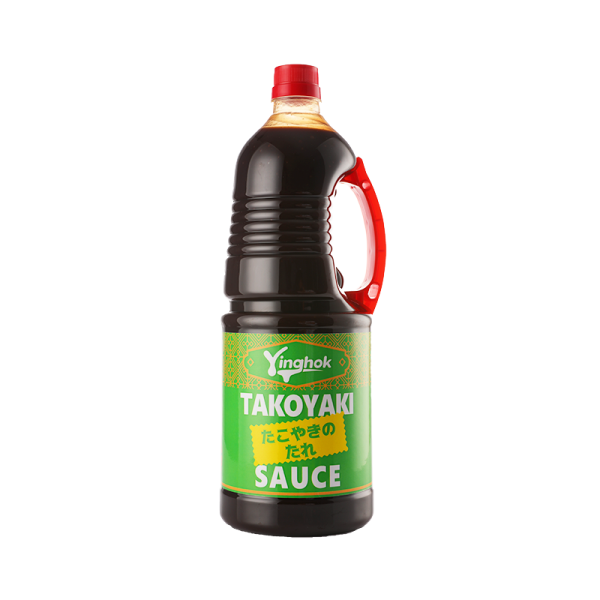
Takoyaki sauce is a complex seasoning sauce used for making takoyaki, a popular Japanese street food.
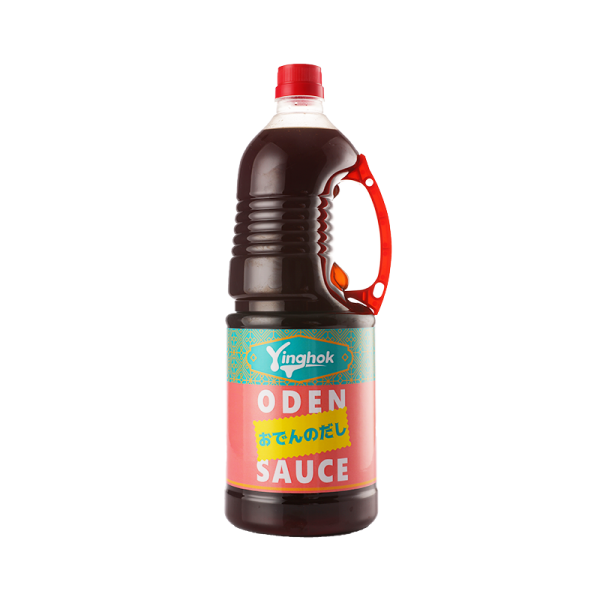
Oden Sauce: A Japanese Complex Seasoning Oden sauce is a Japanese-style complex seasoning sauce.