The Plum Wine Deception: Unpacking the Differences Between Umeshu and Fruit Wine.
- Share
- Issue Time
- May 31,2026
Summary
Umeshu, often mistakenly labeled as “plum wine,” is a distinct Japanese liqueur, not a fermented wine. The core of this differentiation lies in both its botanical origin and production method. The fruit, *Prunus mume*, known as Ume, is botanically closer to an apricot than a plum and is intensely tart and inedible when raw, thus requiring processing. Unlike traditional wine, which is made through fruit fermentation.
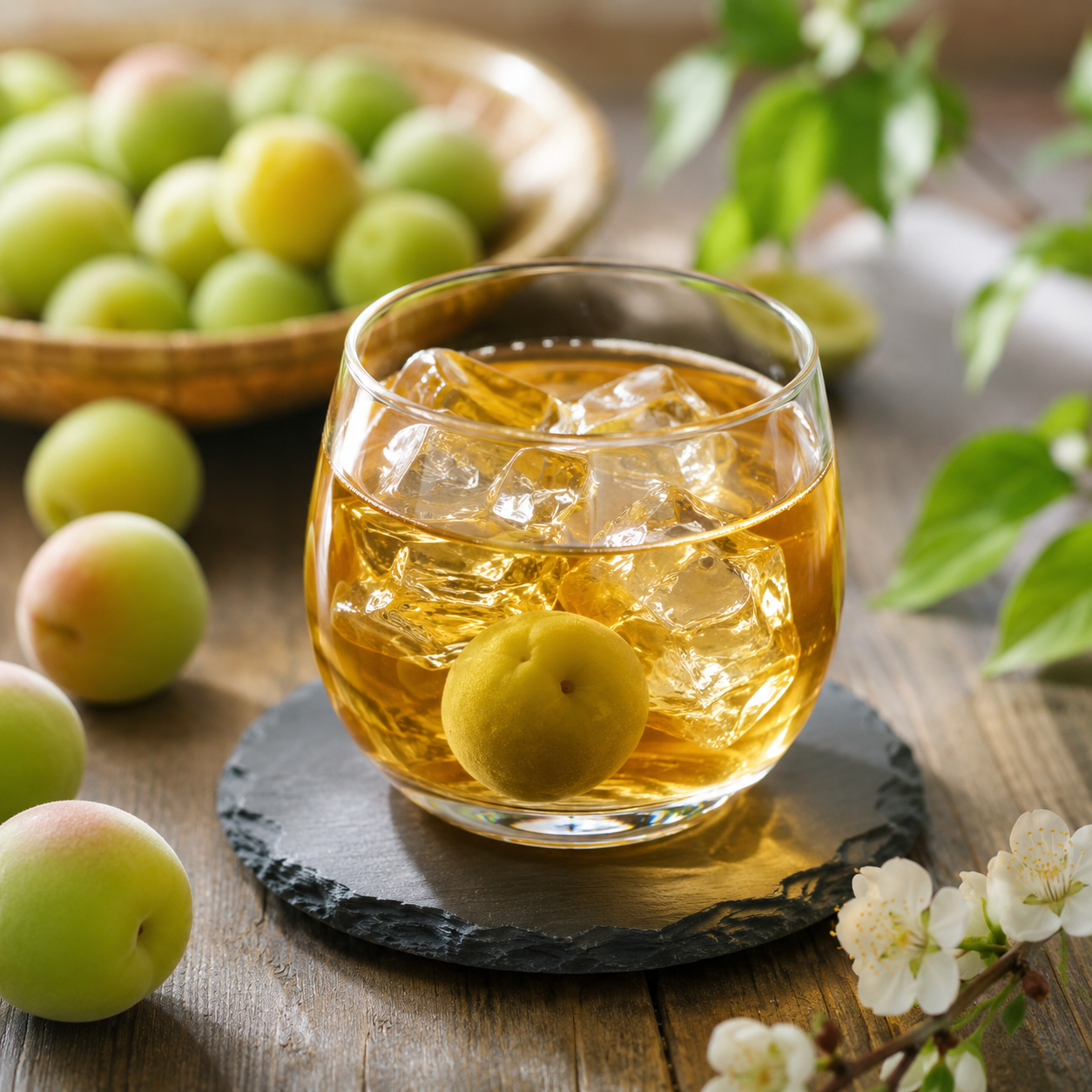
1. The Plum Wine Deception: Unpacking the Differences Between Umeshu and Fruit Wine.
Step into the world of Japanese spirits, and you might encounter a popular, amber-hued drink often labeled "plum wine." It’s sweet, tart, and undeniably delicious. But a prevalent misconception surrounds this beloved beverage. My aim is to clarify this confusion and draw a clear line between authentic Japanese Umeshu and the generic "plum wine" found on many shelves. This is not just a matter of semantics; it’s a distinction rooted in botany, brewing, and centuries of cultural heritage.
The term "plum wine" has been a convenient but misleading marketing shorthand, especially in Western markets. It simplifies a complex product into a category that consumers already understand: wine made from fruit. Yet, this simplification does a great disservice to Umeshu's unique identity. Join us as I explore this identity, separating it from broad fruit wine classifications and common false labels to reveal the sophisticated Japanese liqueur hiding in plain sight.
2. Unpacking Umeshu: The Liqueur That Is Not "Plum Wine"
The journey to understanding Umeshu begins with a simple but profound correction: dispelling the dual myths contained within the name "plum wine." The beverage is neither made from what we commonly know as plums, nor is it produced through the process of winemaking. This section will deconstruct these two core elements to establish Umeshu's true identity.
As I confirm, Ume is botanically an apricot. Its raw tartness necessitates its processing into Umeshu, a liqueur, fundamentally differentiating it from typical fruit wines and generic "plum wine" labels.
The fruit at the heart of Umeshu is the Prunus mume, a species native to southern China that was introduced to Japan over 1,500 years ago. While commonly translated as "Japanese plum" in English, this is a long-standing misnomer. Botanically, Prunus mume is classified within the Armeniaca section of the Prunus genus, making it a direct relative of the apricot, not the plum. People often call it a plum, but it is actually more closely related to the apricot. This seemingly minor detail is, in fact, crucial to why Umeshu exists in its current form.
Unlike the sweet, juicy plums or apricots you'd buy to eat fresh, the raw Ume fruit is intensely sour, astringent, and bitter. In its unripe green state, when it is typically harvested for Umeshu production in early summer, the fruit is hard and practically inedible. Furthermore, as the fruit ripens, its citric acid content actually rises, unlike other fruits that become more mellow. This high acidity makes the raw fruit unsuitable for fresh consumption but provides the perfect foundation for preservation and flavor extraction.
This characteristic necessitates processing. For centuries, Japanese households have transformed this harsh fruit into cherished staples like umeboshi (pickled Ume) and, of course, Umeshu. The transformation into a liqueur is not a choice but a necessity driven by the fruit's own nature. The intense tartness that makes it unpalatable when raw becomes its greatest asset in the steeping process, providing a vibrant, acidic backbone that balances the sweetness of the added sugar. This creates the signature, complex sweet-and-sour profile that Umeshu is celebrated for. This is a world away from typical fruit wines, which rely on the natural fermentable sugars of already-palatable fruits like grapes, berries, or true plums.
Umeshu is crafted by steeping Ume, sugar, and shochu. This process rigorously distinguishes it from fermented "plum wine" and ensures its unique character.
The second, and perhaps most significant, point of distinction lies in the production method. Wine, by definition, is an alcoholic beverage made by fermenting the juice of fruit. This biological process involves yeast consuming the natural sugars in the fruit juice and converting them into alcohol and carbon dioxide.
The traditional method for making Umeshu is elegantly simple and has been a beloved seasonal ritual in Japanese homes for centuries. The process involves three core ingredients: whole, unripe Ume fruit, rock sugar, and a base spirit, which is typically a clear, neutral distilled liquor known as shōchū (焼酎).
3. Umeshu's Distinctive Classification: Separating it from Sake and Other "Plum Wine" Variants
Having established that Umeshu made from an apricot-like fruit, it becomes easier to place it correctly within the broader landscape of alcoholic beverages. It is distinct not only from fruit wines but also from other iconic Japanese drinks like sake, with which it is sometimes confused. Furthermore, the dedication to authentic production methods creates a clear quality hierarchy, setting premium brands far apart from cheaply made, artificially flavored "plum wine" products.
My analysis shows Umeshu is typically 10-15% ABV, though some varieties can reach 35%. This sets it apart from sake and many "plum wine" brands. Yinghok products embody this authentic standard.
Umeshu's identity as a liqueur is cemented by its production method, but its final alcohol content often causes confusion. Most commercially available Umeshu has an alcohol by volume (ABV) ranging from 10% to 15%. This places it in a similar strength category to many grape wines, which is likely another reason the "plum wine" misnomer has persisted. However, this ABV is the result of the base spirit (often 35% ABV shōchū) being diluted by the juices extracted from the Ume fruit during the steeping process. Some stronger or specialized versions can indeed have a much higher alcohol content, occasionally reaching up to 35% ABV, making them as potent as base spirits like whiskey.
This separates Umeshu from sake, Japan's national beverage. Sake is a brewed rice wine, created through a complex fermentation process involving rice, water, yeast, and koji mold. Its ABV typically falls between 15-20%. The fundamental difference is that sake is brewed (like beer), while Umeshu is infused (like a liqueur).
The market is also populated with products labeled "plum wine" that are not authentic Umeshu. These are often inexpensive, wine-based beverages or neutral spirits that use artificial plum flavoring, acidulants, and caramel coloring to mimic the real thing. To combat this and protect the integrity of the traditional craft, the Japan Spirits & Liqueurs Makers Association established the "Honkaku Umeshu" (本格梅酒) standard. This "authentic Umeshu" designation is a seal of quality, assuring consumers that the product is made using only three ingredients: Ume fruit, sugar, and alcohol, with no artificial additives.
Brands like our own, Yinghok, are committed to upholding this authentic standard. We believe in the purity of the traditional method, ensuring that every bottle delivers the genuine, nuanced flavor that comes from patiently steeping high-quality Ume fruit. For those seeking an even more personalized experience, exploring options for Custom Plum Wine allows enthusiasts to delve deeper into the craft, tailoring a unique product that respects and builds upon this rich heritage.
Frequently Asked Questions (FAQ)
1. How should Umeshu be served?
Umeshu is incredibly versatile. The most popular way to drink it is "on the rocks" (rokku), which mellows its sweetness and makes it very refreshing. It is also commonly mixed with soda water (soda-wari) for a lighter, fizzier long drink perfect for summer. In winter, it can be diluted with hot water (o-yu-wari) for a warming treat. Premium or well-aged Umeshu is often enjoyed straight or neat to appreciate its full complexity. It's also a fantastic cocktail ingredient, pairing well with spirits like gin and whiskey, or even mixed with green tea.
2. Is the fruit inside the Umeshu bottle edible?
Yes, the Ume fruits found inside many bottles of Umeshu are edible and considered a delicacy by many. After steeping in alcohol and sugar for months, they become soft, sweet, and intensely boozy. They are perfectly safe to eat and can be enjoyed as a little treat after you finish your drink. Some people even use them in cooking or as a garnish for desserts.
3. How is Umeshu different from Sake?
Umeshu and Sake are fundamentally different beverages. Umeshu is made by steeping Ume fruit and sugar in a distilled spirit like shōchū. Sake, on the other hand, is a brewed rice wine. It is made through a complex fermentation process where yeast converts the sugars from steamed rice into alcohol. While both are iconic Japanese drinks, their ingredients, production methods, and flavor profiles are completely distinct.
Conclusion
Throughout this exploration, my analysis underscores the clear and definitive standing of Umeshu as a unique and sophisticated Japanese wine, not merely another "plum wine." The distinction is not trivial; it is woven into the very fabric of the drink’s identity, from its botanical origins as an apricot relative (Prunus mume) to its meticulous production through infusion, not fermentation. The term “plum wine” is a commercial simplification that obscures the rich history and craft behind this exceptional beverage.
By understanding that Umeshu is born from steeping a tart fruit in spirits, we can appreciate its true character. Moving beyond artificially flavored substitutes. I encourage you to seek out authentic Umeshu from dedicated producers like Yinghok and Choya, appreciating its depth, versatility, and profound cultural significance beyond simplified labels. Raise a glass to tradition, patience, and the delightful deception that led us to uncover the truth.
We invite you to share this article to help clarify the wonderful world of Umeshu and encourage others to explore its authentic flavors. What are your favorite ways to enjoy this Japanese liqueur? Let us know in the comments below.
Contact Yinghok today to buy authentic plum wine.
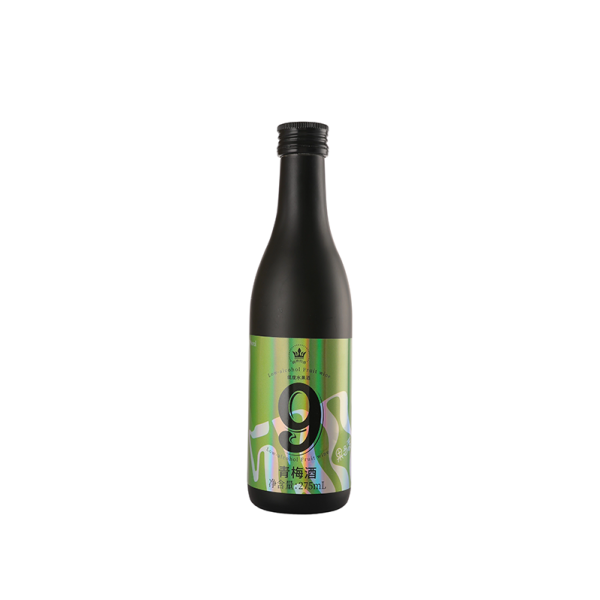
Smooth and fruity green plum wine for casual drinking and gatherings.
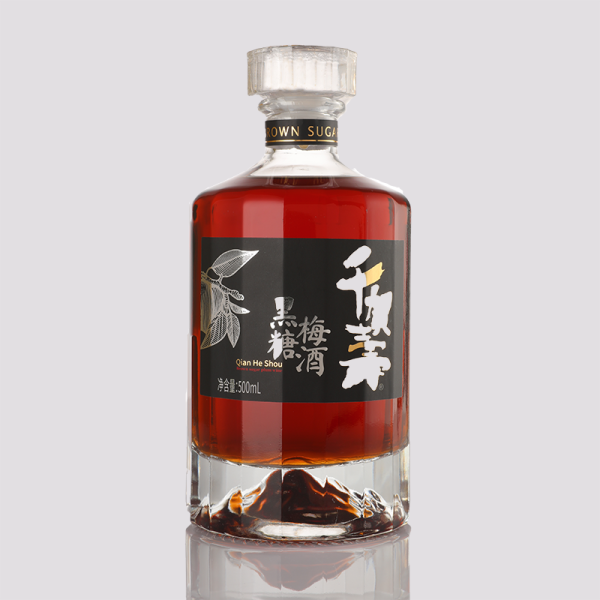
Classic Japanese-style brown sugar plum wine with a luscious mouthfeel and sweet finish.
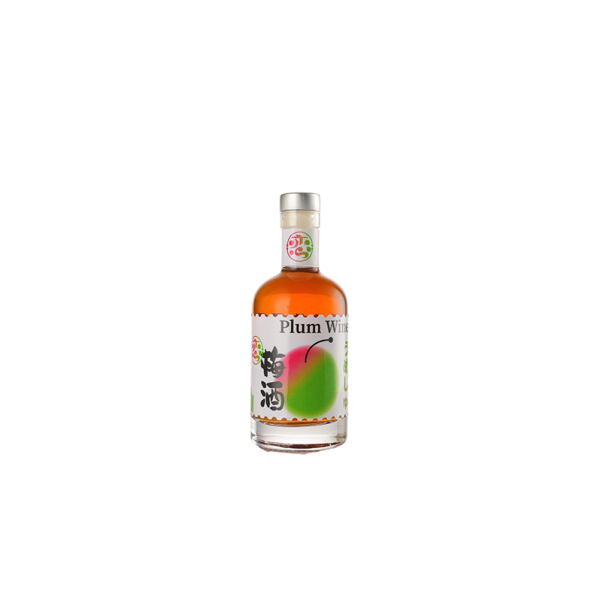
Delightful plum wine with balanced sweetness, perfect for casual drinking and gatherings.
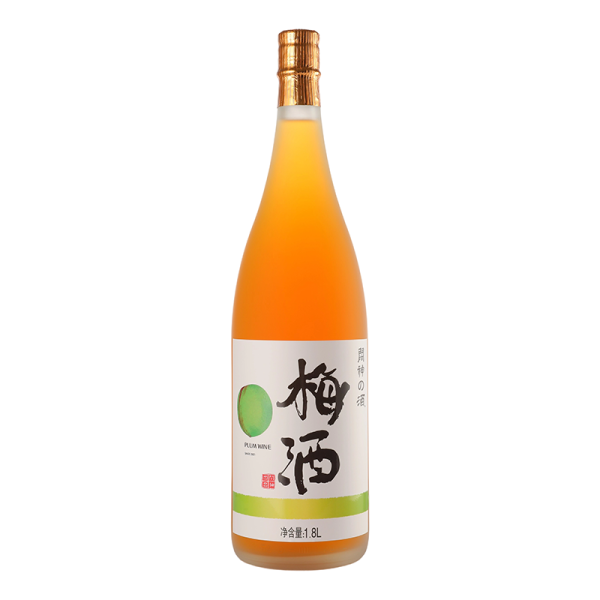
Refreshing plum wine with a sweet, fruity flavor and smooth finish.