Cooking Sake vs. Cooking Wine: A Guide to Flavor, Formulation and Supply Consistency
- Share
- publisher
- Yinghok
- Issue Time
- Sep 4,2026
Summary
Compare cooking sake and cooking wine for B2B food production, focusing on flavor, formulation, consistency, procurement, packaging and reliable commercial supply.
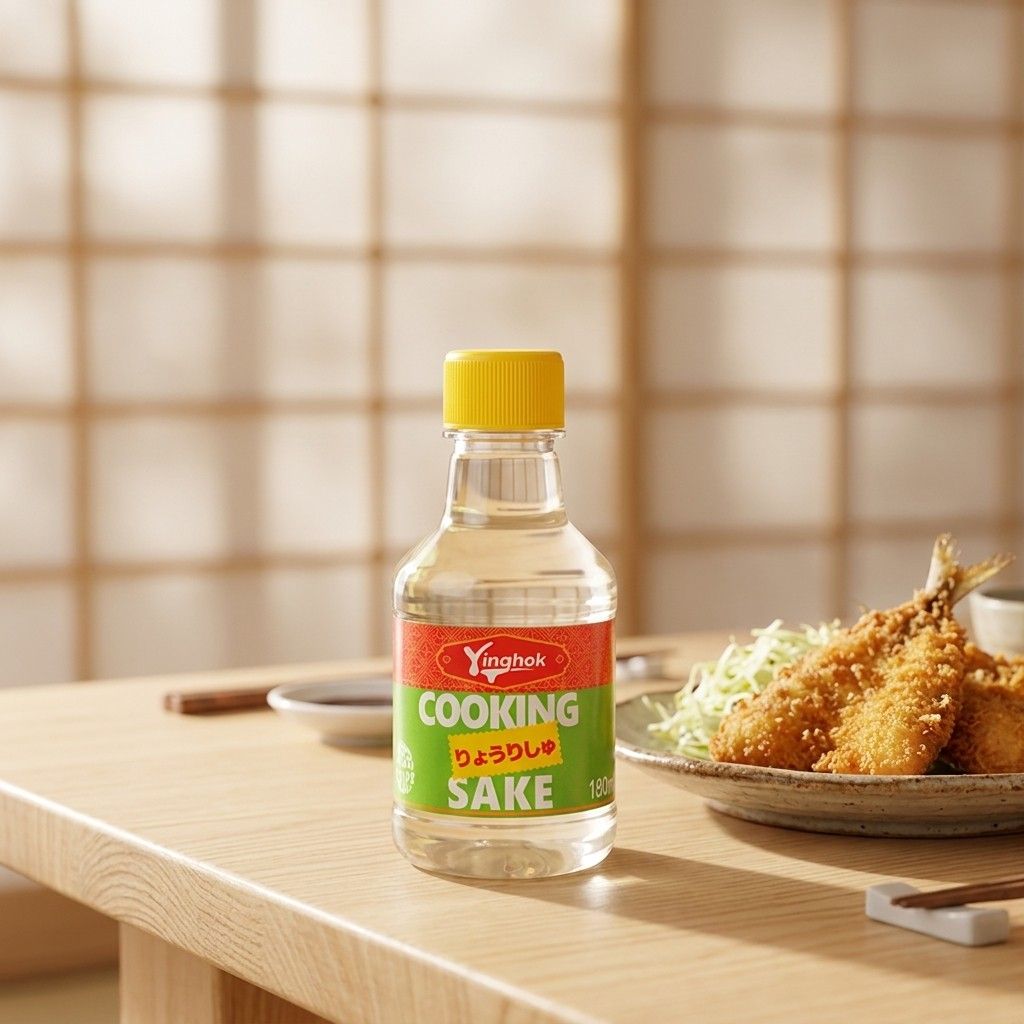
For restaurant groups, foodservice distributors, private-label brands and food manufacturers, choosing between cooking sake and cooking wine is not a simple substitution decision. The liquid seasoning affects aroma release, umami perception, salt management, reduction behavior, label declarations, production repeatability and ultimately the cost of every serving or finished unit.
This guide explains the practical differences and translates them into procurement and product-development criteria for businesses sourcing Japanese and pan-Asian seasonings at commercial scale.
Why the Distinction Matters
In a home recipe, a small substitution may be acceptable. In a commercial kitchen or factory, however, the same substitution can create measurable variation. A sauce that tastes balanced in a small pan may become overly sharp after reduction; a marinade may deliver a different level of odor control; and a central kitchen may see inconsistent results when different operators use different brands or bottle sizes.
For B2B buyers, the right question is therefore not “Which one is better?” but “Which seasoning gives us the required sensory and operational performance at the lowest total cost and with the strongest supply assurance?”
What Are Cooking Sake and Cooking Wine?
Cooking sake, commonly described as ryori-shu, is a rice-based culinary seasoning associated with Japanese cuisine. Rice, water, yeast and koji-based fermentation create a mild alcoholic foundation with savory depth. Commercial cooking-sake formulas may also contain salt, sweeteners or other permitted ingredients, so the specification must always be checked rather than inferred from the product name. Japanese culinary references describe sake as useful for adding mellow flavor and umami, reducing strong odors and supporting meat, seafood, soup, sauce and marinade applications.
Cooking wine is a broader commercial category. It may refer to a grape-based wine, rice wine, or another wine-style seasoning that has been adjusted for culinary use. In some markets, cooking wine is salted or otherwise seasoned so it is sold as a cooking ingredient rather than a beverage. Because the category is not one uniform formula, two cooking wines can differ significantly in acidity, sweetness, tannin, color, sodium and aroma.
The distinction is especially important for Asian sauces. Japanese-style sauces typically rely on a clean savory-sweet structure built from soy sauce, sugar or mirin, vinegar and stock. A rice-based cooking sake generally integrates into that structure more quietly than a strongly fruity, acidic or tannic grape-based cooking wine. This is a formulation tendency—not a universal rule—so application testing remains essential.
Commercial Comparison: What Buyers Should Evaluate
| Evaluation point | Cooking sake | Cooking wine | Commercial implication | Buyer question |
|---|---|---|---|---|
| Base profile | Rice-fermented, mellow, savory and typically clean | Often wine-style with variable fruit, acidity and tannin | Determines whether the seasoning supports or competes with soy, miso, stock and sugar | Does the flavor remain balanced after heating and reduction? |
| Salt and sodium | May be seasoned; level varies by formula | Frequently seasoned in some markets; level varies widely | Changes the salt contribution of the full recipe and affects nutrition labeling | Can the formula be standardized across batches and markets? |
| Aroma function | Useful for lifting aroma and reducing unwanted odors | Can add a recognizable wine character | Important for seafood, poultry, pork, beef and plant-protein applications | Is odor control required without adding a grape-wine note? |
| Reduction behavior | Usually supports Japanese sweet-savory sauces | Acidity, fruit or tannin may become more concentrated | Affects gloss, aftertaste, color and consumer acceptance | What happens at the target Brix, temperature and hold time? |
| Supply format | Retail, foodservice and bulk options can be developed | Formats and compositions vary by supplier | Packaging affects labor, storage, freight and unit economics | What pack size fits our usage rate and distribution model? |
| Compliance | Alcohol, sodium, additives and claims require market review | Same, plus wine-origin and ingredient considerations | Documentation must match destination-market rules | Can the supplier provide full specification and export documents? |
How the Difference Appears in Sauces and Glazes
Sauces are judged after the liquid has been heated, concentrated and combined with other ingredients. The flavor in the bottle is therefore only the starting point. In a teriyaki, yakitori glaze or simmering sauce, cooking sake can contribute a gentle fermented aroma and savory depth while allowing soy sauce, sugar and mirin to remain identifiable. A cooking wine with pronounced acidity, fruitiness or tannin may become more noticeable as water evaporates.
For product developers, this means testing the seasoning in the final process rather than tasting it only as a raw ingredient. A useful commercial trial compares the same sauce base at three stages: immediately after blending, after the target reduction or cooking step, and after the finished product has cooled and been held for the intended shelf-life period. Sensory criteria should include aroma, salt perception, sweetness balance, bitterness, color, mouthfeel and lingering aftertaste.
Teriyaki: Balancing Sweetness, Gloss and Savory Depth
Teriyaki is a good example of why ingredient roles need to be separated. Cooking sake contributes fermented depth and aroma; mirin contributes sweetness and a rounded Japanese-style profile; soy sauce provides salt and umami; sugar or syrup controls sweetness, body and glaze development. The final gloss depends on the complete system, including solids, reduction, viscosity and the interaction between sugar and protein at the cooking surface.
For restaurant chains, a standardized teriyaki base reduces operator dependency and helps maintain the same taste across locations. For food manufacturers, the formulation must also be evaluated for pumping, filling, hot-hold stability, freeze-thaw performance, sauce separation and compatibility with the protein or vegetable matrix. A supplier that can develop cooking sake, mirin and finished Asian sauces together can often reduce the risk of flavor drift between related SKUs.
Sushi Rice, Marinades and Other High-Value Applications
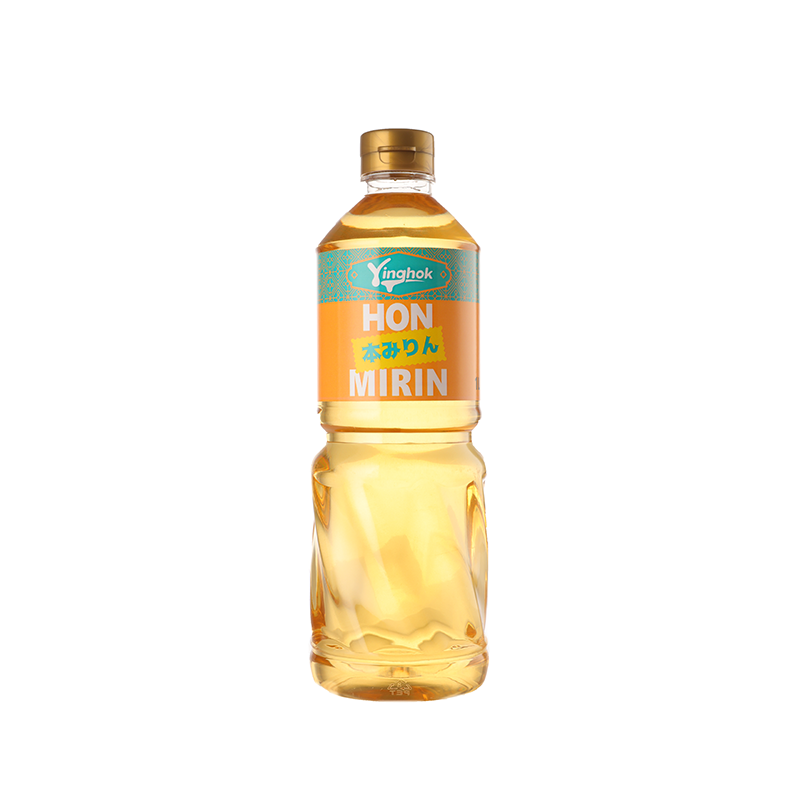
In sushi rice, the primary seasoning system is usually sushi vinegar or seasoned rice vinegar. If sake or another rice-based seasoning is included, its role should be evaluated carefully because the rice is commonly cooled before service. A raw alcoholic edge that disappears in a hot sauce may remain perceptible in cooled shari. For central kitchens and sushi chains, the correct test should therefore include mixing temperature, cooling time, holding time and service temperature—not only a freshly prepared sample.
In marinades, cooking sake is commonly assessed for aroma control, flavor lift and its interaction with salt, soy sauce, sugar and acids. The application can include seafood, poultry, pork, beef, tofu and plant-based proteins. For industrial use, the R&D team should also review marination yield, tumbling or injection performance, contact time, cooking loss and the effect on finished texture. These parameters are more meaningful to a B2B buyer than a generic claim such as “adds flavor.”
A Practical Application Matrix for B2B Customers
| Application | Preferred development focus | Recommended validation | Typical buyer profile |
|---|---|---|---|
| Teriyaki, yakitori and BBQ glaze | Clean fermented depth, controlled sweetness, gloss and reduction stability | Cooked protein test; hot-hold and cooled sensory check | Restaurant chains, sauce brands, food manufacturers |
| Sushi rice and sushi vinegar | Mild aroma, clean finish, no unwanted alcoholic edge after cooling | Prepare, cool, hold and taste at service temperature | Sushi chains, central kitchens, distributors |
| Seafood and meat marinades | Odor reduction, umami support, salt balance and texture impact | Marination yield, cooking loss, odor and texture panel | Processors, catering, restaurants |
| Ramen, udon and simmering bases | Compatibility with stock, soy, miso, spice and long heating | Dilution, simmering, hot-hold and reheating test | Noodle chains, foodservice distributors |
| Ready meals and frozen foods | Batch consistency, thermal stability and label fit | Pilot production, freeze-thaw and shelf-life study | Food factories, meal-kit and retail brands |
Procurement Checklist: From Sample to Purchase Order
A professional sourcing process should convert a taste preference into a measurable specification. Before requesting a quotation, buyers should define the application, target market, expected monthly volume, pack format, intended channel and any restrictions such as halal, vegetarian, allergen-free, low-sodium or alcohol-restricted positioning. The supplier can then recommend a standard formula or develop a custom sample against a clear brief.
1. Confirm the technical specification. Request ingredient declaration, alcohol content, sodium or salt level, acidity or pH where relevant, color, viscosity, Brix where relevant, allergen statement, microbiological criteria, shelf life, storage conditions and lot identification method.
2. Test at the real use level. Do not compare products only by spoon taste. Test the product at the recipe dosage, under the actual heating, reduction, dilution, cooling, holding and packaging conditions used by the customer.
3. Calculate total landed cost. Compare cost per kilogram or liter, dosage rate, yield, freight, packaging waste, storage space and labor. A lower unit price may not be lower cost if the product requires a higher dosage or creates rework.
4. Validate supply continuity. Review production capacity, lead time, MOQ, backup planning, export experience, documentation, lot consistency and communication during specification changes.
5. Approve a reference standard. After sensory and technical approval, retain an agreed reference sample and specification. Future batches should be evaluated against that reference through documented quality-control procedures.
Packaging and Distribution Considerations
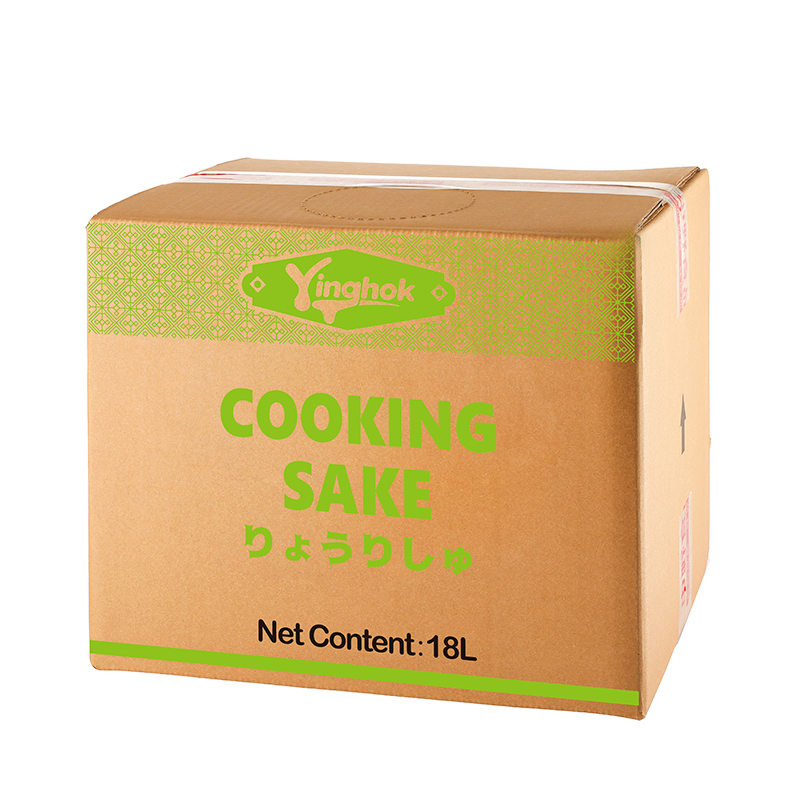
The appropriate format depends on consumption rate, kitchen workflow and distribution channel. Retail bottles support supermarket and specialty-grocery sales; 1.8-liter-class foodservice packs are practical for restaurant kitchens; and larger containers can support central kitchens, distributors and food manufacturers. Packaging should be selected together with closure integrity, secondary cartons, pallet configuration, shelf-life requirements and local recycling or labeling obligations.
For importers and distributors, the commercial specification should also clarify whether the item is a finished branded product, an OEM private-label product, or a bulk ingredient for repacking or further manufacturing. These routes have different requirements for label artwork, batch coding, certificates, customs documentation and responsibility for market compliance.
Why a Seasoning Partner Matters
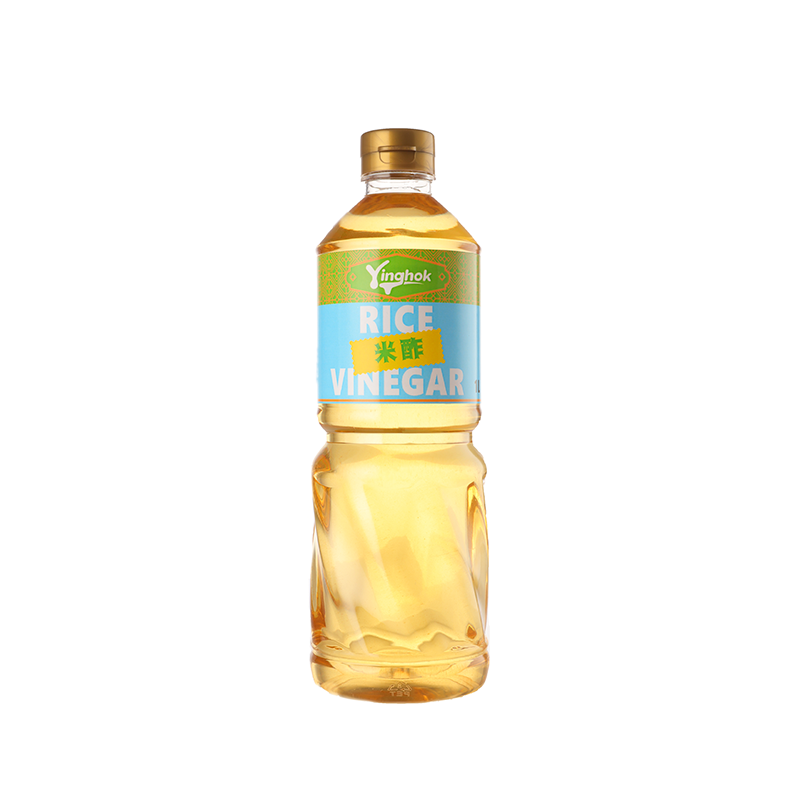
Yinghok positions its Japanese seasoning and Asian sauce portfolio for restaurants, foodservice distributors, retailers and food manufacturers. Its listed capabilities include custom cooking sake, Hon Mirin, Mirin Fu, rice vinegar, sushi vinegar and broader Asian cooking sauces, allowing buyers to develop a coordinated seasoning system rather than managing every component separately.
For B2B customers, the value of an OEM/ODM partner is not limited to a single bottle. It includes application-driven formulation, sample iteration, packaging and private-label support, documentation, production planning and the ability to scale an approved flavor into repeatable commercial supply. Yinghok’s website describes flexible packaging from retail formats to foodservice and bulk options, as well as customization of aroma, flavor intensity, salt balance and application performance. All final claims, certifications, specifications, MOQ and lead times should be confirmed against the quotation and destination-market requirements for the specific project.
OEM/ODM Development Workflow
| Stage | B2B deliverable |
|---|---|
| Requirement briefing | Application, target taste, dosage, market, pack format, certifications and volume forecast. |
| Sample development | Bench formulation and sensory adjustment around aroma, sweetness, salt, acidity, alcohol and viscosity. |
| Application validation | Cooking trials under the customer’s real process, including reduction, cooling, holding, reheating or freezing as applicable. |
| Specification and label review | Ingredient list, nutrition information, claims, barcode, artwork, case pack and export documentation. |
| Pilot and approval | Pilot batch, reference sample, quality criteria and final commercial sign-off. |
| Mass production and supply | Scheduled production, batch release, logistics coordination and post-launch technical support. |
Conclusion: Choose for the Process, Not Just the Recipe
Cooking sake and cooking wine may occupy a similar place in a recipe, but they are not automatically equivalent ingredients. Their differences can influence flavor architecture, reduction performance, sodium management, finished-product labeling and operational consistency. For a B2B buyer, the most reliable choice is the product that performs consistently in the real process, meets the target market’s requirements and can be supplied at the required volume and format.
If you are developing a teriyaki glaze, sushi program, ramen base, marinade, ready meal or private-label Japanese seasoning range, Yinghok can support a broader project from ingredient selection to custom formulation and commercial supply. Explore the linked product series below or contact the team for samples and an OEM/ODM consultation.
Frequently Asked Questions
Can cooking wine replace cooking sake in a commercial recipe?
It can be tested as an alternative, but it should not be treated as a direct one-to-one substitution without adjustment. Compare salt, acidity, sweetness, aroma, color and reduction behavior at the finished recipe level. For Japanese-style sauces, a rice-based cooking sake is often the more predictable starting point.
Is cooking sake always low in alcohol?
No. Commercial products vary. A reputable specification should state alcohol content and any added salt or sweetener. Heating can reduce alcohol, but the amount remaining depends on time, temperature, vessel, recipe composition and process conditions.
What is the difference between cooking sake and mirin?
Cooking sake is generally used for fermented aroma, savory depth and odor management. Mirin is generally sweeter and is used for sweetness, rounded flavor and glaze contribution. In a teriyaki system, they often perform complementary rather than identical roles.
Which format is best for restaurant chains?
The answer depends on usage rate and purchasing structure. Foodservice-size packs often reduce handling and unit cost, while retail-size packs may be better for resale or smaller kitchens. A pilot should measure daily consumption, opening frequency, storage and waste before finalizing the pack.
Can Yinghok develop private-label cooking sake or a complete Japanese seasoning range?
Yinghok’s listed service model includes OEM/ODM development for cooking sake, mirin, vinegar and Asian cooking sauces. Buyers can discuss formula, packaging, labeling and supply requirements directly with the team.
Explore Yinghok Solutions: