Custom Sushi Soy Sauce OEM: MOQ, Certifications & Lead Time
- Share
- Issue Time
- Nov 14,2026
Summary
A B2B purchase-decision guide to custom sushi soy sauce OEM. Compare published MOQ reference terms (30 cartons standard / 50 cartons custom, plus a 25-50 carton wholesale range), verify HACCP, BRCGS, FDA and BPJPH/JAKIM Halal certificate scope, and separate the 2-3 week development timeline from per-order production and shipping. Includes a quick-reference table, a three-route comparison, a procurement checklist, six buyer FAQs and links to the sushi sauce product groups.
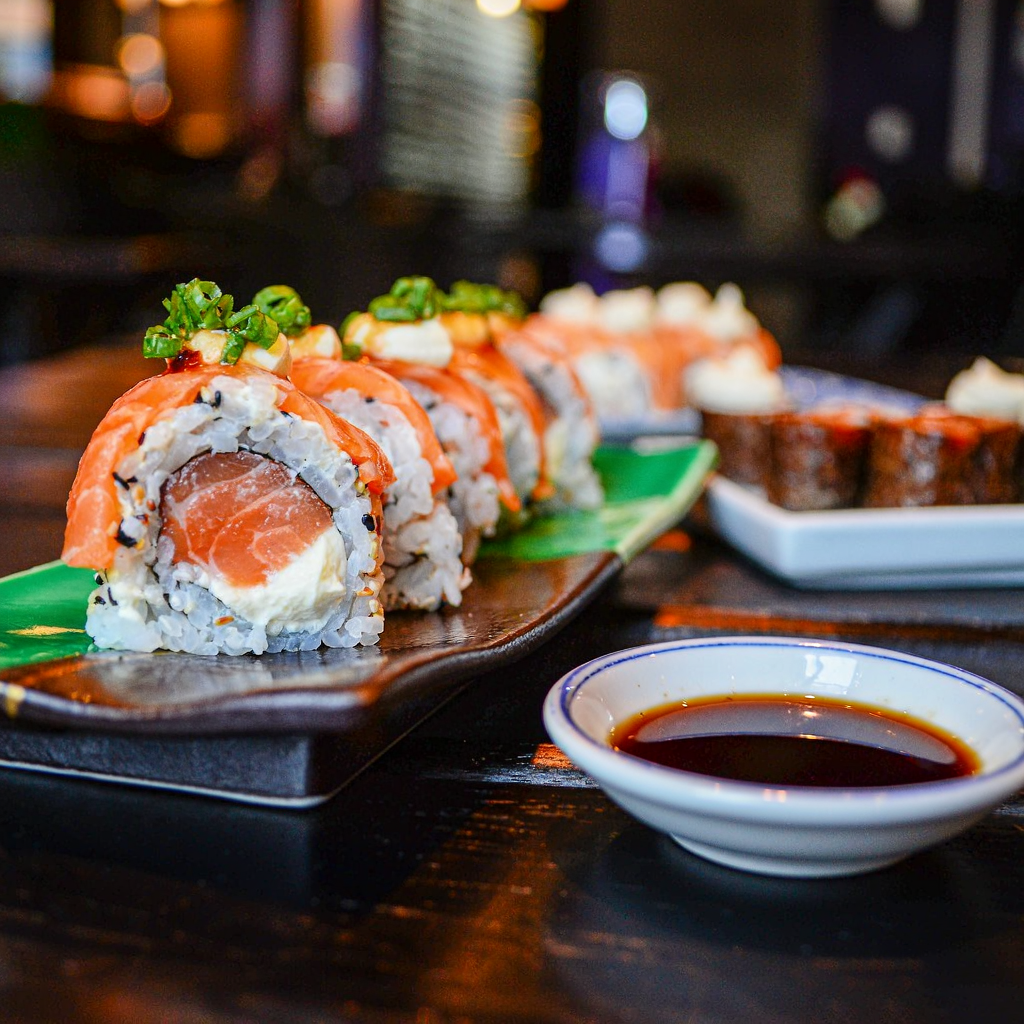
Custom sushi soy sauce is a specification purchase, not a flavour purchase. For restaurant chains, private-label retailers and sushi manufacturers, three commercial questions come first: the minimum order, the certificate scope, and the timeline to an approved sample and a shipping date. This guide uses only the terms Yinghok publishes on its own site. Published references are labelled as such, not as quotations. Short answer: published MOQ starts at 30 cartons for standard flavours and 50 cartons for custom formulas; a separate wholesale reference gives 25–50 cartons, or an equivalent weight. Published certificates include HACCP, FDA, BRCGS, BPJPH Halal, JAKIM Halal and a High-tech Enterprise certificate. Development takes 2–3 weeks for an existing formula with custom labels, about 4 weeks for a new flavour to approved sample. Production and shipping are not fixed published numbers and are confirmed per order. Use this as the first screen in a supplier comparison. The third column is what you still need in writing. Published reference terms, not a quotation. MOQ, timeline and packaging vary by product; confirm before committing. Buyers comparing the sushi soy sauce group page with the broader wholesale FAQ will find two different MOQ statements. The group FAQ describes a flexible minimum starting at 30 cartons for standard flavours and 50 cartons for custom formulas, with better terms for long-term partners. The wholesale FAQ cites 25–50 cartons, or an equivalent weight, and notes that custom formulas may require more. Both are reference ranges, not a price list. If they conflict for your SKU, request the current figure in writing and define the carton configuration. The practical reading: a validated standard flavour is the lowest-commitment route, while a custom formula needs dedicated development, a dedicated run and its own packaging materials. Published customization options include saltiness, sweetness, umami, soy aroma, colour, viscosity, flavour strength and regional adaptation; private label adds custom labels, brand packaging, barcode support and export documentation. Published formats cover retail bottles, restaurant-size containers and bulk packaging — format examples, not a guarantee that every formula suits every size. Yinghok publishes six certificates in its certificate area: an HACCP System Certificate, FDA, a BRCGS Certificate, BPJPH and JAKIM international Halal certificates, and a Certificate of High-tech Enterprise. The sushi soy sauce group page also describes halal-certified options and lists a halal sashimi soy sauce. A certificate only helps if it covers the product, site and market. Check the legal entity, manufacturing site, scope, issuing body and validity dates. For Halal, confirm destination-market acceptance and whether the SKU is inside its scope; do not assume one certificate covers every sauce or line. BRCGS and HACCP describe audited management systems, while FDA-related documentation serves different purposes. None replaces the specification, allergen declaration and label review your market requires. Buyer's rule: request the actual documents, not a logo sheet, and match each to the SKU, site and import requirements. If Halal is a condition of sale, settle scope and recognition before the formula is frozen. For international shipments, agree which documents the manufacturer, importer and logistics provider each hold. Covered US importers may have FDA Foreign Supplier Verification Program obligations; elsewhere, confirm local import and labelling rules with the relevant authority. The common error is treating the development timeline as the delivery date. The published timeline covers getting to an approved sample: 2–3 weeks for an existing formula with custom labels, about 4 weeks for a new flavour. It gives no fixed days for mass production, inspection or shipping. Stages 1–4 are the part covered by the published timeline. Stage 4 is where projects slip, because artwork, barcode and nutrition information are buyer-dependent. Stages 5 and 6 need a separate commitment on production slot, inspection, carton and pallet specification, shipping terms and documents. Work backwards from the in-market date, add a buffer for sample revisions, and confirm the production slot early. Validate the approved sample in the real recipe and serving size, recording flavour, consistency and portion control. A vague request to make the sauce "stronger" restarts the sample loop; give measurable adjustments. Most decisions fall into one of three routes. The table compares them on the criteria that change the contract. No route is universally best. Validate a standard flavour in the real menu first, then move to private label once profile and pack are fixed. A buyer needing lower salt, a lighter colour for delicate seafood, or a sweeter profile for rice-bowl menus should budget extra sample rounds for custom development. The published range distinguishes koikuchi shoyu (rich and savoury), usukuchi shoyu (light and refreshing), sashimi soy sauce (mild and smooth) and sweet soy sauce (sweet and balanced). Use this as the agenda for the technical and commercial call. Keep the answers in one approved document, because sample, label, order and receiving inspection all reference the same specification. Published terms describe a flexible minimum starting at 30 cartons for standard flavours and 50 cartons for custom formulas, with better terms for long-term partners. Ask for the current figure for your SKU. Trials on an existing flavour and standard pack fit the lower end; a custom formula or printed private label needs a larger run. Confirm in writing with the carton configuration. No assumption of that kind is safe. The site publishes BPJPH and JAKIM Halal certificates and halal-certified options here, including a halal sashimi soy sauce. Scope can be limited by product, site and validity. Verify the document, legal entity, site, whether the SKU is in scope, and whether the issuing body is accepted in your market. It covers development up to an approved sample: 2–3 weeks for an existing formula with custom labels, about 4 weeks for a new flavour. It is not a delivery date. Mass production, inspection and shipping are separate, and buyer inputs such as artwork approval and export documents can extend the schedule. Published information offers free samples of standard flavours and custom sample formulas; confirm quantity, freight and timing. Evaluate samples in the actual dish with real ingredients and serving size, recording flavour, consistency and portion control. Keep the approved sample as the reference specification. Published private-label services include custom labels, brand packaging, barcode support, nutrition information and export documentation. That is service scope, not legal responsibility. Agree who supplies artwork, checks label compliance, signs off the printed proof, and holds which documents. In the US, some importer obligations sit with the buyer. Start with a written specification covering flavour, ingredients and allergens, viscosity, net content, packaging and storage. Then agree how batch numbers are recorded, how ingredient substitutions are communicated, how specs are reviewed before changes, and how non-conforming batches are investigated. Any change to formula, source, processing or packaging should be assessed for its effect on quality, safety, labelling and shelf life. Once MOQ, certificate scope and timeline are confirmed, match the specification to the right part of the catalogue. This is a documentation exercise as much as a tasting one. Fix the specification, verify certificate scope, separate development from production and shipping, and put every term into one approved buying file. Buyers needing the current MOQ, production slot and documents for a specific SKU can confirm them through the contact page before the specification is frozen.
1. Quick-reference table: MOQ, certificates and lead time
Buying question Published answer Confirm before ordering Minimum order 30 cartons standard, 50 cartons custom (group FAQ); 25–50 cartons or equivalent weight (wholesale FAQ). Current figure for the exact SKU and carton configuration. Certificates HACCP System Certificate, FDA, BRCGS, BPJPH Halal, JAKIM Halal, High-tech Enterprise certificate; halal-certified options published for this category. Scope, legal entity, site, issuing body, validity, destination-market acceptance. Development time 2–3 weeks for an existing formula with custom labels; about 4 weeks from concept to approved sample for a new flavour. Whether your project counts as a new flavour; revision rounds included. Production and delivery No fixed published number. The published process ends with mass production and global delivery after packaging confirmation. Production slot, inspection date, shipping terms, carton and pallet specification. Samples, customization, private label Free samples of standard flavours; salt, sweetness, umami, aroma, colour, viscosity and regional adaptation; custom labels, barcode support, nutrition information, export documentation; retail bottles, restaurant containers, bulk formats. Sample freight, measurable targets, allergen declaration, artwork ownership, formula-to-pack compatibility. 2. What the MOQ numbers cover
3. Certifications: verify before you approve a supplier
4. Development lead time versus delivery lead time
The published six-stage sequence
5. Comparison table: three sourcing routes
Criterion Standard flavour, wholesale Existing formula + private label New custom formula / OEM Published MOQ reference From 30 cartons; wholesale FAQ cites 25–50 cartons or equivalent weight Confirm per pack and label configuration From 50 cartons; custom work may require more Development time None for a standard flavour Typically 2–3 weeks About 4 weeks to approved sample Formulation and label work Validated profile as supplied Formula retained; label, bottle, packaging customized Salt, sweetness, umami, aroma, colour, viscosity, regional adaptation Main risk Assuming one flavour fits every dish Artwork or barcode delays after approval Spec drift between approved sample and batch 6. Procurement checklist for the buying file
A. Product specification
B. Compliance file
C. Packaging and label
D. Commercial terms
E. Validation and receiving
F. Replenishment
7. Six questions buyers ask before the first order
1. Can the MOQ be lower than the published minimum?
2. Does a Halal certificate cover every sushi soy sauce?
3. What does the 2–3 week or 4 week timeline include?
4. Are samples free, and what should we do with them?
5. Who owns the label and export documents?
6. How do we keep the batch consistent with the sample?
8. Continue inside the product range