How to Successfully Import Japanese Seasonings from Suppliers: A Step-by-Step Guide
- Share
- Issue Time
- Jul 3,2026
Summary
Master Japanese seasoning imports with Yinghok's expert guide. Learn sourcing, compliance, logistics, and supplier selection to streamline procurement and import with confidence.
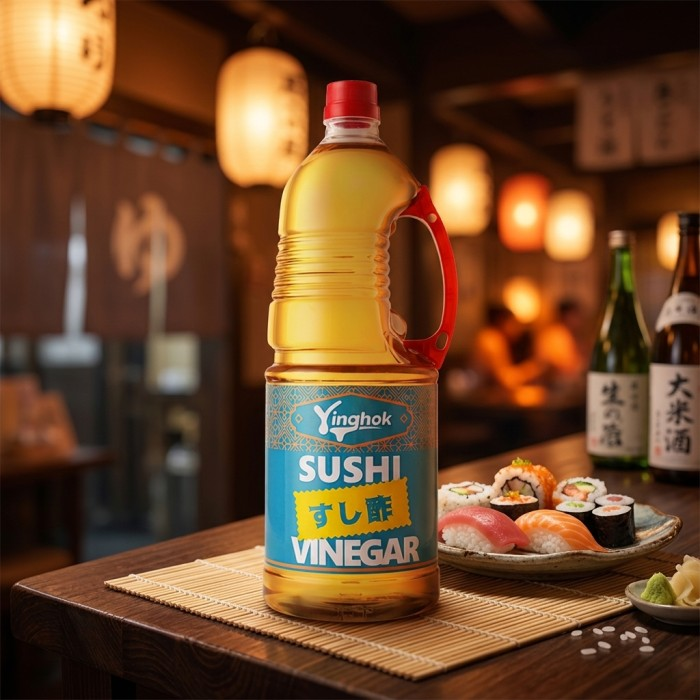
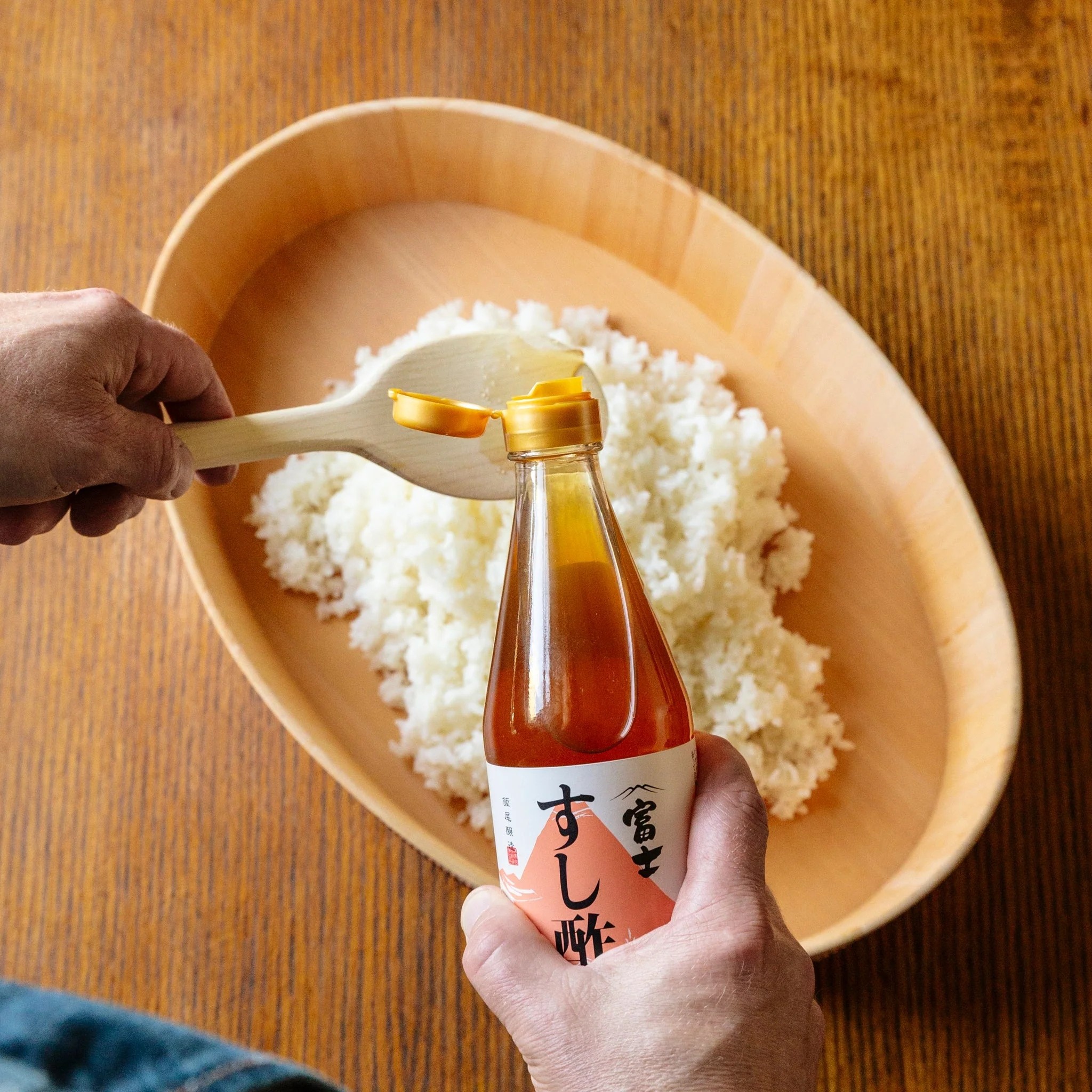
The allure of authentic Japanese cuisine has captivated palates worldwide, creating a burgeoning demand for genuine Japanese seasonings. For businesses seeking to enrich their product offerings with the unique umami, delicate sweetness, and pungent notes characteristic of Japanese culinary arts, mastering the import process is paramount. At Yinghok, we understand the intricacies of international trade and are committed to guiding you through every critical juncture, ensuring a seamless and profitable venture into the world of Japanese seasoning imports. This definitive guide will meticulously outline each step, transforming a complex process into a clear, actionable roadmap for success.
Understanding the Japanese Seasonings Market Landscape
Before embarking on the importation journey, a thorough understanding of the Japanese seasonings market is indispensable. This segment is remarkably diverse, encompassing foundational elements like shoyu (soy sauce), miso (fermented soybean paste), mirin (sweet cooking sake), and dashi (broth base), alongside an array of specialized items such as ponzu, yuzu kosho, sansho pepper, furikake, and various types of vinegars and oils. Each product boasts distinct regional variations, fermentation processes, and quality grades, directly influencing its market value and application.
We must first identify the specific seasonings that align with your target market's demands and your business model. Are you catering to gourmet restaurants seeking artisanal, small-batch koji-fermented miso? Or perhaps to supermarkets requiring high-volume, standardized tamari soy sauce? Researching current culinary trends, consumer preferences, and competitive landscapes in your target region will dictate product selection. Furthermore, understanding the seasonal availability of certain ingredients or specialty products, such as fresh yuzu, can provide a competitive edge, allowing for timely procurement and strategic marketing campaigns.
Identifying and Vetting Reputable Japanese Seasoning Suppliers
The cornerstone of a successful import operation is establishing relationships with reliable and trustworthy suppliers. In Japan, supplier integrity is often exceptionally high, yet due diligence remains crucial. We recommend a multi-pronged approach to supplier identification.
Leveraging B2B Platforms and Trade Directories
Begin by exploring prominent B2B platforms such as Alibaba, Rakuten Global Express (for some products), or specialized Japanese food export directories. While these can provide initial leads, direct contact with Japanese trading companies specializing in food exports is often more effective. These companies possess invaluable expertise in navigating export regulations, logistics, and cultural nuances. Trade organizations like JETRO (Japan External Trade Organization) also offer extensive databases and support for international buyers seeking Japanese products, often facilitating introductions to vetted manufacturers and wholesalers.
Attending International Food Trade Shows
Participating in international food trade shows is an unparalleled opportunity for direct engagement. Events such as FOODEX Japan, Gulfood in Dubai, or various Fancy Food Shows in the US often feature Japanese pavilions where producers showcase their latest innovations and traditional offerings. This face-to-face interaction allows for product sampling, direct negotiation, and the invaluable process of building rapport, which is highly regarded in Japanese business culture. At Yinghok, we frequently advise our partners on which trade shows offer the most strategic advantages for their specific import goals.
Crucial Supplier Vetting Criteria
Once potential suppliers are identified, a rigorous vetting process is essential. We strongly recommend evaluating:
Certifications: Verify adherence to international food safety standards such as HACCP, ISO 22000, FSSC 22000, or relevant organic certifications (e.g., JAS Organic for Japan, USDA Organic, EU Organic) if applicable. These certifications are non-negotiable indicators of a supplier's commitment to quality and safety.
Production Capacity and Consistency: Assess their ability to meet your volume requirements consistently, especially for recurring orders. Request production schedules and historical delivery records.
Minimum Order Quantities (MOQs): Understand their MOQs and evaluate if they align with your initial import strategy. Some artisanal producers may have higher MOQs or require larger initial commitments.
Communication Proficiency: Effective communication is vital. Assess their responsiveness, clarity in English (or your preferred language), and willingness to address inquiries thoroughly.
Export Experience: Suppliers with established export departments are often better equipped to handle documentation, customs procedures, and international logistics, streamlining your process.
References: Request references from other international buyers to gain insights into their reliability and service quality.
Navigating Regulatory Compliance for Importation
Regulatory compliance is arguably the most critical and complex phase of importing Japanese seasonings. Each target market (e.g., USA, EU, Canada, Australia) has its own specific set of laws governing food imports, which can vary significantly even for similar products. Ignorance of these regulations can lead to costly delays, product seizure, or even legal penalties.
Understanding Destination Country Regulations
We must thoroughly research the specific import requirements of your destination country. This typically involves:
Food Safety Agencies: Familiarize yourself with the relevant governmental bodies (e.g., FDA in the USA, EFSA for the EU, CFIA in Canada, FSANZ in Australia). Their websites are primary sources for comprehensive guidelines.
Permits and Licenses: Determine if special import permits or licenses are required for certain food categories. Some fermented products or those containing animal-derived ingredients might have stricter controls.
Ingredient Restrictions: Verify that all ingredients used in the Japanese seasonings are approved for consumption in your target market. Certain food additives or novel ingredients legal in Japan might be restricted elsewhere.
Pest and Disease Control: Products derived from plant or animal sources may require phytosanitary certificates or health certificates to prevent the introduction of pests or diseases. Your Japanese supplier will typically facilitate these.
Mandatory Labeling Requirements
Accurate and compliant labeling is non-negotiable. We must ensure that all imported seasonings meet the labeling standards of your destination country, which typically include:
Product Name and Brand: Clear identification.
Net Quantity: Weight or volume.
Ingredient List: In descending order by weight, using common names.
Allergen Declaration: Prominent disclosure of common allergens (e.g., wheat, soy, fish for dashi).
Nutrition Information: A standardized Nutrition Facts panel.
Country of Origin: Clearly stating "Product of Japan."
Manufacturer/Distributor Information: Name and address of the Japanese producer and your company as the importer/distributor.
Storage Instructions: Recommendations for optimal shelf life.
Lot Number and Expiration Date: For traceability and safety.
Mislabeling is a frequent cause of import rejection. We recommend engaging with a local food safety consultant or customs broker who specializes in your destination country's food regulations to review all product labels before production and shipment. Yinghok often assists clients in connecting with these specialized experts to ensure absolute compliance.
Logistics and Shipping: Ensuring Safe and Timely Transit
Efficient logistics are the backbone of international trade. The proper handling, packaging, and transportation of Japanese seasonings are paramount to preserving their quality and ensuring timely delivery.
Choosing the Right Shipping Method
We must evaluate the trade-offs between sea freight and air freight:
Sea Freight: Generally more cost-effective for large volumes and heavier shipments. It is suitable for non-perishable seasonings with long shelf lives. However, transit times are significantly longer (typically 3-6 weeks from Japan to major ports). We recommend FCL (Full Container Load) for substantial quantities or LCL (Less than Container Load) for smaller shipments, where your goods share container space.
Air Freight: Offers faster transit times (a few days) and is ideal for smaller, higher-value, or time-sensitive perishable seasonings. The cost per unit is substantially higher.
Packaging and Temperature Control
Japanese seasonings, especially those in glass bottles (e.g., specialty soy sauces, mirin) or requiring refrigeration (e.g., some types of miso), demand robust packaging and meticulous temperature control.
Packaging: Suppliers should use sturdy cartons, appropriate cushioning (e.g., bubble wrap, foam inserts), and pallets that meet international shipping standards (e.g., ISPM 15 certified for wood pallets).
Temperature Control (Cold Chain): For temperature-sensitive products, refrigerated containers (reefers) are essential. Maintain vigilance over temperature monitoring throughout the journey from the supplier's warehouse to your own. Detailed temperature logs and monitoring devices are advisable.
Incoterms and Freight Forwarders
Incoterms: Clearly define the Incoterms (International Commercial Terms) with your supplier. These specify who is responsible for the cost and risk at each stage of the shipping process (e.g., FOB, CIF, EXW, DDP). For most importers, we recommend FOB (Free On Board) as a common starting point, where the supplier bears costs and risks until the goods are loaded onto the vessel at the port of origin.
Freight Forwarders: Engage a reputable freight forwarder with experience in food imports from Japan. They will manage customs documentation, cargo booking, warehousing, and inland transportation, significantly simplifying the logistics process. A good freight forwarder can offer invaluable advice on optimizing routes and managing potential disruptions. Yinghok maintains strong relationships with premier freight logistics providers to ensure our clients' shipments are handled with expert care.
Financial Considerations and Payment Structures
Effective financial management is paramount for profitability in import operations. This includes budgeting for all associated costs and establishing secure payment methods.
Comprehensive Cost Analysis
Beyond the unit cost of the seasonings, we must account for:
International Shipping Costs: Freight, insurance, fuel surcharges.
Customs Duties and Taxes: Tariffs specific to your product and destination country, VAT, sales tax.
Port Charges: Terminal handling, demurrage, storage.
Customs Broker Fees: For professional clearance services.
Local Transportation: From port to your warehouse.
Import Permits and Licenses: Application fees.
Quality Inspection Fees: If third-party inspections are utilized.
Currency Exchange Fees: Conversion costs from JPY to your local currency.
Contingency Fund: Allocate 5-10% for unforeseen circumstances.
A detailed landed cost analysis for each product will provide a true picture of its final cost, allowing for accurate pricing and margin calculation.
Secure Payment Methods
Japanese suppliers generally prefer secure and transparent payment methods:
Wire Transfers (T/T - Telegraphic Transfer): Common for established relationships. An upfront deposit (e.g., 30-50%) is typically required, with the balance paid upon shipment or receipt of goods.
Letters of Credit (L/C): Offer the highest level of security for both parties, as payment is guaranteed by banks upon fulfillment of specified conditions. While more complex and costly, L/Cs are advisable for large initial orders or when working with new suppliers.
Online Payment Platforms: For smaller orders, some suppliers might accept platforms like PayPal or specialized international payment services, though transaction fees can be higher.
We advise negotiating favorable payment terms that balance security with cash flow management. Building trust over time can lead to more flexible terms.
Quality Control and Assurance Strategies
Maintaining the impeccable quality of imported Japanese seasonings is non-negotiable for building customer trust and brand reputation. Proactive quality control (QC) measures are essential throughout the entire supply chain.
Pre-Shipment Inspections (PSI)
We strongly recommend conducting pre-shipment inspections by an independent third party in Japan. This involves:
Product Specification Verification: Ensuring the products match your agreed-upon specifications, including ingredients, formulations, and packaging.
Quantity Check: Verifying the exact count of items.
Label Compliance: Confirming labels meet all destination country requirements before they leave the factory.
Packaging Integrity: Inspecting for damage, proper sealing, and appropriate protective measures.
Batch and Date Code Checks: Verifying lot numbers and expiration dates for traceability and shelf-life compliance.
Sampling for Lab Testing: If necessary, collecting samples for independent laboratory analysis (e.g., microbiological tests, nutritional analysis) to confirm safety and composition.
Certifications and Documentation
Ensure that your supplier provides all necessary Certificates of Analysis (COA) for each batch, detailing nutritional information, allergen declarations, and microbiological purity. Health certificates and Phytosanitary Certificates (if applicable) are also critical documents for customs clearance and demonstrating product safety. A robust documentation process, meticulously reviewed by Yinghok, ensures every product entering your market meets the highest standards.
Post-Arrival Quality Checks
Upon arrival at your facility, conduct immediate post-arrival checks. Inspect for any transit damage, temperature excursions (if applicable), and reconcile quantities against shipping documents. Store products according to recommended conditions to maintain their integrity and shelf life. A dedicated quality assurance protocol for inbound shipments protects your investment and your brand.
Building Lasting Supplier Relationships
In Japanese business culture, relationships (kankei) are highly valued. Cultivating strong, long-term partnerships with your Japanese suppliers is not merely beneficial; it is often the key to sustained success and preferential treatment.
Effective Communication and Trust
Clarity and Punctuality: Always communicate clearly, concisely, and promptly. Respond to inquiries in a timely manner.
Respect Cultural Norms: Understand and respect Japanese business etiquette. Politeness, patience, and a long-term perspective are highly appreciated.
Transparency: Be transparent about your business needs, market challenges, and any feedback, positive or constructive.
Regular Check-ins: Maintain regular contact, not just when placing orders. Show interest in their business and market.
Fairness and Reciprocity
Be a fair and equitable partner. Adhere to agreed-upon payment terms, communicate changes proactively, and be open to mutual problem-solving. A relationship built on trust and mutual respect can lead to numerous benefits, including priority access to new products, preferential pricing, and greater flexibility during unforeseen circumstances. At Yinghok, we emphasize that nurturing these relationships is an investment that yields significant dividends over time.
Marketing and Distribution of Your Imported Seasonings (Yinghok's Expertise)
Once your authentic Japanese seasonings have successfully navigated the import process, the final, crucial stage is their effective marketing and distribution within your target market. Your high-quality products deserve a robust strategy to reach the right consumers.
Crafting a Compelling Brand Narrative
Highlight the authenticity, heritage, and unique qualities of your imported seasonings. Emphasize their origin in Japan, the traditional methods of production, and the specific culinary applications. Storytelling can differentiate your brand significantly. Detail how these seasonings enhance flavor profiles, bringing a true taste of Japan to home cooks and professional chefs alike. For example, highlight the craftsmanship behind a single-origin shoyu or the regional distinctiveness of a particular miso variety.
Strategic Distribution Channels
We must identify the most effective channels to reach your target audience:
Retail: Partner with specialty food stores, Asian markets, gourmet supermarkets, and conventional grocery chains.
Foodservice: Target restaurants, catering companies, and culinary schools that value authentic ingredients.
E-commerce: Develop a robust online presence through your own website and leverage major e-commerce platforms. High-quality product photography, detailed descriptions, and user reviews are critical here.
Wholesale: Offer bulk options for businesses that require larger quantities for their own production or resale.
Promotional Activities
Implement a diverse marketing mix to drive awareness and sales:
Content Marketing: Create recipes, cooking videos, and blog posts that showcase the versatility and proper use of the seasonings.
Social Media Engagement: Utilize platforms like Instagram, Facebook, and TikTok to share visually appealing content, run contests, and engage with food enthusiasts.
Influencer Collaborations: Partner with food bloggers, chefs, and culinary influencers to reach a broader, engaged audience.
In-store Demos and Tastings: Offer opportunities for customers to experience the flavors firsthand.
PR and Media Outreach: Secure features in food publications, culinary magazines, and online gastronomic portals.
Yinghok offers strategic insights into market entry and brand positioning, ensuring your imported Japanese seasonings resonate deeply with consumers. We assist in crafting marketing narratives that celebrate the rich culinary traditions of Japan, connecting your products with discerning palates and building a loyal customer base.
Conclusion: Your Partner in Japanese Seasoning Imports
Successfully importing Japanese seasonings is a venture that demands meticulous planning, unwavering attention to detail, and a deep understanding of international trade dynamics. From the initial market analysis and the diligent vetting of suppliers to navigating complex regulatory landscapes, mastering logistics, managing finances, and implementing stringent quality control, each step is integral to your triumph. At Yinghok, we stand as your dedicated partner, providing the expertise and guidance necessary to navigate this intricate process with confidence and clarity.
By following this comprehensive guide, you're doing more than importing products—you’re bringing the authentic flavors of Japanese cuisine to your market with confidence. A reliable manufacturing partner can help you build a resilient supply chain, ensure consistent quality, and support your long-term business growth. Whether you're looking for OEM services, private label solutions, or wholesale Japanese seasonings, Yinghok is here to help. Contact our team today to discuss your sourcing needs and discover how we can support your next import project.
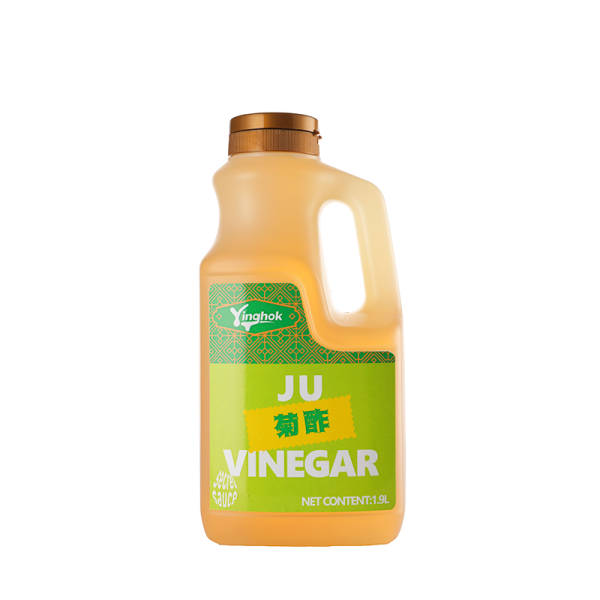
Our chrysanthemum vinegar combines natural floral aroma with clean acidity, delivering a unique and refreshing flavor profile. It is ideal for premium dressings, beverages, cold dishes and creative culinary applications.
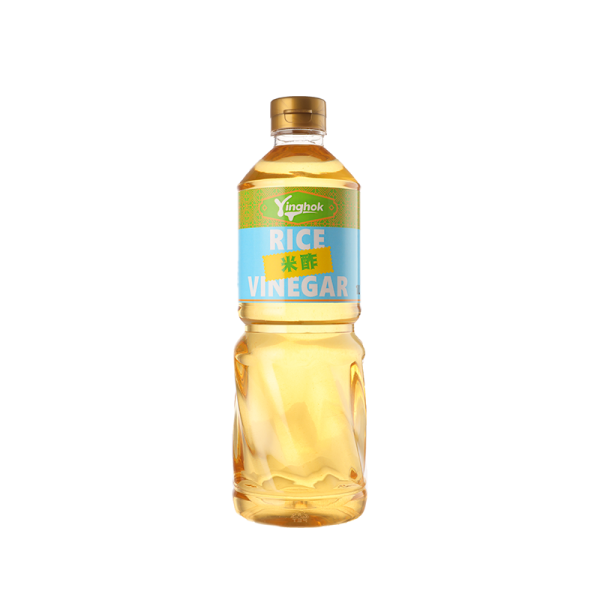
Versatile rice vinegar for home use, perfect for salads, sushi rice, marinades and dipping sauces. Our rice vinegar is carefully brewed to deliver clean acidity, mild aroma and balanced taste, making it ideal for sushi rice, pickled vegetables, sauces and ready-to-eat meals.
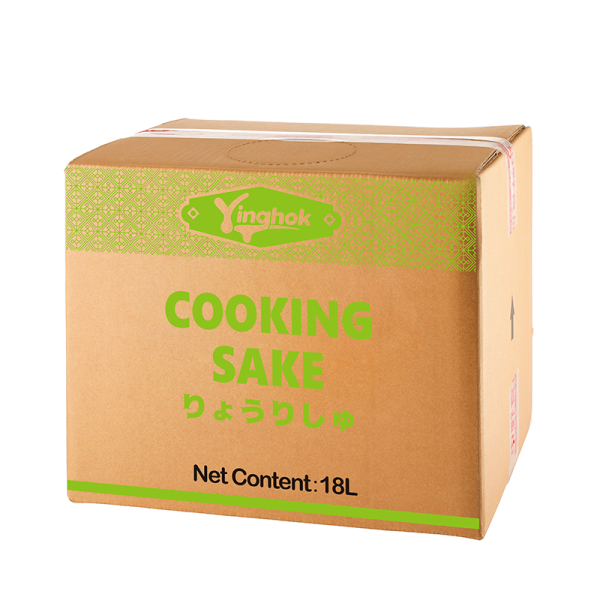
Our cooking sake is formulated to effectively remove odors, enhance umami and improve overall flavor balance in large-scale food production. It is widely used in meat processing, seafood preparation, ramen soup bases and Japanese sauce manufacturing.
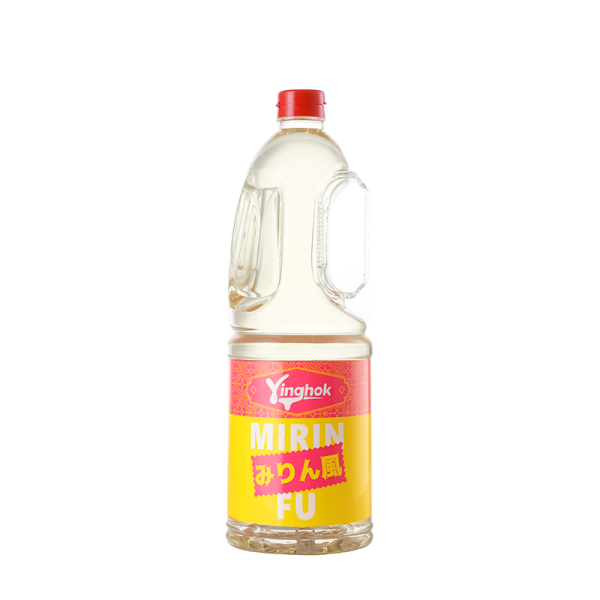
Mirin Fu (Aji-Mirin) is a cost-effective alternative to Hon Mirin, widely used in food service, central kitchens and food manufacturing. Compared with traditional Hon Mirin, Mirin Fu contains little or no alcohol, making it suitable for alcohol-restricted markets and large-scale industrial applications.