Japanese Seasoning Manufacturer: What Can Be Customized?
- Share
- publisher
- Yinghok
- Issue Time
- Aug 15,2026
Summary
A practical B2B guide to what a Japanese seasoning manufacturer can customize: flavor and functional adjustments, packaging and labels, private label and OEM programs, certification due diligence, and the route from sample to mass production.
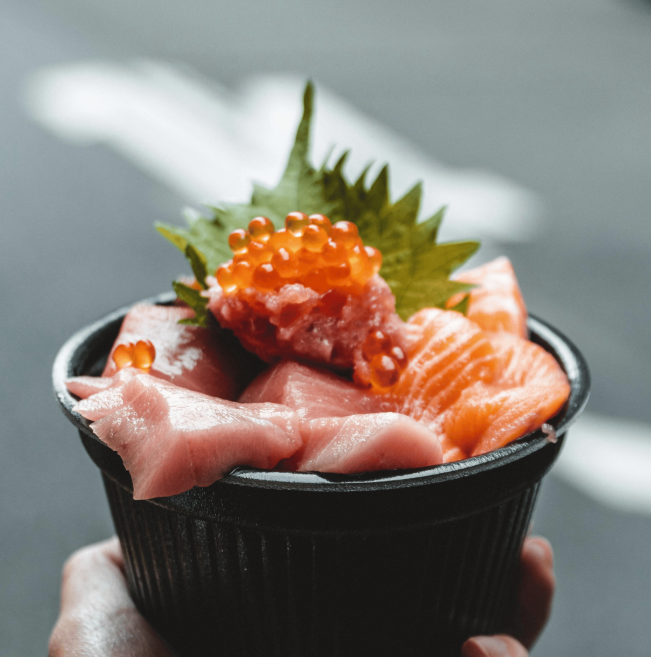
For food importers, restaurant groups, foodservice distributors, retail brands and wholesalers, "custom Japanese seasoning" means more than changing a label. A commercially viable seasoning program must fit a target menu or product, a defined market, an approved ingredient and allergen profile, a practical pack format, and a repeatable production specification. That is why the right Japanese seasoning manufacturer should be evaluated as a development and supply-chain partner, not simply as a catalog seller. Buyers may need to adjust salt, sweetness, acidity, umami, alcohol content, viscosity, color, flavor intensity or serving format. They may also require multilingual labeling, private-label packaging, portion control, export documentation and a clear approval process before placing a wholesale order. Yinghok's public Japanese seasoning range includes rice vinegar, sushi vinegar, Hon Mirin, Mirin Fu, cooking sake and grain vinegar, alongside OEM/ODM and wholesale solutions for foodservice, restaurants and retail brands. Before placing an order, buyers should confirm the final formula, technical documents, MOQ, lead time, shelf life and certification scope directly for each project. A useful starting point is to identify the role the seasoning will play in the buyer's product or operation. A restaurant chain may need a stable sushi-vinegar profile for central-kitchen rice preparation. A retail brand may need a smaller bottle, a more accessible sweetness level and a multilingual label. A food manufacturer may require a bulk format, controlled acidity and a specification that integrates with an existing sauce or marinade. The table below is a practical scoping framework for a buyer brief; it is not a promise that every option is available in every market or at every order quantity. Yinghok's custom Japanese seasonings page is the most relevant starting point for discussing vinegar, mirin, cooking sake and related programs. To compare a wider range, buyers can also explore the company's custom Asian cooking sauces, particularly when a Japanese seasoning is one component of a broader Asian sauce range. Salt level is one of the most commercially sensitive variables. A lower-sodium profile may be requested for retail positioning, while a restaurant chain may prioritize taste impact and operational consistency. The important procurement question is not simply whether salt can be reduced, but whether the revised formula still performs in the intended application and remains stable under proposed processing, storage and serving conditions. Acidity is especially important for rice vinegar, sushi vinegar, pickling, dressings and sauces. It affects taste, balance and application performance, but it should not be treated as a substitute for a validated food-safety control. Mirin, Mirin Fu and cooking sake are often chosen for functional reasons as well as flavor: a kitchen may want sweetness, gloss, aroma development or odor reduction; an importer may need an alcohol-free or low-alcohol alternative for a particular channel. Procurement principle: Define customization as an application specification, not as a list of isolated taste adjectives. Describe how the product will be used, diluted, brushed, marinated or incorporated, and ask for a written benchmark or reference sample. Color and viscosity can influence how a product performs on food, in a bottle or on a production line. A retail buyer may want a clean appearance and a pourable texture; a foodservice customer may prioritize viscosity that supports portion control, glazing or consistent dispensing; a food manufacturer may need a seasoning that blends predictably into a sauce, marinade or prepared meal. These requirements should be tested in the real application. A sample that tastes acceptable from a spoon may behave differently on sushi rice, grilled seafood, noodles or a chilled prepared-food line. A structured trial should record dosage, temperature, mixing sequence, holding time and sensory result to build a stronger bridge from sample approval to mass production. Packaging is part of the commercial model because it affects line efficiency, labor, freight, storage, shelf presentation and customer usage. The same seasoning can require a different pack architecture for a supermarket, a sushi restaurant, a central kitchen or a food manufacturing plant. Label customization may include brand identity, product name, ingredient declaration, allergen information, nutrition panel, net content, lot identification, storage instructions, country-of-origin information and multilingual copy. The exact mandatory content depends on the destination market. A manufacturer can support label preparation, but the importer or brand owner remains responsible for confirming local legal requirements with a regulatory adviser or competent authority. A private label program typically involves three layers: the product specification, the packaging specification and the commercial supply agreement. OEM Japanese seasonings may begin with an existing base formula, a buyer's reference product or a new development brief. For a retail brand, private label may involve a branded bottle, a multilingual label, a selected flavor profile and a defined shelf position. For a restaurant group, the priority may be a consistent bulk format that reproduces the same taste across locations. For an importer or wholesaler, the key requirement may be a stable SKU distributed across several customers without unnecessary complexity. A practical RFQ should include the target market and channel, product category, intended application, reference sample or sensory description, target pack size, estimated first order and annual volume, ingredient or allergen restrictions, desired label languages, required documentation, target launch date, and whether the project is private label, OEM adaptation or new product development. Buyers should also clarify ownership of the final formula, confidentiality, substitution approval and change-control rules. Yinghok publicly presents OEM/ODM and private-label support for Japanese seasonings and sushi sauces, and buyers can send a project inquiry for a quotation and sample plan. Food safety documentation is part of supplier qualification. FDA guidance describes HACCP as a systematic approach to identifying, evaluating and controlling food-safety hazards, while ISO 22000 sets requirements for a food-safety management system and BRCGS maintains an official Food Safety Global Standard. A procurement team should not treat a logo or a general website statement as sufficient evidence; instead, request the current certificate, certificate number, scope, site address, issue and expiry dates, and certification body details, and confirm the scope covers the relevant manufacturing activity. Halal requirements should be handled with the same discipline: ask for a current certificate from a recognized body, verify the certified site and product scope, and check whether the formula, alcohol-related ingredients, processing aids, cleaning controls and packaging materials are covered. Buyers should also request the product specification, ingredient and allergen declaration, test documentation where appropriate, storage instructions, shelf-life evidence, lot coding format and recall or traceability procedures. A disciplined development process reduces the risk that a successful sample becomes an inconsistent commercial batch: Describe the application, target market, channel, pack format, sensory profile, volume estimate, restrictions and launch timing. Confirm the requested profile, ingredient set, pack format and documentation can be supported; identify MOQ, tooling and compliance questions. Evaluate samples in the intended application and record dosage, preparation method, temperature, holding time and panel feedback. Version-control the approved formula, ingredient declaration, sensory parameters, packaging, label artwork and acceptance criteria. Ask for price basis, MOQ, case pack, lead time, payment terms, packaging assumptions, sample costs, freight terms and validity period. Agree on batch coding, inspection documents, retained sample policy and release process before shipment. For restaurant groups and institutional kitchens, Yinghok's foodservice sauce supplier solutions provide a practical starting point for discussing pack sizes, operational use and recurring supply. Before requesting a quote, procurement teams should connect the formula to the supply chain. Can the supplier adapt an existing product or develop a new formula? Which parameters can be adjusted, and which are constrained by ingredients, process or regulations? Can the supplier provide a product specification, allergen declaration and relevant test documents? What is the sample approval method, and how are formula and artwork revisions controlled? The commercial questions are equally important: the MOQ for each formula and packaging format, whether MOQ is driven by production, packaging material or printed labels, expected lead times, carton configuration for export, lot-code and shipping information, and whether the supplier can support a restaurant chain, distributor or retail rollout with the same approved specification. Finally, ask for evidence rather than broad assurances, and record pending verification items instead of converting them into marketing claims. Ready to start? Contact Yinghok's team with a concise buyer brief covering formula feasibility, sample development, MOQ, packaging, label review, technical documents, certification scope, storage conditions and estimated lead time.Which Japanese Seasonings Can Be Customized?
Japanese seasoning category Typical B2B applications Customization topics to discuss Rice vinegar and grain vinegar Sushi rice, pickling, dressings, sauce production and food processing Acidity, sweetness, aroma, color, dilution behavior, pack size and application performance Sushi vinegar Sushi rice, takeout sushi kits, central kitchens and restaurant operations Sweetness-acidity balance, ready-to-use format, rice compatibility, portion packs and label claims Hon Mirin Teriyaki, glazing, simmered dishes, marinades and Japanese sauces Sweetness, aroma, viscosity, cooking performance, pack format and target-market requirements Mirin Fu or Aji-Mirin-style seasoning Foodservice, central kitchens and industrial applications Alcohol level, sweetness, cost-performance target, viscosity, pack size and local restrictions Cooking sake Seafood, meat processing, ramen soup bases and Japanese sauce production Alcohol content, aroma, umami impact, cooking function, pack format and documentation Sushi soy sauce and related sauces Sushi and sashimi dipping, restaurant tables, meal kits and retail shelves Sodium, sweetness, color, umami, viscosity, spice, bottle design and portion control Wasabi products Sushi restaurants, catering, takeout kits and retail condiment ranges Heat level, texture, format, tube or sachet packaging and market-specific labeling 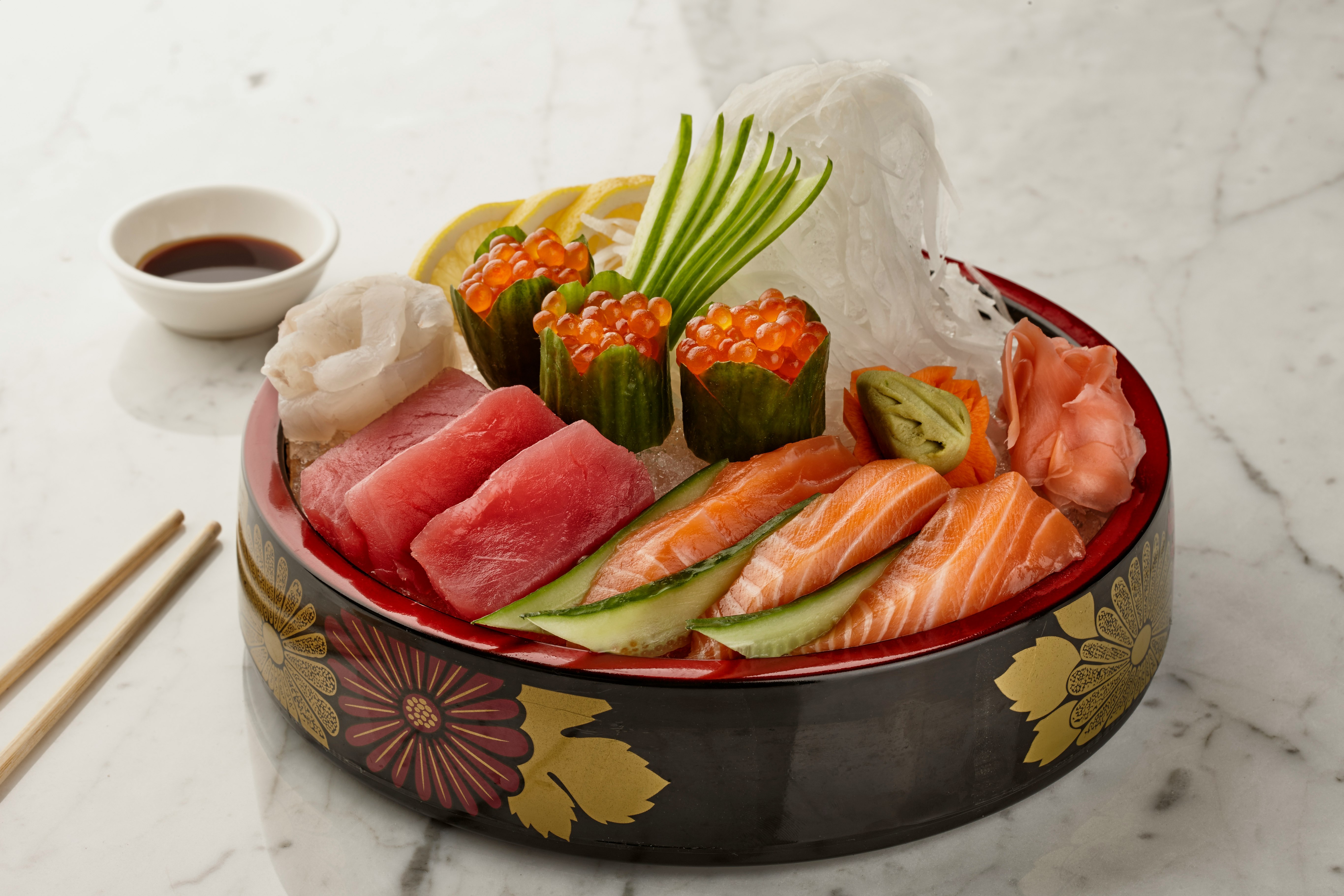
Flavor and Functional Adjustments
Salt, sweetness and umami
Acidity, aroma and cooking performance
Color, Viscosity and Format
Packaging and Label Customization
Buyer channel Packaging questions to resolve Retail brand Bottle or pouch format, fill volume, closure, shelf appearance, barcode, case pack, language panel and retailer requirements Restaurant group Kitchen-friendly size, pour control, stacking, opening and resealing, central-kitchen handling and replenishment cadence Foodservice distributor Case configuration, palletization, carton markings, damage protection, warehouse handling and customer pack preference Food manufacturer Bulk container compatibility, dosing, transfer connections, batch identification, storage conditions and production-line integration Takeout or catering program Sachet or portion pack, tear performance, serving quantity, secondary packaging and waste considerations 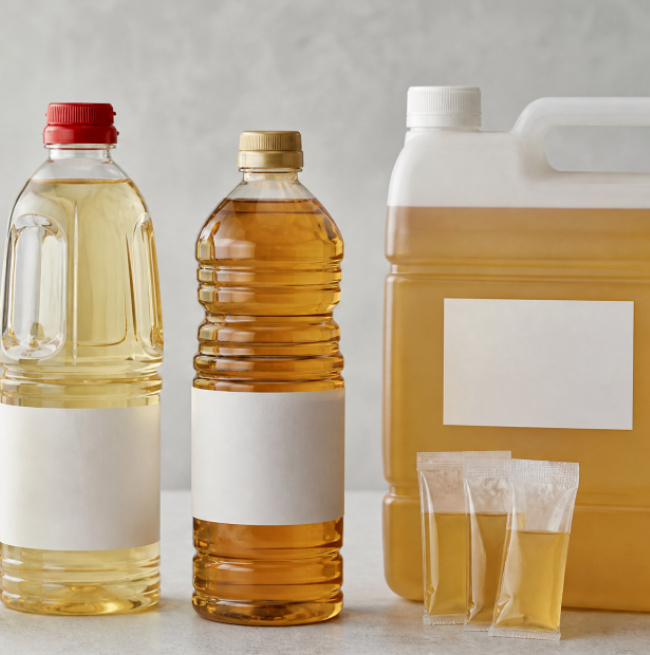
Private Label and OEM Japanese Seasonings
Food Safety, Halal and Certification Due Diligence
From Sample to Mass Production
Write the product brief
Review feasibility
Develop and test samples
Freeze the specification
Confirm the quotation
Approve first production
What Should Buyers Ask a Japanese Seasoning Supplier?