Key Considerations for Choosing a Japanese Seasoning Manufacturer
- Share
- Issue Time
- Jun 24,2026
Summary
A comprehensive guide to choosing the right Japanese seasoning manufacturer, covering MOQ, OEM/ODM capabilities, certifications, and product range considerations for B2B buyers.
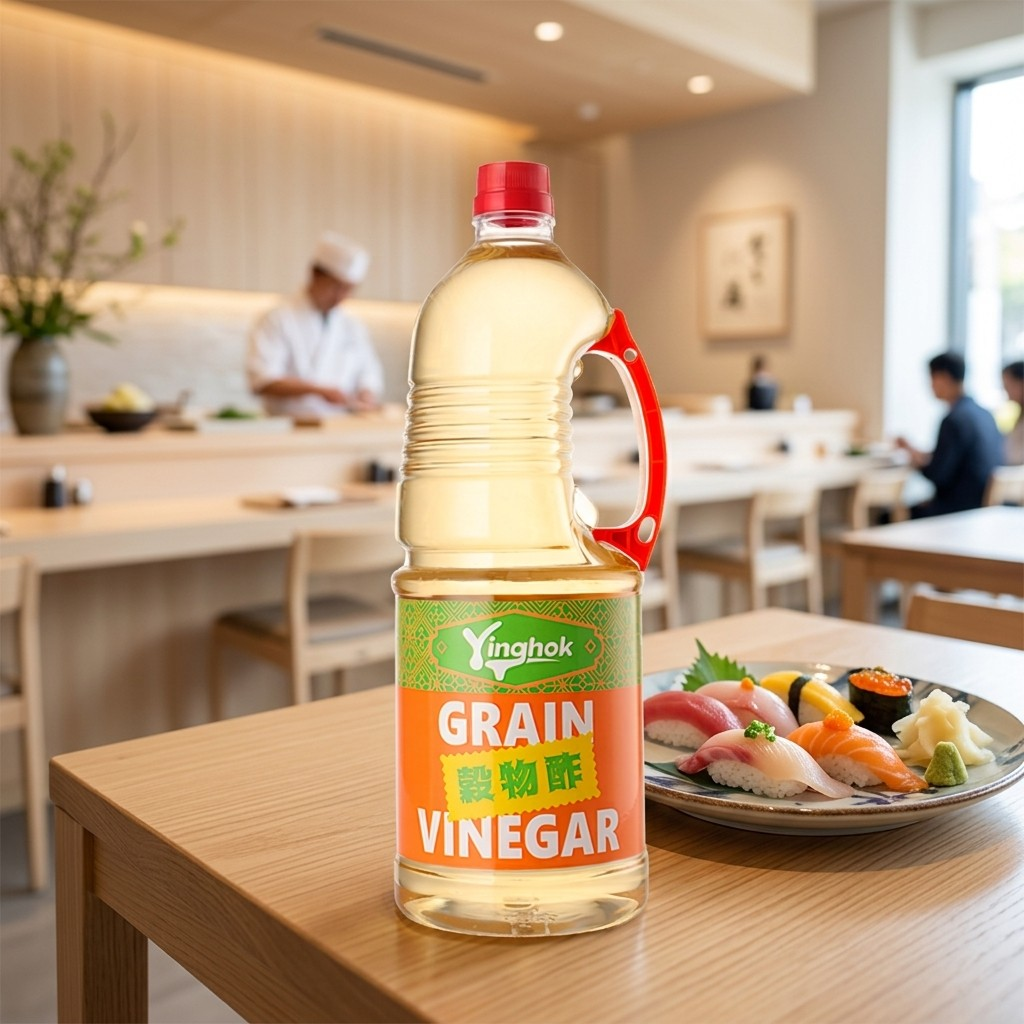
At Yinghok, we understand that this is more than just a simple sourcing task; it's about building a long-term alliance that underpins your brand integrity, operational efficiency, and market competitiveness. We rigorously evaluate numerous key factors to ensure that every partnership we recommend, and even every product we develop, meets the most stringent global benchmarks. This definitive guide delves into fundamental considerations, from practical logistics to complex quality assurance, helping you make informed choices that will undoubtedly propel your business forward.
The Indispensable Role of Minimum Order Quantity (MOQ) in Sourcing Japanese Seasonings
When working with any manufacturer, especially in the specialized field of Japanese seasonings, the Minimum Order Quantity (MOQ) is one of the primary practical considerations. This seemingly simple metric has a profound impact on your operating budget, inventory management, and strategic market entry. Manufacturers set their MOQ to ensure the economic viability of their production operations, covering costs such as raw material sourcing, labor, machine setup, and packaging. For small businesses or those trying out new product lines, a high MOQ can constitute a significant barrier to entry, tying up key capital and exposing them to the risk of excess inventory. Conversely, an excessively low MOQ may indicate immature production capacity or a lack of focus on economies of scale.
Understanding MOQ and its Financial Impact on Your Business
MOQ directly impacts your cash flow and inventory holding costs. A high MOQ requires a significant initial investment, which can strain your working capital. Furthermore, holding large inventories incurs storage costs, insurance premiums, and the risk of spoilage or obsolescence, especially for perishable or shelf-life condiments. We recommend thoroughly analyzing your expected sales velocity, storage capacity, and financial liquidity before committing to any MOQ. For example, if you are launching a new handcrafted Japanese Hon Mirin, too many initial orders could lead to prolonged inventory holding periods, reduced product freshness, and tied-up funds that could be used for marketing or other product development. We believe a prudent approach is to balance a manufacturer's MOQ requirements with your actual market demand forecasts to avoid unnecessary financial burdens.
Flexible MOQ Structures and Yinghok's Solutions
It's important to note that MOQs are not static; they can vary significantly depending on product type, packaging, and the manufacturer's specific production model. Some manufacturers may implement SKU (Stock Keeping Unit) MOQs, meaning each different product (e.g., mirin, dashi, miso paste) has its own minimum order quantity. Others may use batch MOQs, where the minimum order quantity applies to the entire production batch, allowing for the mixing of different products within that batch if they share similar processing requirements. Tiered pricing structures often accompany MOQs, meaning larger purchase volumes result in more favorable unit costs. We've observed that some manufacturers offer lower MOQs for their standard off-the-shelf products, while custom recipes or OEM services typically require higher minimum order quantities due to the need for specialized setup and development. Understanding these nuances facilitates more effective negotiation and strategic planning.
Yinghok understands the importance of flexibility. We offer low minimum order quantities (MOQ), with some custom orders starting at 25 cartons, making it easy for businesses of all sizes to collaborate. This flexibility is designed to support the needs of B2B buyers at every stage, ensuring you can test the market or launch new products without incurring excessive inventory risk.
Strategies for Effectively Negotiating MOQ and Building Relationships
Effective MOQ negotiation is a skill that can yield significant benefits. While a manufacturer's stated MOQ may seem stringent, there is often room for flexibility, especially for promising long-term partnerships. We recommend initiating discussions by clearly articulating your business plan, growth projections, and commitment to continued collaboration. For startups or businesses testing new markets, requesting samples or small-batch trial production may be a viable strategy, although unit costs may be higher.
Some manufacturers may be willing to compromise on the MOQ if you are willing to use their standard packaging or slightly modify the specifications you require. Building rapport and demonstrating a clear understanding of their operational limitations can also foster a more collaborative environment. At Yinghok, we champion transparent communication and strategic coordination to bridge the gap between your needs and manufacturer capabilities, ensuring mutually beneficial agreements on minimum order quantities.
Leveraging Superior Customization: The Power of OEM Services in Japanese Seasoning Production
Original Equipment Manufacturer (OEM) services are a valuable asset for brands aspiring to create a unique market identity or develop highly specialized culinary products. OEM collaborations go far beyond simply purchasing existing products; they represent deep collaborative engagement, with manufacturers producing goods to your precise specifications, often under your own brand name.
In the vibrant world of Japanese seasonings, subtle differences in fermentation, ingredient ratios, and regional characteristics can define authenticity and appeal. Strong OEM services offer unparalleled opportunities for differentiation and market leadership.
The Definition of OEM in the Context of Premium Japanese Seasonings
OEM services for Japanese seasonings can encompass a wide range of customization options. This might include developing entirely new recipes from scratch, such as proprietary umami broth blends with specific ratios of kelp and carp, or unique yuzu vinegar with precise sweet and sour characteristics. It also extends to adjusting existing formulas to meet specific dietary requirements (e.g., low-sodium soy sauce, gluten-free miso paste) or tailoring flavors for specific target markets. Beyond the product itself, OEM services typically include custom packaging design, labeling, and even specialized ingredient sourcing. We believe the ideal OEM partner not only possesses advanced manufacturing capabilities but also a deep understanding of Japanese culinary traditions and innovative ingredient science.
Yinghok boasts over 20 years of expertise in Japanese flavors and possesses strong OEM and ODM capabilities. Our professional R&D team can bring your projects to life based on your formulas and samples, collaboratively developing authentic Asian flavors to help you achieve market success.
The Undeniable Advantages of Custom Formulas and Private Labels
A key advantage of participating in Japanese seasoning OEM is the ability to achieve unparalleled product differentiation. In a highly competitive market, generic products struggle to win consumer loyalty. Custom formulas allow your brand to offer a unique taste experience that competitors cannot replicate, creating a unique market niche.
Private labels strengthen your brand image, building brand equity and consumer trust directly through your specific product line. This control over product formulation, quality, and branding enables you to build a strong brand narrative, whether you're focusing on organic soy sauce, handcrafted red miso, or innovative teriyaki sauce. At Yinghok, we advocate for brands to carve out their own unique space using OEM services, turning proprietary blends into a competitive advantage.
Yinghok offers private label services, including custom formulations, labeling, and packaging, helping you build your own Japanese seasoning brand.
The Iterative Process of OEM Collaboration: From Concept to Commercialization
Successfully executing an OEM project requires a structured and collaborative approach. The process typically begins with a detailed concept development phase, where your vision and required product specifications are meticulously outlined. This is followed by an intensive R&D phase, during which the manufacturer's culinary scientists and food technicians develop prototypes. Then, multiple rounds of sampling and sensory evaluation are crucial, allowing for iterative improvements until the flavor, texture, and aroma precisely match your expectations. Rigorous quality control checkpoints are maintained throughout the entire process, from raw material sourcing to final packaging, ensuring consistency and compliance with your standards. We emphasize the importance of continuous communication and a clear feedback loop to ensure the final product perfectly aligns with your brand vision.
Yinghok's OEM/ODM process is clear and efficient, including: initial consultation and needs confirmation, sample development and flavor optimization (completed within 1-2 weeks), detailed quotation and contract signing, packaging and label design, large-scale production and quality control (microbiological, chemical, and sensory testing), and global logistics delivery and after-sales support.
Protecting Intellectual Property and Ensuring Confidentiality
When you entrust your unique formula and brand identity to a manufacturer, intellectual property (IP) protection and strict confidentiality are paramount. Reputable Japanese seasoning manufacturers providing OEM services will have robust agreements in place to protect your formulas, brand elements, and trade secrets. This typically involves confidentiality agreements (NDAs) and detailed contracts that clearly define formula ownership and provide legal recourse in case of breach. We understand that your unique seasoning blends are proprietary assets, and we strongly recommend partnering with manufacturers who are unwavering in their commitment to protecting your innovation and maintaining absolute discretion throughout the OEM collaboration process.
Ensuring Quality and Compliance: The Non-Negotiable Nature of Certification
In the global food industry, certifications are more than just marks of approval; they are fundamental statements of a manufacturer's commitment to quality, safety, and ethical production practices. For Japanese seasonings sold internationally, the required and beneficial certifications can be complex, but they are absolutely non-negotiable. These qualifications provide consumers, retailers, and regulators with verifiable assurance that products meet specific standards, thereby reducing risk and building valuable trust. At Yinghok, we firmly believe that rigorous certification is the cornerstone of a reputable and sustainable supply chain.
Global Food Safety Standards: HACCP, ISO 22000, and FSSC 22000
For any manufacturer aspiring to supply Japanese seasonings globally, compliance with internationally recognized food safety standards is crucial.
- HACCP (Hazard Analysis and Critical Control Points) is a systematic preventative approach to addressing food safety issues related to biological, chemical, and physical hazards during the production process. It is typically a minimum requirement for global food importers.
- ISO 22000 is a broader, internationally recognized standard that specifies the requirements for a food safety management system, encompassing HACCP principles and extending to organizational management.
- FSSC 22000 (Food Safety Management System Certification) is built upon ISO 22000 and is recognized by the Global Food Safety Initiative (GFSI), making it one of the most comprehensive and stringent certifications for food manufacturers. Manufacturers holding FSSC 22000 demonstrate their exceptional commitment to food safety management throughout their operations. We insist that our partners possess at least one of these robust food safety management systems to ensure the continued safety and quality of every batch of Japanese seasonings.
Yinghok strictly adheres to international quality and food safety standards, and all its custom-made cooking sauces fully comply with global market requirements, including HACCP, FDA, and BRC certifications.
Meeting Consumer Demand for Organic and Non-GMO Certification
With increasing consumer awareness of health, sustainability, and ingredient transparency, organic and non-GMO certifications have become powerful market differentiators.
- Organic certifications (e.g., USDA Organic, EU Organic, Japan JAS Organic) ensure that ingredients are grown without the use of synthetic pesticides, herbicides, or GMOs, and that processing complies with stringent organic guidelines. These certifications are crucial for premium organic soy sauce or organic mirin.
- Non-GMO Project Verified is a widely recognized standard that demonstrates a product is manufactured according to best practices for avoiding genetically modified ingredients.
- Offering products with these certifications allows your brand to cater to the rapidly growing consumer base that values natural, ethically produced foods. We believe these certifications are not just a compliance checklist, but a testament to a commitment to superior ingredient quality and environmental management.
Yinghok's products meet Non-GMO standards and are also available with Halal certification to meet the needs of diverse markets and consumers.
Expanding Market Access with Dietary and Allergen-Specific Certifications
To penetrate diverse markets and meet specific consumer needs, various diet and allergen-specific certifications are becoming increasingly important.
- Halal certification assures Muslim consumers that products comply with Islamic dietary laws, covering ingredients, preparation, and hygiene. For Japanese seasonings (such as dashi or miso) that may contain animal-derived ingredients or alcohol, Halal certification significantly expands market access.
- Kosher certification aligns with kosher dietary laws.
- Gluten-free certification is crucial for products targeting celiac disease patients or those with gluten sensitivity, ensuring strict controls to prevent cross-contamination. With the increasing prevalence of food allergies, certifications that are free of common allergens (e.g., soy-free, nut-free) can also be highly valuable. At Yinghok, we guide our partners to actively pursue these professional certifications, recognizing their profound impact on the inclusivity and market penetration of authentic Japanese seasonings.
Yinghok offers Halal and gluten-free options, ensuring products meet a wide range of dietary requirements.
Managing Complex Import/Export Compliance
In addition to food safety and dietary certifications, manufacturers must have a deep understanding of international import/export regulations. Each country has its own unique food safety laws, labeling requirements, and import tariffs. Skilled Japanese seasoning manufacturers are adept at navigating these complexities, providing necessary documentation such as certificates of origin, phytosanitary certificates, and accurate nutritional information that meets the standards of the target country.
They should also demonstrate expertise in customs clearance procedures and international logistics. We prioritize partners actively involved in global regulatory frameworks to ensure the smooth, compliant, and efficient delivery of Japanese seasoning products to any destination worldwide.
Yinghok has global export experience, serving clients in Asia, Europe, North America, and the Middle East, and provides comprehensive technical documentation, nutritional information, safety data sheets (SDS), and regulatory compliance documentation.
Broadening Culinary Horizons: Assessing a Manufacturer's Product Range and Innovation Capabilities
The true hallmark of a leading Japanese seasoning manufacturer lies not only in its production capacity but also in its dynamic and diverse product range and proven innovation capabilities. For a company like Yinghok, which strives for excellence For brands with a strong sense of responsibility, partnering with a manufacturer that offers both rich traditional flavors and forward-thinking culinary solutions is crucial. This versatility ensures your product portfolio remains vibrant, meeting classic consumer expectations while adapting to emerging market trends.
The Diversity and Authenticity of Traditional Japanese Seasonings
The cornerstone of any exceptional Japanese seasoning manufacturer's product lies in its mastery of traditional staples. This includes a comprehensive selection:
- Shoyu: From light to dark flavors, gluten-free tamari, and special varieties such as double-brewed soy sauce. Authenticity lies in traditional fermentation methods and regional variations.
- Miso Pastes: A wide variety, including shiro, aka, shinshu, and awase, each with unique flavor characteristics, fermentation time, and ingredient base (rice, barley, soybeans).
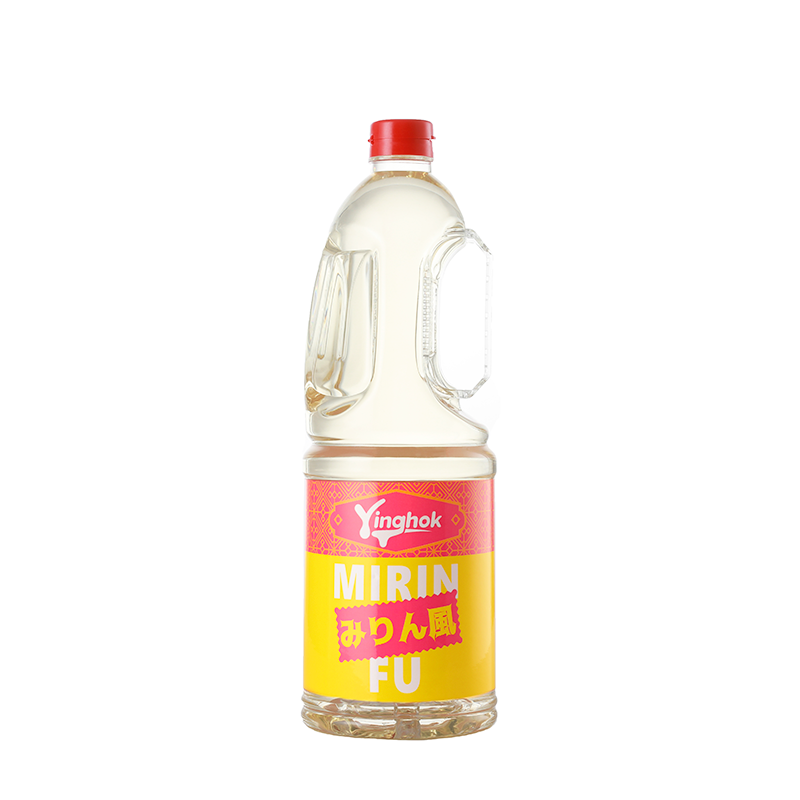
- Mirin: Includes hon-mirin (authentic mirin) and mirin-fu, used to add sweetness and shine.
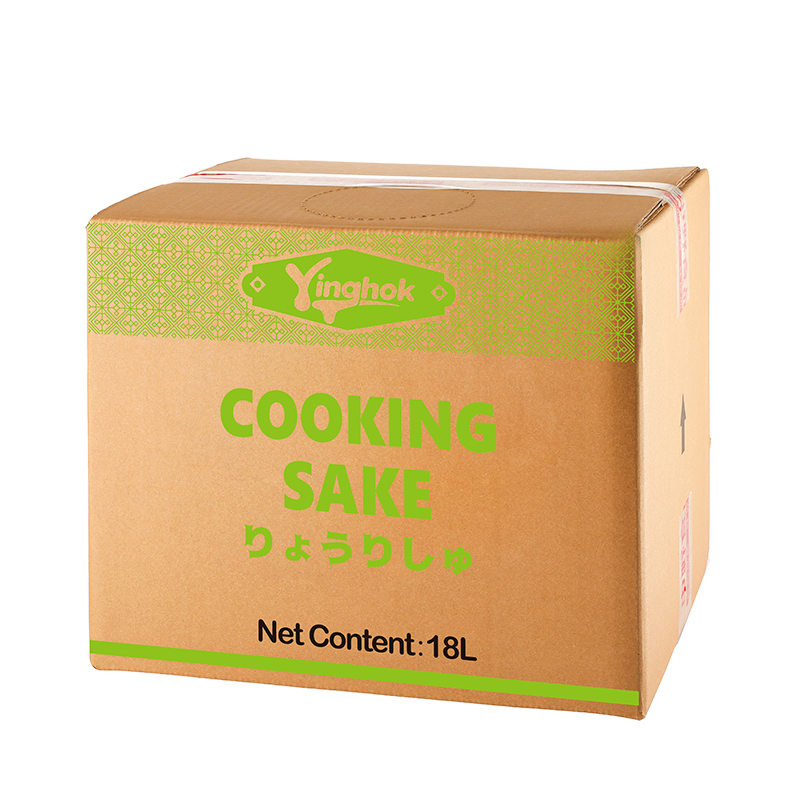
- Cooking Sake: Used to remove fishy smells, add umami, and balance flavors.
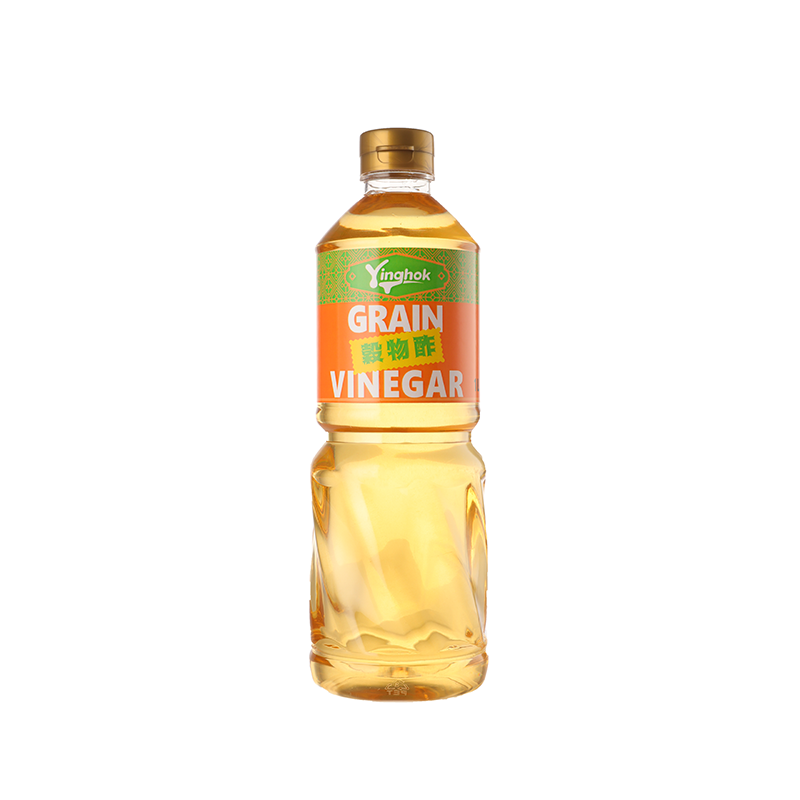
- Rice Vinegar: Used for sushi rice, marinating, and seasoning.
Yinghok's product range covers classic Japanese seasonings such as cooking sake, hon-mirin, rice vinegar, and grain syrup seasonings. We focus on the research, customization, and production of high-quality seasonings and Asian-style sauces, alcoholic beverages, and specialty condiments.
Innovation and Customization: How Yinghok Leads the Trend
In addition to traditional products, Yinghok also offers a range of customized Asian cooking sauces, customizable according to acidity, sweetness, color, etc., and provides sushi seasoning mixtures, mirin substitutes, etc. Our R&D team can work with you to develop authentic Asian flavors based on your recipes and samples, helping you achieve market success.
In summary, choosing the right Japanese seasonings manufacturer is key to your business success. By carefully considering minimum order quantities, OEM capabilities, quality certifications, and product innovation, you can find a partner who can support your growth and meet market demands.
Yinghok, a leading Asian sauce manufacturer, boasts over 20 years of experience in developing Japanese flavors, offering flexible MOQs, strong OEM/ODM capabilities, comprehensive international certifications (HACCP, FDA, BRC, Halal), and global export services. We are committed to building a happy food culture with our global partners, enriching the world's tables with our sauces and condiments.
Contact Yinghok today for customized Japanese condiment solutions to collaboratively innovate your menus and products!