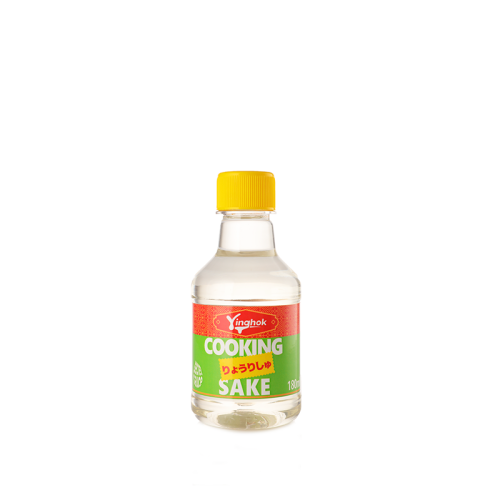
Wholesale Cooking Sake Manufacturer | OEM & Private Label Japanese Ryori-shu
- Model
- KS-TL-05
Item specifics
- Alcohol content
- 13.5%vol
- Shelf life
- 24 months
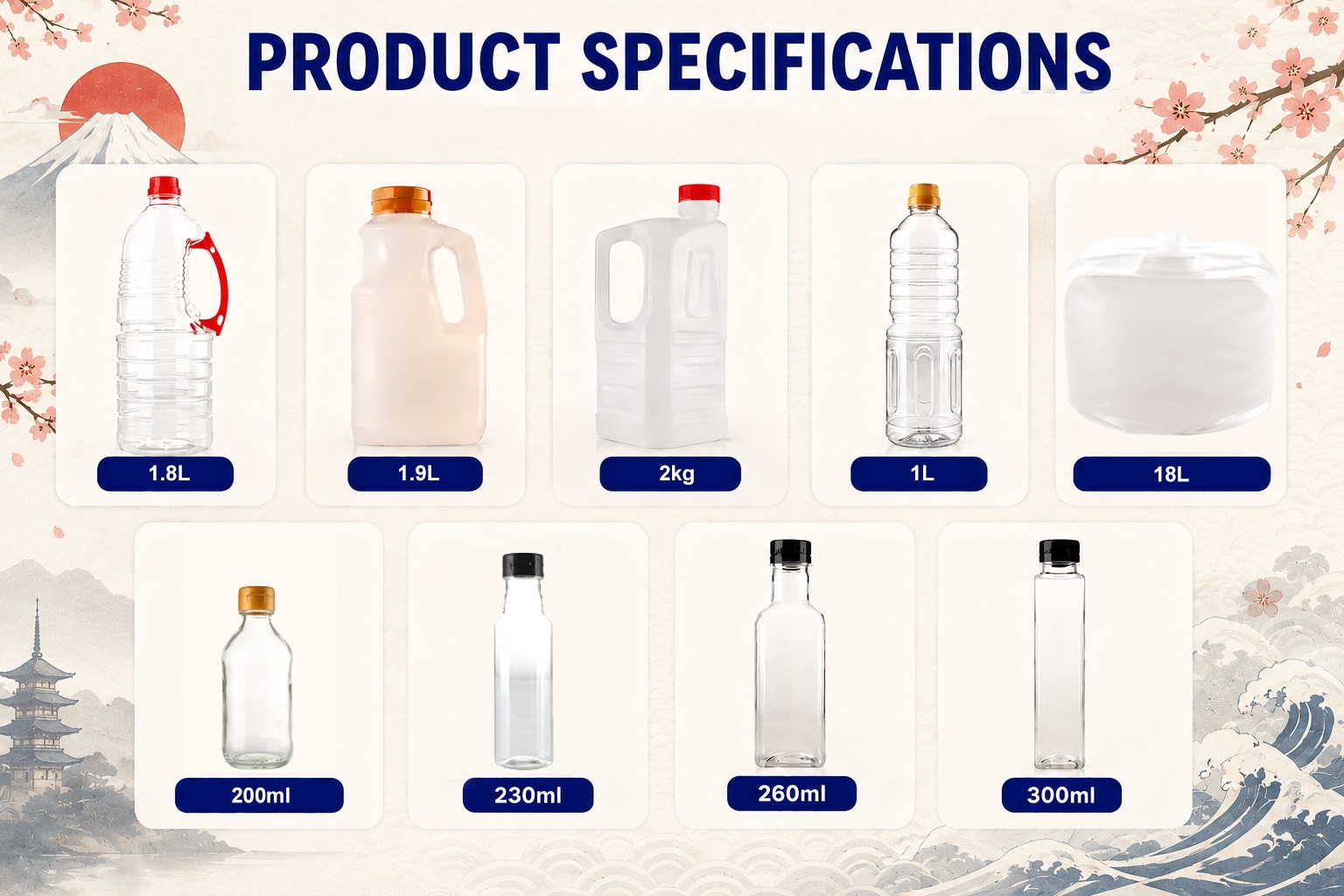
- Available sizes
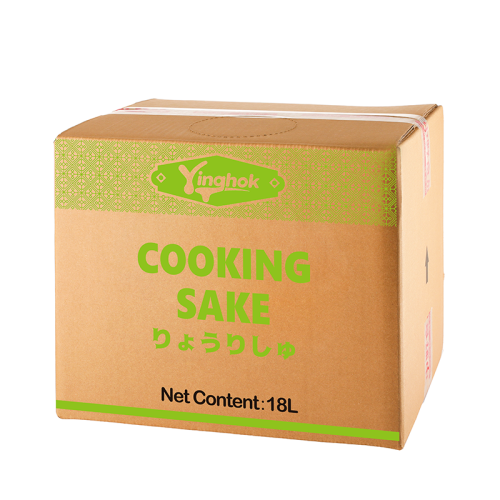
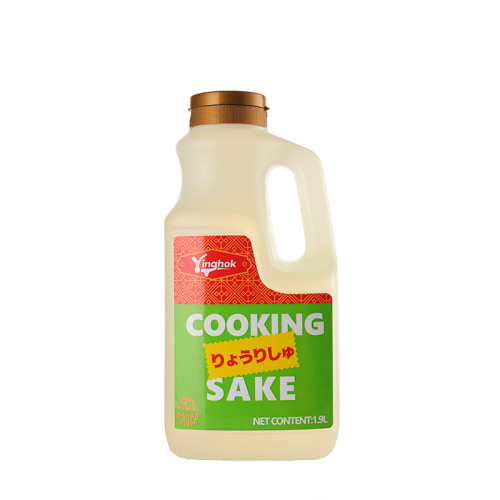
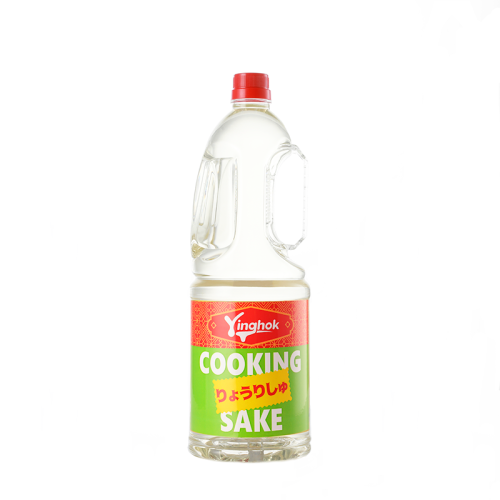
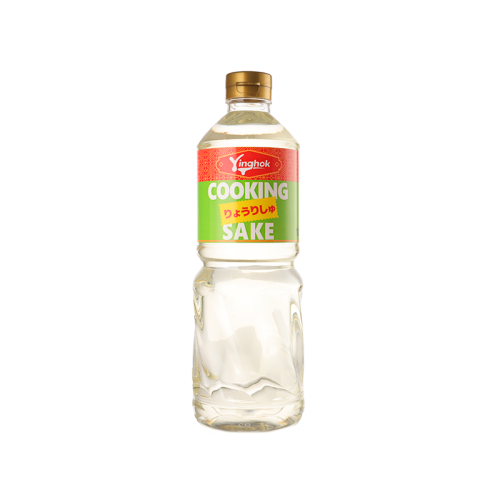
- 180ml,200ml,230ml,260ml,300ml,450ml,1L,1.8L,18L
- Storage conditions
- Store in a cool, dry place away from light.
Review
Description
Japanese Cooking Sake for Foodservice & Food Manufacturing?
Yinghok Cooking Sake, also known as Ryori-shu, is a Japanese-style cooking seasoning for restaurants, foodservice distributors, central kitchens and food manufacturers. With a listed alcohol content of 13.5% vol, it can be evaluated for marinades, simmered dishes, Japanese sauces, soup bases and prepared food production.
Designed for commercial recipe development and ongoing ingredient sourcing, this cooking sake is suitable for businesses looking to incorporate a cooking-sake ingredient into standardized recipes. Multiple listed packaging sizes support discussions for retail, foodservice and bulk purchasing.
What Is Cooking Sake (Ryori-shu)?
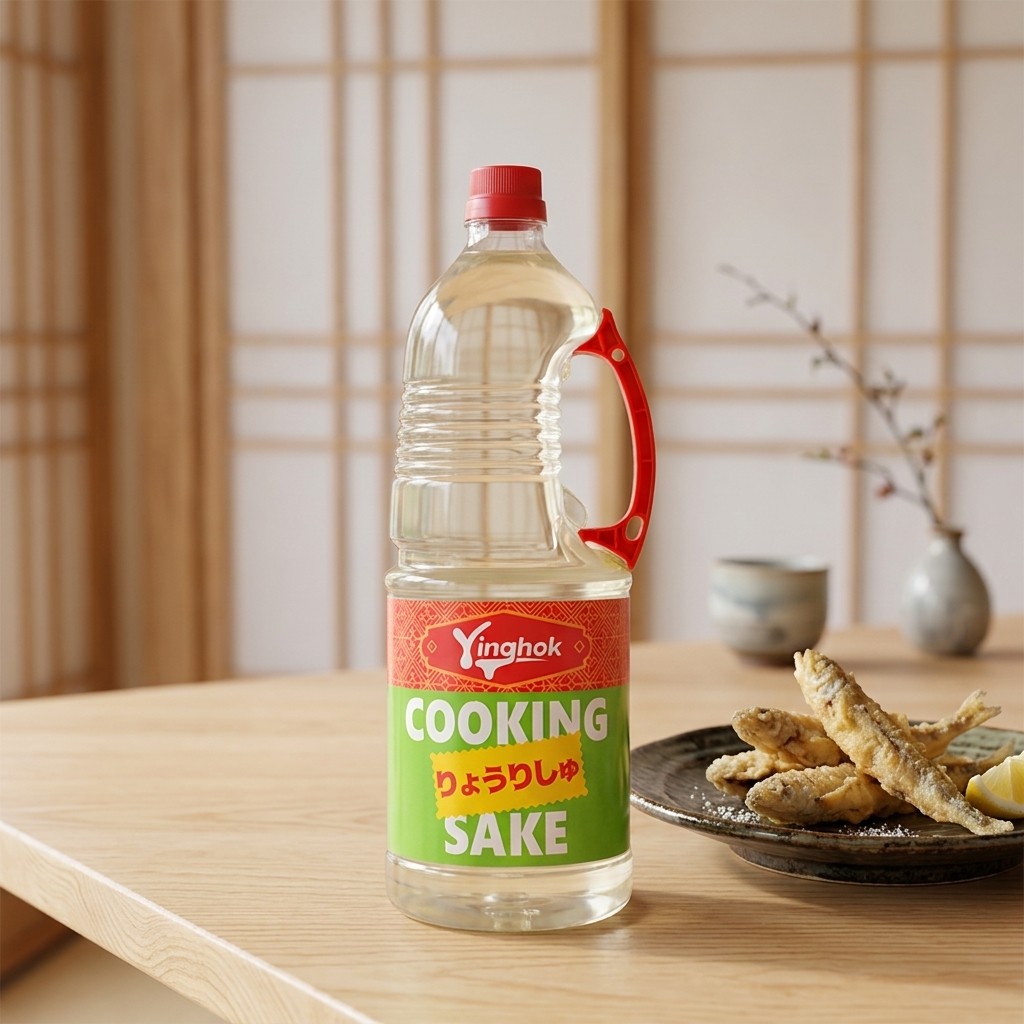
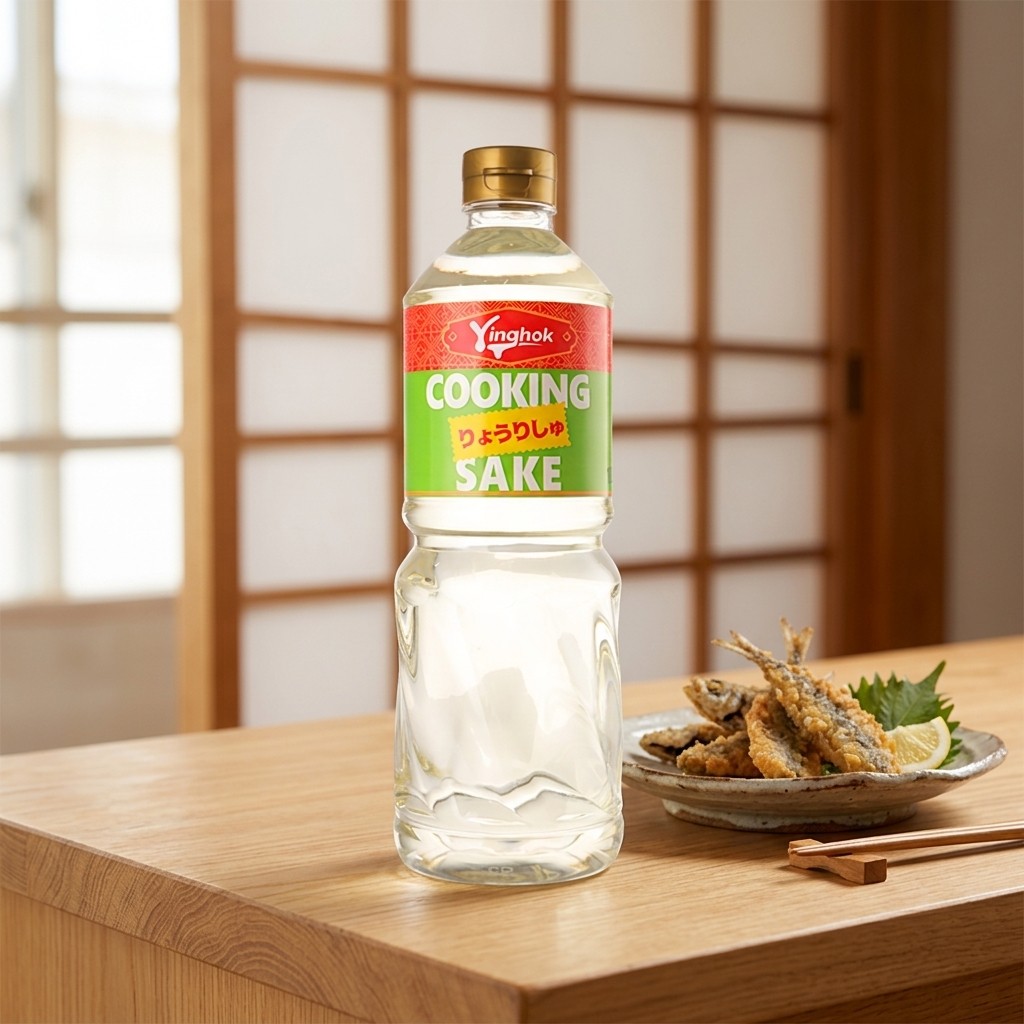
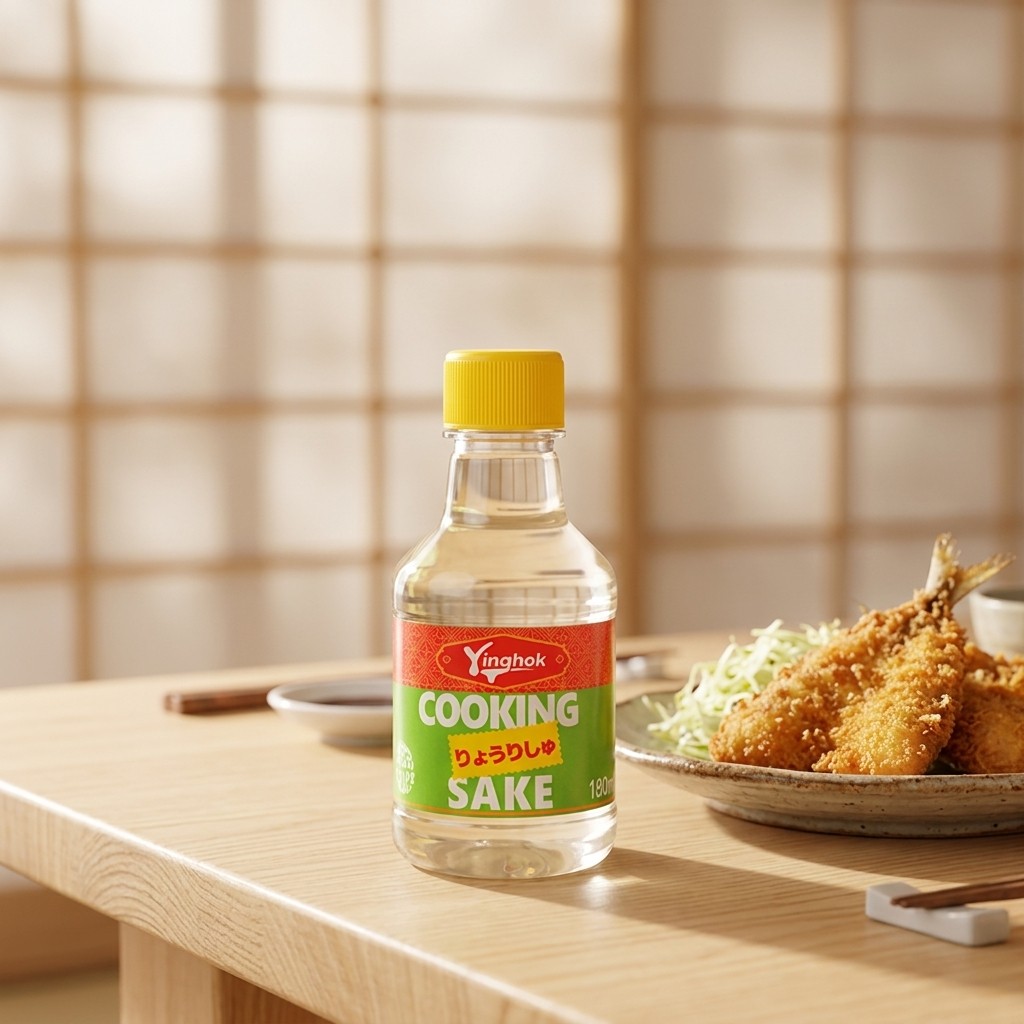
Cooking sake, or Ryori-shu, is a sake-style ingredient used in cooking to contribute aroma and flavor balance. It is commonly used in Japanese-style marinades, simmered dishes, sauces and other savory preparations.
Cooking sake and drinking sake are intended for different uses, and their ingredients and specifications may differ by product. For commercial purchasing, buyers should review the alcohol content, ingredient declaration, salt or seasoning content, and intended application of the specific product.
Cooking Sake Raw Materials and Production Process
Raw Materials: Mainly composed of rice and water. Some products may add salt.
Production Process: Shares the same fermentation process as sake (including koji making, moromi preparation, fermentation, etc.), but the alcohol content, sweetness, and flavor of the finished product are adjusted to better meet cooking needs.
Alcohol Content: Typically 13%–15%, slightly lower than drinking sake .
Sugar Content and Flavor: Some cooking sake retains minimal sugar or adds brewed alcohol to enhance odor removal and aroma. The taste prioritizes functionality over drinking pleasure.
What are the functions of Cooking Sake?
Remove Fishy/Meaty Odors:
Alcohol dissolves odor compounds (e.g., trimethylamine in seafood), ideal for marinating raw meat/fish before cooking.
Enhance Aroma & Flavor:
Fermented amino acids and esters in sake complement soy sauce, miso, or sugar, adding depth to sauces and braises.
How to Use YINGHOK Cooking Sake?
1. Marinating
Method: Mix 1–2 tbsp cooking sake with soy sauce, ginger, and garlic for 15–30 minutes.
Ideal for:
Chicken thighs for teriyaki,Pork belly for shogayaki (ginger pork),Firm fish (e.g., salmon) to reduce fishi
Timing: Add cooking sake at the beginning of braising to let alcohol evaporate.
Classic Recipe Example:
Nikujaga (Japanese stewed meat & potatoes): Sauté beef in oil, add 3 tbsp cooking sake to deglaze the pan.
Add potatoes, onions, soy sauce, and dashi, then simmer until tender.
3. Grilling & Roasting
Application: Brush diluted cooking sake on meat/fish before grilling to form a caramelized crust.
Tip: Mix 1 part cooking sake with 1 part mirin and 1 part soy sauce for a simple yakiniku (Japanese BBQ) glaze.
4. Seafood Dishes
Steaming Clams/Mussels: Pour 1/4 cup cooking sake into the pot with garlic and butter, steam until shells open.
Lightly rinse fresh fish with diluted cooking sake (1:1 with water) to enhance sweetness.
5. Sauce & Soup Base
Miso Soup: Add 1 tsp cooking sake to dashi before mixing with miso paste, reducing the paste’s sharpness.
Teriyaki Sauce: Combine 1/4 cup cooking sake, 1/4 cup soy sauce, 3 tbsp sugar, and simmer until thickened.
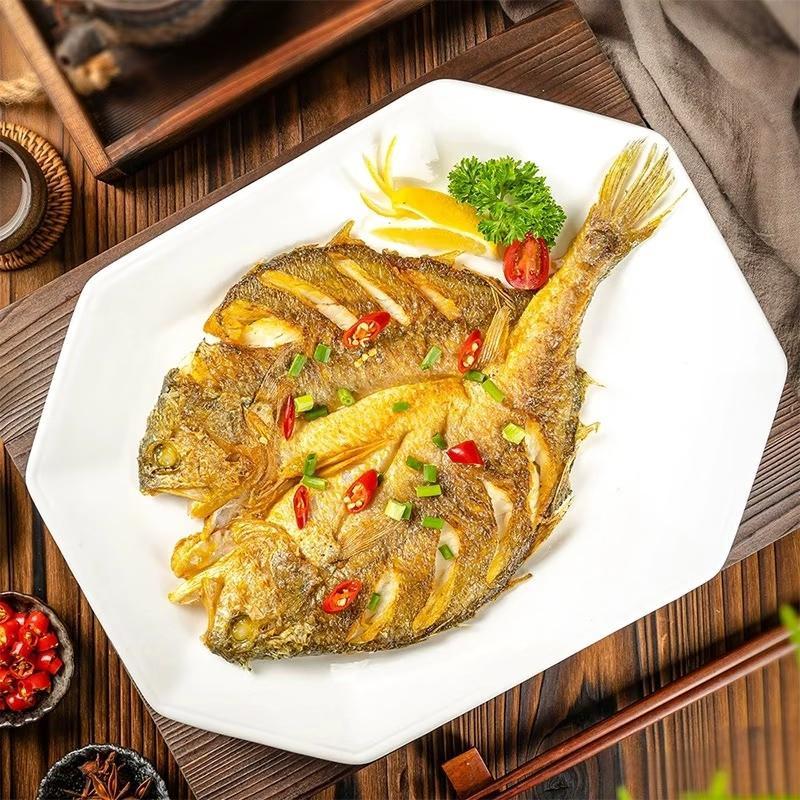
What are the differences between Hon mirin and Cooking Sake ?
ITEM | HON MIRIN | COOKING WINE | ||
| Raw Materials & Brewing Process | Mainly made from glutinous rice, water, rice koji and edible alcohol | Mainly made from rice,rice koji and water. The fermentation process is the same as that of sake, but the physical and chemical indicators are different. | ||
| Taste & Flavor | Sweet, rice & wine aroma | Winey, spicy, aromatic | ||
| Culinary Uses & Scenarios | Japanese, sweet Chinese dishes | Chinese home cooking, meat/seafood | ||
Primary Functions | Sweeten, freshen, tenderize | Deodorize, degrease, enhance aroma | ||
Why Food Manufacturers Use Cooking Sake
Cooking sake plays a critical role in industrial food production by ensuring consistent flavor and odor control across large batches.
Key benefits include:
• It helps to balance the flavors of meat and seafood
• Enhanced umami and flavor depth
• Contributes cooking-sake aroma
• Consistent results in large-scale production
• Easy integration into standardized recipes
It is widely used by food factories, central kitchens and ready-meal manufacturers.
Versatile Packaging Solutions for Retail & Food Service
We provide customized packaging and concentration options tailored for both retail distribution and food service operations.Whether you are building a consumer brand or supplying restaurants, our solutions ensure efficiency, consistency, and scalability.
Cooking Sake Commercial Applications
Our cooking sake is widely used across multiple commercial applications:
• Meat Processing & Marination
• Seafood Preparation & Odor Removal
• Ramen Soup Base Production
• Japanese Sauce Manufacturing
• Ready-to-Eat Meals & Bento
• Frozen Food Production
• Central Kitchen Standardization
• Restaurant & Catering Use
Designed for food factories, distributors, restaurant chains and industrial kitchens.
Cooking Sake FAQs
How long is the shelf life of Cooking Sake?
24 months.
Unopened: Store in a cool, dark place away from direct sunlight.
Opened: Refrigerate after opening and use within 3 months to prevent oxidation (alcohol evaporation weakens deodorizing effects).
Does cooking wine contain alcohol? Does the alcohol evaporate after cooking?
Cooking sake typically contains alcohol. Traditional Japanese cooking sake usually has an alcohol content of 13-14%vol. However, most of the alcohol evaporates during cooking, leaving minimal residue.
Is it suitable for children or pregnant women?
Children and pregnant women are advised to avoid dishes containing alcohol. Risks can be minimized by choosing non-alcoholic alternatives or prolonging cooking time to allow more alcohol to evaporate.
What's The Difference Between Cooking Sake And Drinking Sake?
1) Purpose
Cooking sake: Specifically formulated for culinary use, employed to enhance savory flavor, eliminate fishy/offensive odors, and tenderize ingredients (e.g., grilled chicken skewers, sushi).
Drinking sake: Consumed directly as a beverage, prioritizing aroma, texture, and complexity, best paired with raw fish slices, grilled dishes, etc.
2) Alcohol Content
Cooking sake: Lower alcohol (typically 10%-15%), enabling alcohol to evaporate readily during cooking, reducing interference with dish flavors.
Drinking sake: Higher alcohol (15%-20%), requiring refrigeration or warming to emphasize its fragrance and depth.
3) Ingredients
Cooking sake: May include added salt, sugar, or seasonings (e.g., sweet rice wine) to amplify flavor.
Drinking sake: Generally undergoes pure rice fermentation without additives, highlighting natural rice characteristics (e.g., premium sake, pure rice sake).
4) Flavor Profile
Cooking sake: Salty-savory with mild sweetness, designed to blend harmoniously into dishes.
Drinking sake: Flavors range from crisp and fruity (ginjo grade) to rich and rice-forward (premium pure rice sake), intended for sipping and enjoyment.
5) Storage
Cooking sake: Can be stored at room temperature post-opening, but use within 1–2 months to prevent flavor degradation.
Drinking sake: Store refrigerated in the dark; consume within 1–2 months of opening to avoid oxidation.
Request a Cooking Sake Sample or Wholesale Quote
Looking for a cooking sake supplier for restaurants, Japanese sauce production, central kitchens or food manufacturing? Contact Yinghok to discuss product specifications, sample evaluation, packaging options and bulk supply requirements.