Foodservice Plum Wine Manufacturer | Bulk Umeshu for Restaurants, Bars & Hospitality
- Model
- KS-MJ-02
Item specifics
- Alcohol content
- 10% or 17%
- Shelf life
- 3 years
- Available sizes
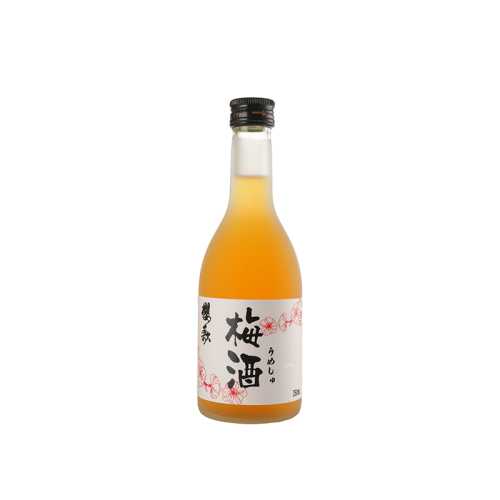
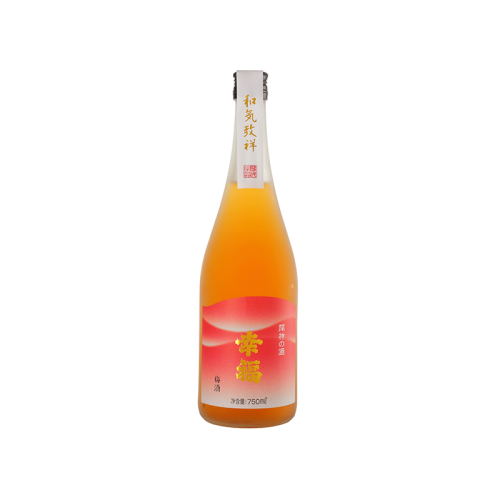
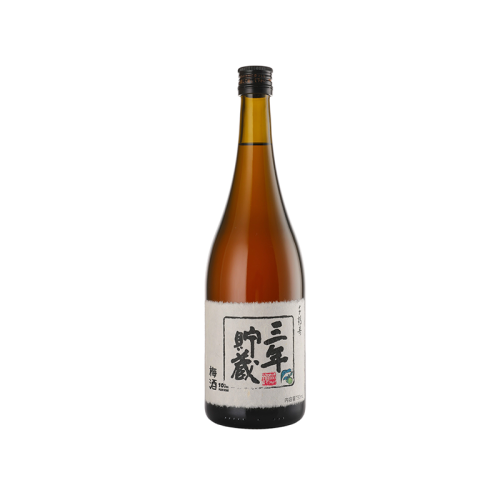
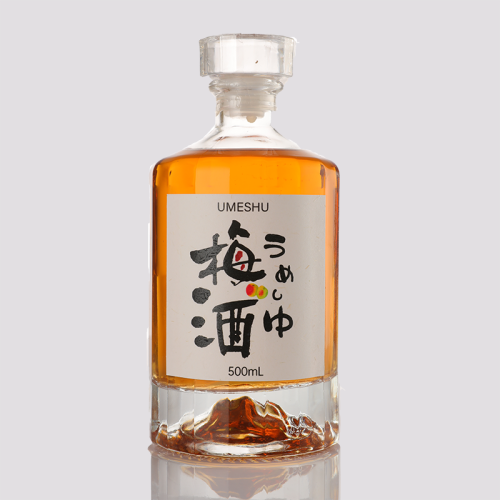
- 100ml,180ml,250ml,350ml,500ml,720ml,730ml,750ml
- Storage conditions
- Store in a cool, dry place away from light.
Review
Description
Bulk Plum Wine Supplier for Restaurants, Bars & Hospitality
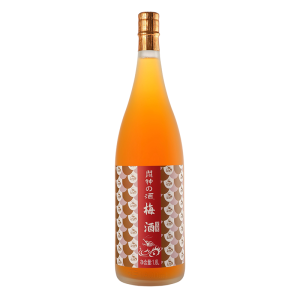
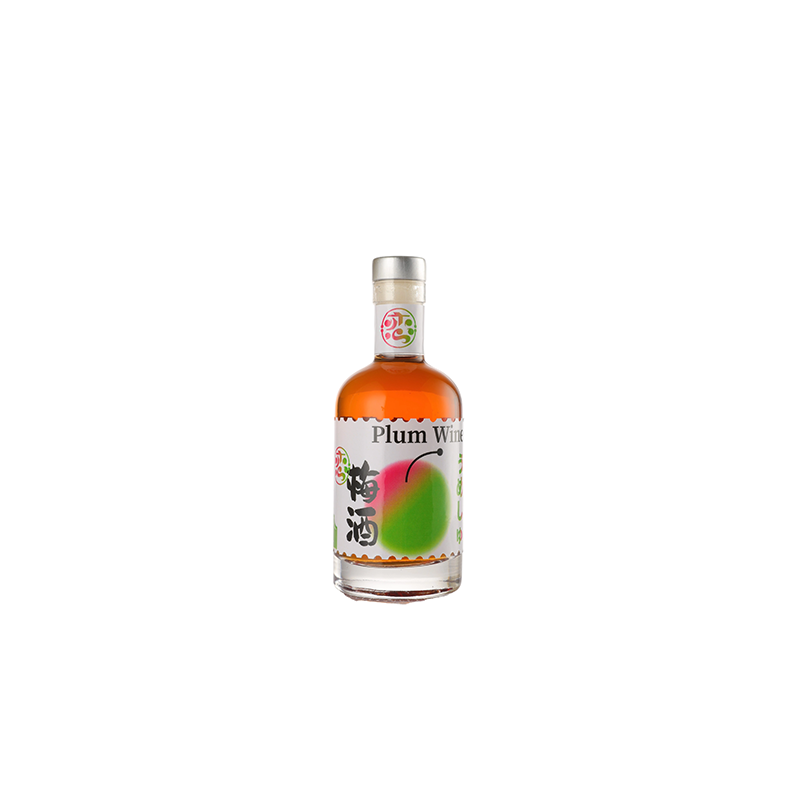
Yinghok supplies plum wine for foodservice businesses, beverage distributors and hospitality buyers seeking a versatile fruit wine for commercial beverage programs. With a sweet-and-sour plum profile, this product can be served chilled, poured over ice, mixed with soda water or used as a cocktail ingredient.
For restaurants, izakayas, bars, hotels and beverage wholesalers, we provide a B2B sourcing option with multiple bottle sizes and opportunities to discuss private-label and OEM requirements.
Umeshu Brief Introduction
Umeshu, with its unique sweet-sour aroma and mellow taste, has captured the hearts of countless people. It is not only a perfect beverage for cooling off in the hot summer, but also contains a long history and cultural heritage. Tracing the history of umeshu is like flipping through an ancient and mysterious wine recipe, from which we can catch a glimpse of its evolution from a royal court drink to a modern fine wine, as well as the profound cultural connotations behind it.
Umeshu originated in ancient China. Although the exact birth year and inventor cannot be precisely determined, relevant records can be traced back to the Han Dynasty. In the Tang Dynasty, with the prosperity of drinking culture, the craftsmanship of umeshu was developed, making it a royal court beverage favored by the imperial family. In the Song Dynasty, the production technique of umeshu became more mature, and different types of umeshu emerged. Later, during the Nara period (710-794), Japan introduced the brewing technology of umeshu from China and developed umeshu with Japanese characteristics according to local climatic conditions and taste preferences.
How Does YINGHOK UMESHU Taste?
It features a refreshing taste with moderate sweet and sour notes, subtly blending with the light base wine to create a fresh style. It is often served as an after-dinner drink or used to mix cocktails. For example, in Japanese izakayas, umeshu is commonly enjoyed as a post-meal sweet wine, or used as a base to blend with other liqueurs and juices for cocktail creation.
What's the Ingredient of Umeshu?
Ideal For
✔ Japanese Restaurants
✔ Izakaya Chains
✔ Bars
✔ Hotels
✔ Resorts
✔ Catering Services
✔ Beverage Distributors
✔ Duty Free Channels
Water, sake (water, rice, rice koji),green plum juice, white sugar, edible alcohol.
Plum Wine for Commercial Beverage Programs
A versatile plum wine can help foodservice operators expand their beverage menus without limiting use to a single serving style.
• Restaurants and Izakayas: Serve chilled or over ice as part of a beverage menu
• Bars and Cocktail Programs: Use as a plum-flavored cocktail ingredient or mix with soda water
• Hotels and Resorts: Consider for restaurant, lounge and hospitality beverage service
• Catering Businesses: Evaluate for suitable event and banquet beverage menus
• Beverage Distributors: Source bottled plum wine for commercial customers and regional distribution
Why Choose Our Foodservice Plum Wine?
Our plum wine is developed specifically for commercial beverage operations.
Benefits include:
• Sweet-and-Sour Plum Flavor
• Suitable for cocktails and mixed drinks
• Stable supply for hospitality businesses
• Available in bulk wholesale orders
• Cost-effective for foodservice use
• Consistent quality across batches
Ideal for restaurants, izakayas, bars, hotels and beverage distributors.
Differences Between Umeshu and Sake
Ingredients & Production:
Sake: Made from polished rice, rice koji and water via fermentation and pressing → fermented alcohol.
Plum Sake: Blends sake with plum juice and sugar → blended beverage, no secondary fermentation.
Taste & Flavor:
Sake: Crisp, rice-forward with floral/fruity notes, low sweetness, 13~15% vol
Plum Sake: Sweet-tart, intense plum aroma, higher sugar content, 10~17% vol.
Usage:
Sake: Paired with sushi/sashimi or served neat/warm.
Plum Sake: Enjoyed as a dessert wine, mixed with ice/soda/juice for cocktails.
Summary: Sake is a fermented rice wine, while Plum Sake is a sake-based blend emphasizing plum sweetness. They differ in process, taste, and serving styles.
Umeshu FAQs
How long is the shelf life of Umeshu ?
3 Years,refrigerate after opening and consume quickly.
What is the alcohol content of Umeshu?
It is usually 10-17 %vol, and the alcohol content can be adjusted according to customer needs.
How to Store Plum Wine?
Plum Wine must be stored in a cool, dry place away from direct sunlight. If exposed to direct sunlight for over two hours, the liquid may turn yellow and spoil. Even when refrigerated, its aroma and flavor will gradually diminish over time—for the best taste, consume it as soon as possible after opening.
How To Enjoy Plum Wine?
Plum wine is incredibly versatile—enjoy it straight on the rocks, mix it with soda for a refreshing highball, or use it to add a fruity depth to your favorite cocktails.
Is the quality of bulk wholesale orders consistent with the free sample?
Absolutely. We strictly follow the same production standards, raw material specifications and quality control processes for samples and bulk orders. If you find quality discrepancies, contact our after-sales team for a solution within 7 business days of receipt.
Discuss Your Plum Wine Sourcing Requirements
Looking for a plum wine supplier for your restaurant group, bar, hospitality business or beverage distribution portfolio? Contact Yinghok to discuss product specifications, bottle sizes, wholesale quantities and potential private-label requirements.
For a faster assessment, please include your target market, preferred alcohol content, bottle size and estimated order quantity in your inquiry.