How to Store and Reuse Ramen Broth for Optimal Flavor
- Share
- Issue Time
- Nov 7,2025
Summary
Discover expert tips on how to store and reuse ramen broth to maintain its rich, authentic flavor. Yinghok offers comprehensive secrets to help you keep your broth fresh.


Yinghok (Zhongye Foods (Dalian) Co., Ltd.), a BRCGS-certified factory in Dalian, China established in 2018, understands that ramen broth is the soul of every bowl of ramen—rich, flavorful, and layered. Proper storage and reuse of ramen broth is crucial to maintaining its rich flavor and ensuring every bowl is as delicious as the first. This guide provides a comprehensive, step-by-step approach to storing, reusing, and enhancing your ramen broth, ensuring you maximize its potential while maintaining food safety and flavor integrity.
Understanding the Importance of Proper Ramen Broth Storage
Quick Reference: Storage, Freezing & Reheating Thresholds
The three numbers below are the storage and reheating thresholds that matter most for safety and flavor. Apply them before you cool, freeze or reheat any batch of broth.
| Stage | Temperature Threshold | Time Limit / Action |
|---|---|---|
| Refrigeration | 41°F (5°C) or below, in a sealed container | 3–4 days after cooking |
| Freezing | 0°F (−18°C), in portioned freezer-safe containers | Up to 3 months |
| Reheating | 165°F (74°C), gentle simmer | Stir; do not hard-boil |
Cool cooked broth within 2 hours of cooking. For foodservice TCS foods, the FDA Food Code two-stage guideline is 135°F (57°C) to 70°F (21°C) within 2 hours, then to 41°F (5°C) or below within a total of 6 hours.
Best Way to Store Ramen Soup Base
1. Quickly and Safely Cool Broth
2. Use Sealed Food-Grade Containers
3. Can You Freeze Ramen Broth?
4. Avoid Repeated Freezing and Thawing
How to Reheat Ramen Broth to Retain Maximum Flavor
1. Gentle Reheating Techniques
2. Skim Off Impurities and Fat
3. Add Fresh Spices and Seasonings
How to Enhance Reused Ramen Broth for a Richer, More Complex Flavor
1. Add Umami Enhancers
2. Balance Flavors
3. Add Fresh Ingredients for Greater Layers
How to Cleverly Reuse Ramen Broth?
1. Use it as a broth base for other soups
2. Cook noodles directly in the broth
3. Make a Ramen-Style Stew
4. Freeze into ice cubes for a quick flavor boost
Safety Precautions for Reusing Ramen Broth
Conclusion: Looking for a More Consistent Ramen Soup Solution?
Frequently Asked Questions
How long does ramen broth last in the fridge?
3 to 4 days when cooled within 2 hours of cooking and stored in a sealed container at 41F (5C) or below.
Can you freeze ramen broth?
Yes. Freeze it in portioned, freezer-safe containers or ice cube trays; it keeps up to 3 months at 0F (-18C).
Can I freeze tonkotsu broth?
Yes, tonkotsu broth freezes well because its fat and collagen content stays stable. Cool it, skim the surface, then freeze in portions.
How do I reheat ramen broth without splitting it?
Thaw overnight in the fridge, then heat gently to a simmer (about 165F / 74C) and stir rather than boiling hard.
How many times can ramen broth be reused?
Once for a second bowl. Reusing it more than twice concentrates salt and reduces flavour, so keep it to one reheat cycle.
Does ramen broth go bad if left out overnight?
Yes. Broth left above 41F for more than 2 hours should be discarded, because the risk of bacterial growth is high.
When a Formulated Ramen Soup Base Is the Better Option
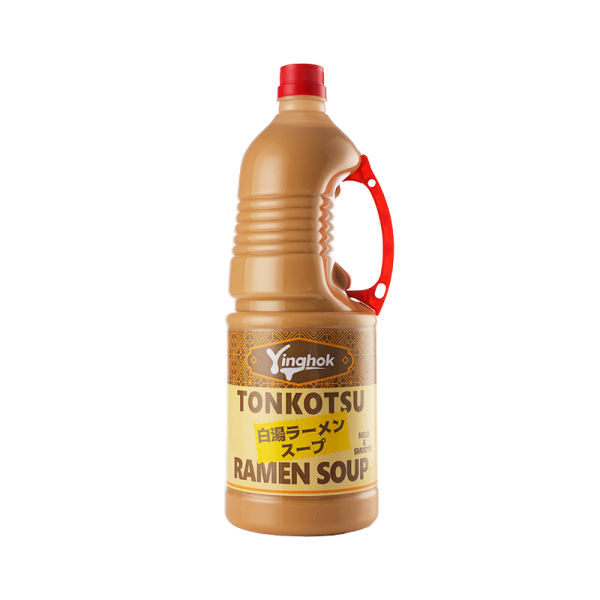
Cooling, portioning and reheating homemade broth takes time and introduces batch-to-batch variation. Foodservice groups and retail brands often switch to a formulated base to hold flavor, salt level and yield consistent across sites. Yinghok manufactures custom ramen soup bases for OEM/ODM and wholesale supply, including light tonkotsu ramen soup, dark tonkotsu for catering and plant-based tonkotsu base.
Next steps for buyers
- Request a quote for bulk or private label ramen soup base.
- Request a free sample to check flavor concentration and dilution ratio in your own kitchen.
- Ask about MOQ & lead time for wholesale and distributor orders.
The storage and reheating guidance above remains applicable to prepared broth; commercial specifications and shelf-life data are confirmed per formulation.